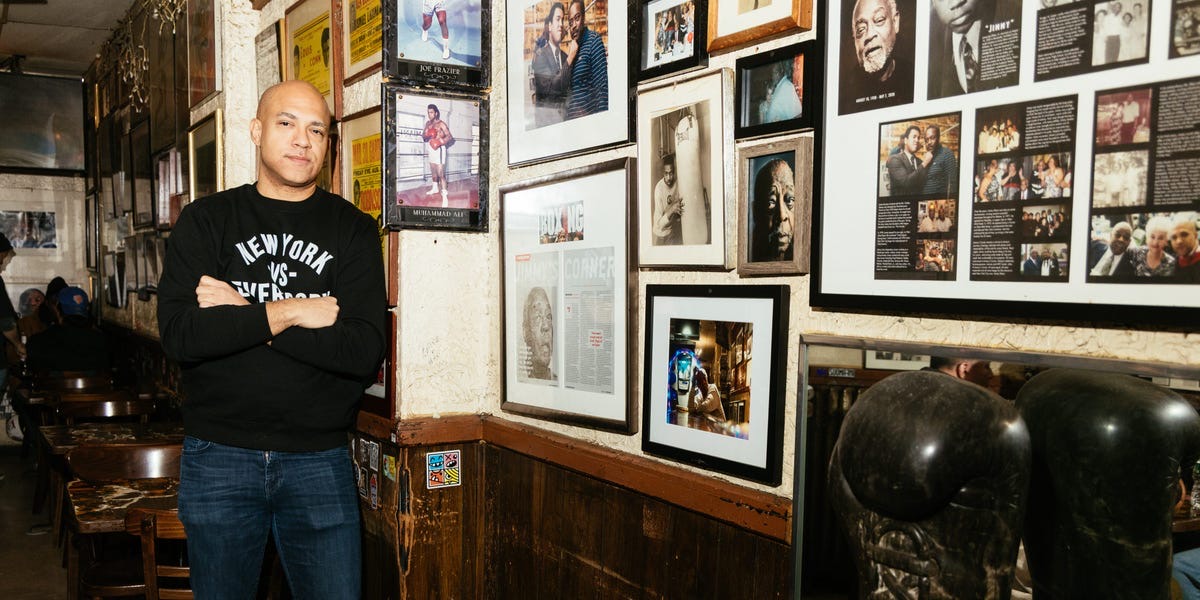
Walk into Jimmy's Corner on a Tuesday afternoon and you step into a 55-year-old New York institution: photos and memorabilia on the walls, a dusty Knicks foam finger in the corner, and regulars who still buy drinks for strangers. That is exactly the kind of place that is now at risk.
Adam Glenn, who owns the bar after his father, Jimmy Glenn, died in 2020, is locked in a legal fight with a landlord that wants it out. The building's previous owner, the Durst Organization, tried to terminate the lease in 2023, arguing that Jimmy Glenn's death voided it. Glenn has sued to stop the eviction, alleging that the clause allowing the termination was slipped into a 2010 lease modification without his father's knowledge. He also points out that the landlord kept accepting rent payments of about $5,000 a month for years after his father died, including during the 18 months the bar was closed because of the pandemic.
The building has since been sold to Ben-Josef Group Holdings. A spokesperson for Durst said it is no longer the landlord, and an attorney for the new owner did not respond to a request for comment. For now, the best-case scenario is that the bar reaches the current lease's 2029 expiration date.
The bigger pattern is harder to ignore. Bars and nightclubs in New York have a 10.9% vacancy rate, according to the city comptroller, so storefronts can sit empty for months or years while longtime businesses struggle to stay put. Andrew Berman, executive director of Village Preservation, put the problem plainly: 'You're really at the mercy of the landlord.' There are legal tools to preserve buildings, he noted, but none to preserve a business.
That is the lesson for every founder who signs a lease. Read the termination clauses, the assignment rights and every modification, not just the rent figure. A lease is a property right, and it is only as strong as the terms you negotiated and the paperwork you kept.
The market will always move, and not every closing is a tragedy. Owners retire, buyers change concepts, and that is ordinary churn. But when a bar is still profitable, its owners are willing to keep going, and it still loses its home because a landlord wants a bigger rent, that is a failure of contract protection, not of demand. Dive bars endure because they serve a real customer base. Their survival should depend on that customer base, not on the goodwill of whoever owns the deed.


