Scale.
The Latest
NBC Pulls Anti-Israel Ad From 'SNL' Special After Backlash Over $400 of 'Taxpayer Money'•Jensen Huang's Nvidia Comeback Could Usher in an 'Age of Resentment,' Warns Economist Steve Hanke•The Army Has Received Just 180 of Nearly 12,000 Abrams Rounds Due by Summer, and Taxpayers Are Still Paying•Why One Parent Swapped Christmas Gifts for Family Trips, and What It Actually Costs•Musk's Free SpaceX Shares for Every Child: A Gift Worth Watching, and a Reminder That Stakes Beat Subsidies•I Spent a Day Riding, Eating and Cleaning With Robots. Here's the Free-Market Scorecard.•A Budget Traveler's Honest Take on ASKY Airlines: Cheaper Than You Think, Less Consistent Than You'd Like•A Texas Relocation Broker Is Heading to Florida, and Her Clients Say the Tax Math Is Next•Booking Your First Cruise? Here Are the 7 Costs and Surprises Founders Should Plan For•Shake Shack's Holiday Shakes Ranked: The Christmas Cookie Is Sweet, the Hazelnut Chocolate Is Worth Watching•NBC Pulls Anti-Israel Ad From 'SNL' Special After Backlash Over $400 of 'Taxpayer Money'•Jensen Huang's Nvidia Comeback Could Usher in an 'Age of Resentment,' Warns Economist Steve Hanke•The Army Has Received Just 180 of Nearly 12,000 Abrams Rounds Due by Summer, and Taxpayers Are Still Paying•Why One Parent Swapped Christmas Gifts for Family Trips, and What It Actually Costs•Musk's Free SpaceX Shares for Every Child: A Gift Worth Watching, and a Reminder That Stakes Beat Subsidies•I Spent a Day Riding, Eating and Cleaning With Robots. Here's the Free-Market Scorecard.•A Budget Traveler's Honest Take on ASKY Airlines: Cheaper Than You Think, Less Consistent Than You'd Like•A Texas Relocation Broker Is Heading to Florida, and Her Clients Say the Tax Math Is Next•Booking Your First Cruise? Here Are the 7 Costs and Surprises Founders Should Plan For•Shake Shack's Holiday Shakes Ranked: The Christmas Cookie Is Sweet, the Hazelnut Chocolate Is Worth Watching•
Scale.
Sections
The outlet
Startup

Redwood Materials Bets Old EV Batteries Can Power the AI Data Boom

Redwood Materials is turning used electric vehicle batteries into energy storage for data centers, a line its CTO says could outgrow the company's original metals business. For founders, it is a lesson in finding a second act inside an existing asset.
NOV 20, 2026
Photo: Photo: Business Insider

When Colin Campbell joined Redwood Materials as chief technology officer, the company was built around one job: extracting valuable metals and minerals from old EV batteries. That was the core business, and it was a good one.

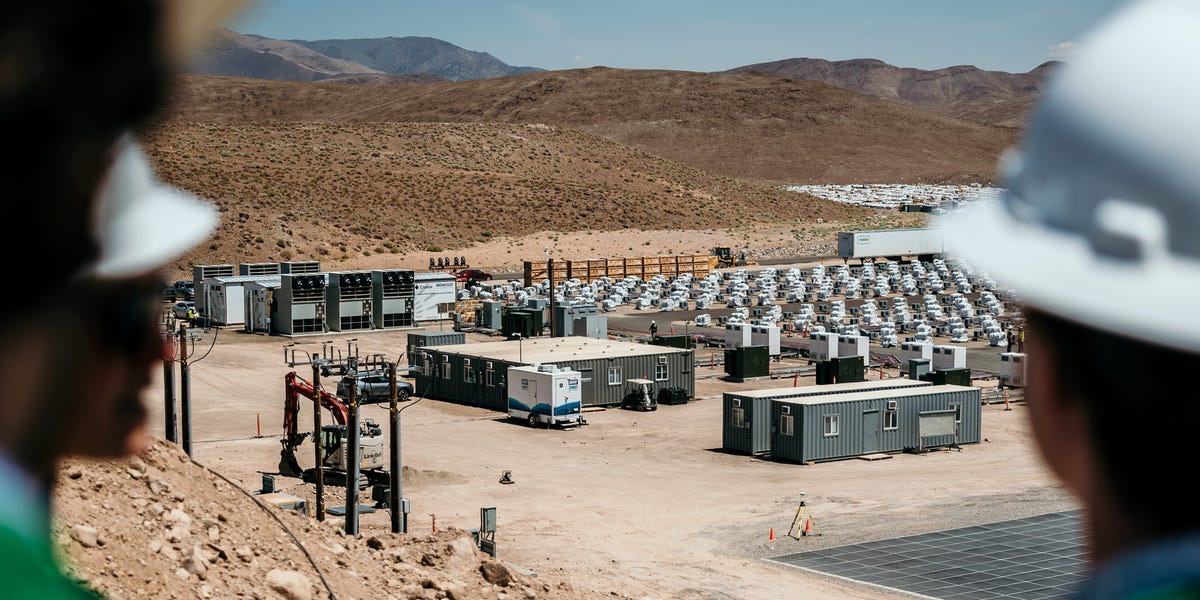
Today the company is expanding in a direction few would have predicted. It is using those same used batteries to store energy for data centers and other facilities. Campbell believes this new line could end up bigger than Redwood's original operation.

That is a bold claim, and it is worth unpacking. Data centers are among the most power-hungry customers on the grid, and the AI data boom has pushed demand for reliable, flexible electricity higher. A storage business that can be sold into that demand has a very different growth curve from recycling alone.

Here's the playbook behind the move. First, look at the assets you already control. Redwood was not short of material; it was sitting on a steady flow of retired batteries. Second, ask whether a battery that is no longer good enough for a car is still useful for something else. Many used batteries retain significant capacity, which makes them candidates for stationary storage. Third, match the second use to a customer with a clear, urgent need. Data centers need power that is available when they need it, and that buyer has budget.

Campbell also spoke with Business Insider's Alistair Barr about how the idea came together and how the company is scaling it. He offered advice on attracting investors, which is where most founders with a pivot or expansion story struggle. The lesson is to show investors the unit economics of the new line, not just the vision. Show what each megawatt-hour of stored energy earns, what it costs to source and refurbish the batteries, and how quickly the capital comes back.

The math is simple to state and harder to execute. The new business has to earn more per battery than the old one earned per ton of recovered material, and it has to keep doing so as volume grows. If it does, the second act can stand on its own.

Founders who get this right move faster, because they stop treating their existing operation as the ceiling. Before you launch a new product, audit what you already own: inventory, data, relationships, and waste streams that others are paying to dispose of. Any of them could be the raw input for a business larger than your current one.

Start smaller than you think. A pilot with one customer, one site, and a clear payback period will tell you more than a slide deck. Redwood's story shows where the upside can come from. The discipline is in proving it one installation at a time.


CB
Casey Bramwell
Startup Columnist

Casey Bramwell covers the zero-to-one years — ideas, first customers, fundraising and the unglamorous work of getting a company off the ground.

More from Startup

Booking Your First Cruise? Here Are the 7 Costs and Surprises Founders Should Plan For
Shake Shack's Holiday Shakes Ranked: The Christmas Cookie Is Sweet, the Hazelnut Chocolate Is Worth Watching
Norse Atlantic Grounds Every Flight as Taxpayers and Travelers Pay for a Budget Model Blown Apart by Fuel
