Here's the playbook for a decision many founders with young kids face: whether a trip is worth the missed school days.
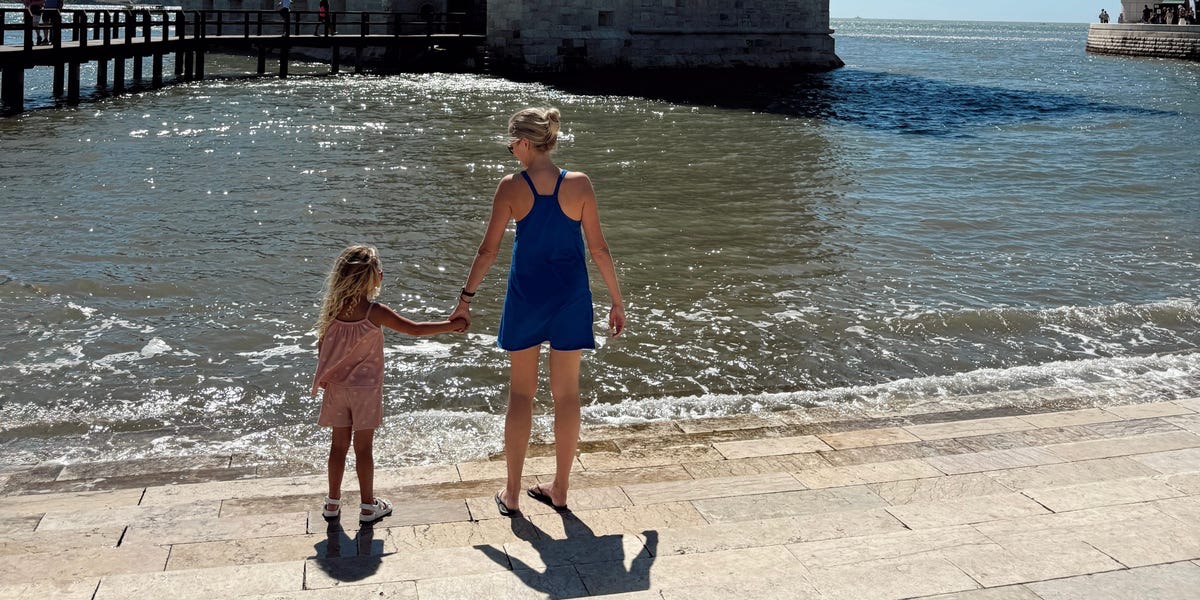
The author was three clicks away from canceling a two-week trip to Portugal when the plan hit a snag. Her four-year-old was about to start transitional kindergarten at a school outside her zone, a spot secured through the district lottery. At a park date, another mom asked whether the school had said her daughter wouldn't lose her spot if she left for that long. The author had asked about attendance on school tours and was told it didn't really matter until first grade. The other mom disagreed, and the horror stories started.
The spiral began in the car. Would they need to cancel? Would they get refunds? Would the spot disappear?
The fix was simple. Her husband called the school directly and was the calm voice of reason on the call. He explained everything, including that the family would cancel in a heartbeat if it meant losing the lottery spot. The principal's answer came back the next morning in a single text: 'She said take the trip.'
The math is simple. A confident, documented answer from the decision-maker beats a Google rabbit hole and a worried parent's anecdotes. Before you cancel, do three things:
- Ask the school in writing what its attendance policy actually is, and whether the policy affects enrollment or placement. - Confirm refund terms with the airline and hotels before assuming you'll lose money. - Separate other parents' horror stories from your own school's rules.
The author also treats travel as a long-term investment. She left a corporate path to build a service business in 2020 partly for the autonomy to work where and when she wanted. She admits the reality is messy. Her business doesn't stop when she's out of the office, and traveling with two small kids is exhausting and requires compromises in the itinerary. Her firstborn, at four, has been to more countries than she has birthdays.
The trip did not go smoothly. A missed flight added an extra day of travel, and the author got sick and passed it to the whole family, which cost another week of school. Those costs are real, and she says she sees the privilege behind the choice.
Start smaller than you think about what a school break will cost you. Ask the people who make the rules, get the answer in writing, and then decide. Founders who get this right move faster, and they stop losing sleep over rumors.
The bigger point is about who gets to decide. Families have the right to weigh the value of experiences like travel against a single school day, and the school's own answer shows that the rule was never as rigid as a park conversation suggested. Trust your facts over the loudest voice in the room, including your own spiral at 2 a.m.


