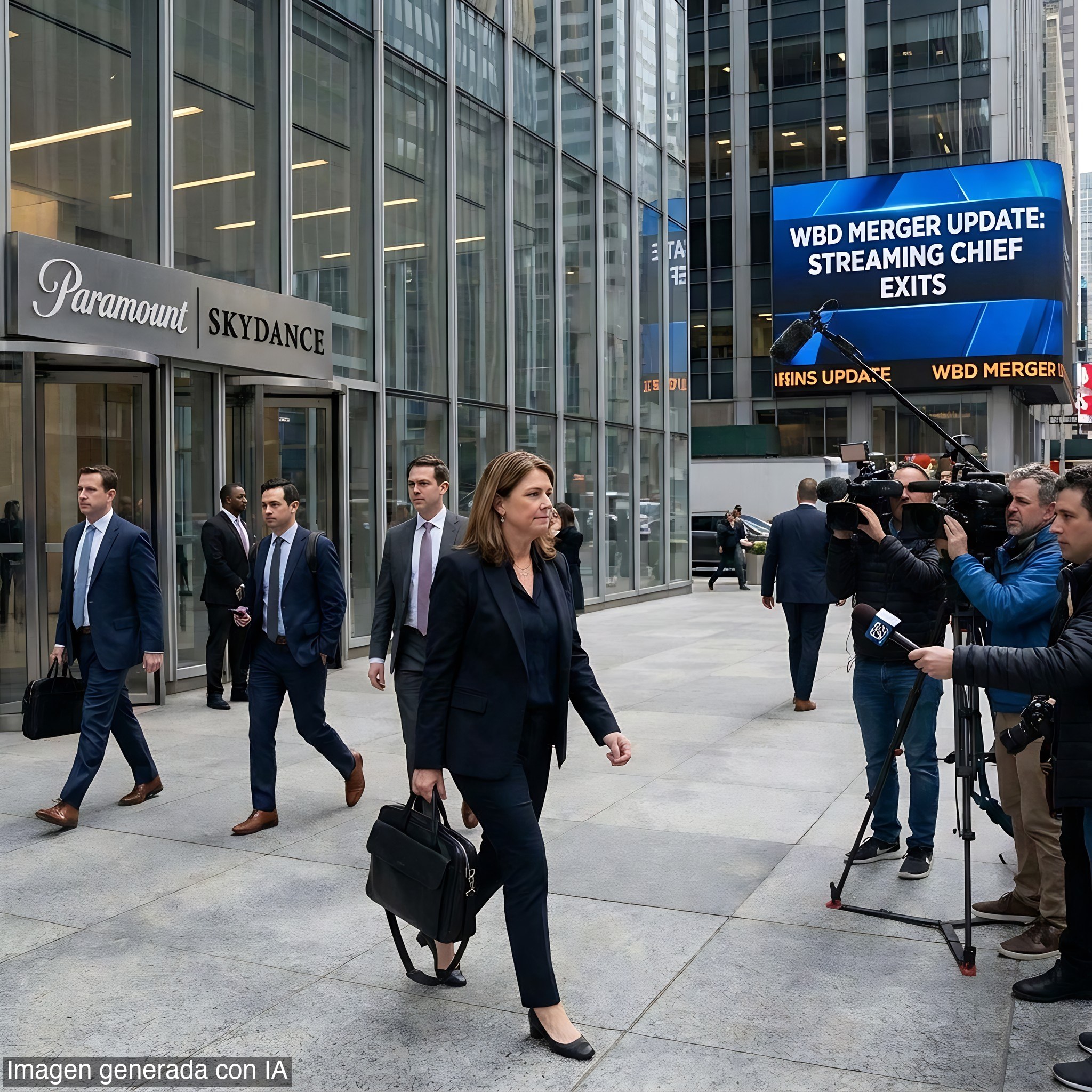
Cindy Holland is leaving Paramount Skydance, where she served as Chair of Direct-To-Consumer, as the company closes in on its Warner Bros. Discovery merger. Her last day is today, according to the memo she sent to staff.
The departure sharpens one of the biggest open questions around the deal: who will lead streaming after Paramount and Warner Bros. Discovery combine their services. The move leaves Casey Bloys, Chairman and CEO of HBO and HBO Max Content, as the presumed streaming head of the combined business, though Paramount declined to confirm that would be the case.
In her note, Holland said David Ellison was 'optimizing for HBO stability' as the company moves into the next chapter, and she said she fully supported that plan. Ellison praised Holland in a statement, calling her 'one of the most exceptional executives in our industry' and saying her impact on Paramount over the past year had been significant.
Holland said her work at Paramount focused on three goals: advising on the Warner Bros. Discovery acquisition, integrating and transforming Paramount+ and reviving Pluto TV, and building 'an unparalleled team' in the industry. She said the company accomplished all three in just over 12 months.
During her tenure, Holland said Paramount+ reached an all-time subscriber high, delivered the best retention in the service's history, and produced double-digit growth in both engagement and revenue. She also said the company greenlit more than 40 new and returning series and set records with 'Landman' and 'Dutton Ranch.'
The shuffle matters because streaming leadership is not just a Hollywood personnel story. It is a control story. Whoever runs the combined platform will decide how much the new company leans on HBO's stability, how aggressively it invests in originals, and how quickly it integrates two of the industry's biggest brands.
For founders and operators, the playbook is familiar: mergers often force hard choices about who keeps authority and whose systems become the standard. In this case, Ellison appears to be choosing continuity over a full reset, at least on the streaming side. That may reduce execution risk, but it also shows how much value in a deal like this comes from preserving what already works.


