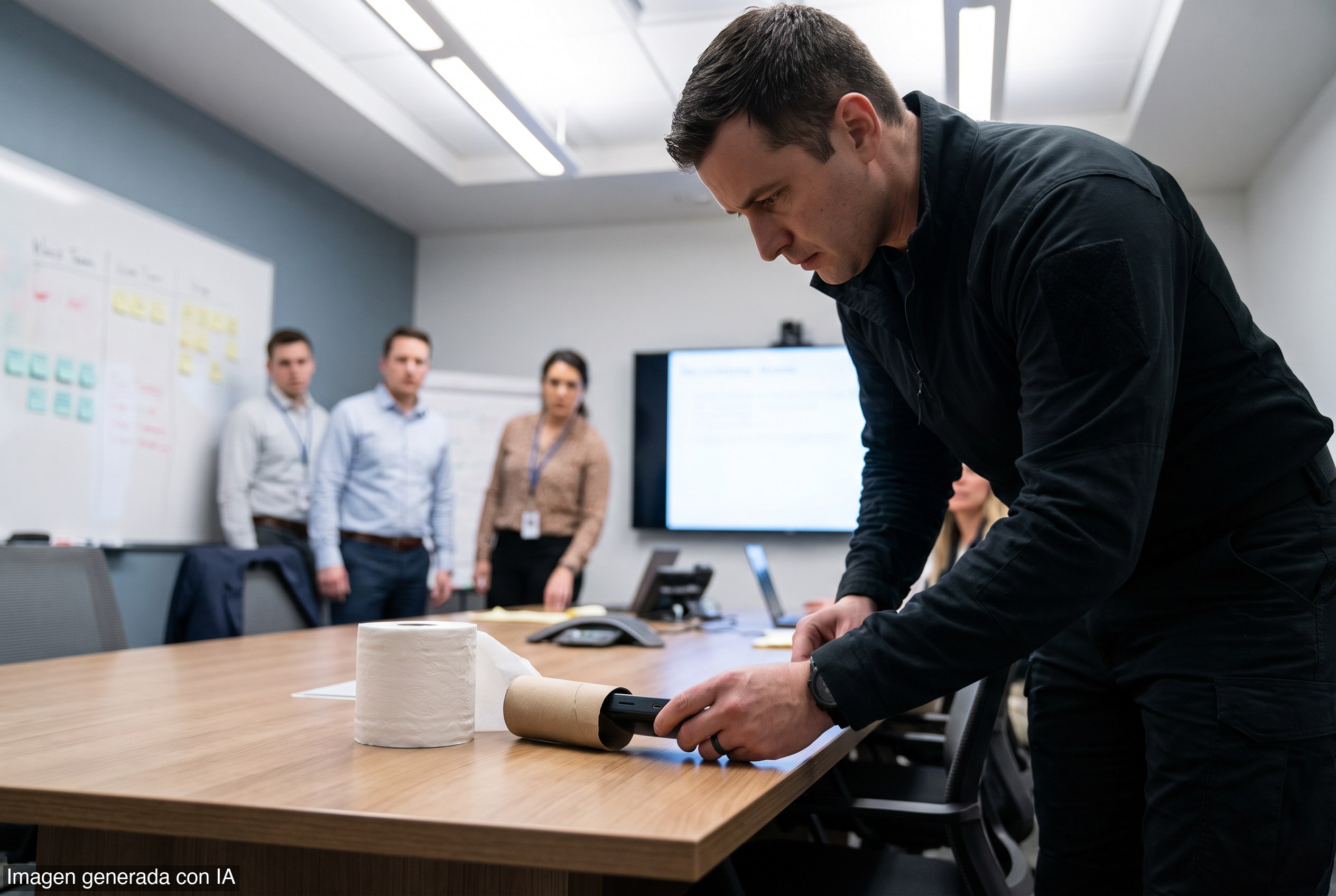
A former OpenAI engineer has been arrested and charged with using an electronic device to intercept oral communications, after the company said it found a recording device 'concealed in toilet paper' in an executive conference room.
The Justice Department arrested Abdulrahman Alfozan on October 9, one day after it said it worried he would flee to Saudi Arabia. In a court filing, the department said Alfozan, his wife, and another family member had already booked one-way tickets. OpenAI said it fired the employee and referred the case to the FBI.
Alfozan has not yet entered a plea. His lawyer, William Pernik, said in a statement that the allegations 'appear wholly out of character for him.' Pernik said Alfozan came to the US years ago 'as a young person with a dream' and spent years studying, working, and contributing to the American tech sector.
The complaint says the device was placed on the back of a television in a conference room. The case lands at a moment when OpenAI, like any fast-growing company, is exposed to the risk that one bad actor can turn an ordinary office into a legal problem.
Alfozan's background is steeped in Silicon Valley ambition. He said he believed the best place to build technical expertise was Silicon Valley, and that he wanted to learn there and bring those skills back home. He also said he founded a nonprofit that connects Silicon Valley talent with Saudi companies, and he joined a WhatsApp group with other Gulf professionals.
He grew up in Saudi Arabia's Eastern Province, attended school there through high school, and later studied computer science and engineering at MIT. During his time in school and work, he described an entrepreneurial streak, from building a system for relatives in real estate to selling it to other offices.
For founders, the playbook is not complicated. If your office handles sensitive information, access control and physical security are not optional overhead; they are part of the cost of doing business. When a company is moving fast, the administrative state is not the only thing that can slow you down — a single security failure can do it too.
The real takeaway is that trust is an asset, and it is expensive to rebuild once it breaks. Companies that protect their rooms, records, and devices protect more than data. They protect runway, reputation, and the ability to keep building.


