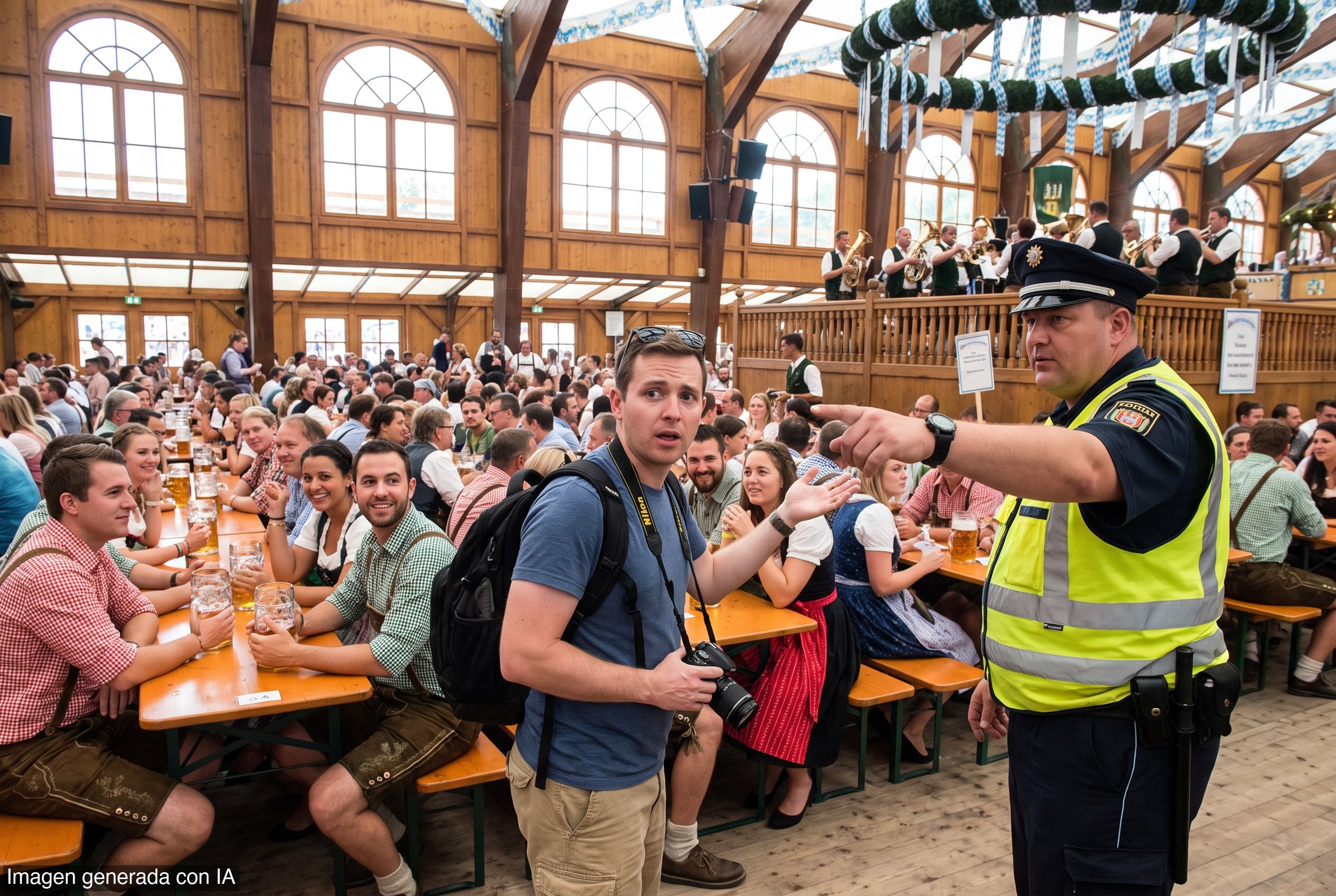
An American visitor to Oktoberfest found that the Munich festival is built on scale, discipline, and a very specific culture. The event was first held in 1810 to celebrate the marriage of Louis I and Princess Therese von Sachsen-Hildburghausen, and it is now celebrated every year in September and October.
That legacy still matters. The festival spans roughly 100 acres, and last year’s event drew approximately 6.5 million people. The visitor said people from around the world come for German culture and beer, but the experience goes far beyond drinking.
Traditional dress is part of the code. Men often wear lederhosen and women wear dirndls, and a local told the visitor that suspenders can signal that someone is not local. The tents are also far bigger and more complex than a casual fair setup: they are temporary wooden structures, some with two floors. There are 17 'large' tents and 21 'small' ones, each with its own theme and brewery.
The festival also has clear behavioral rules. Chugging is a fast way to get kicked out of a tent, and standing on tables is not allowed. Standing on the benches to sing is common, but tables are off limits. The visitor saw a bachelor party escorted out for chugging.
Food and drink culture is part of the draw, too. The visitor encountered 'Wiesn Koks,' described as a drugless, legal powder made of glucose and menthol that festivalgoers snort to wake up between steins. Children under 6 are allowed inside the beer tents before 8 p.m., and some venues offer kid-friendly menus.
Outside the tents, Oktoberfest functions like a carnival, with roller coasters, games, and the Devil’s Wheel. The visitor said the whole experience was impressive for its sheer scale and the friendliness of the people they met.
For founders, the lesson is simple: scale does not happen by accident. Oktoberfest works because the rules are clear, the brand is consistent, and the experience is designed end to end. That is the kind of operating discipline that turns a seasonal event into a global destination.
The bigger takeaway is that tradition can be a growth strategy when it creates identity and repeat demand. The festival does not water itself down to appeal to everyone. It doubles down on what makes it distinct, and customers show up for it year after year.


