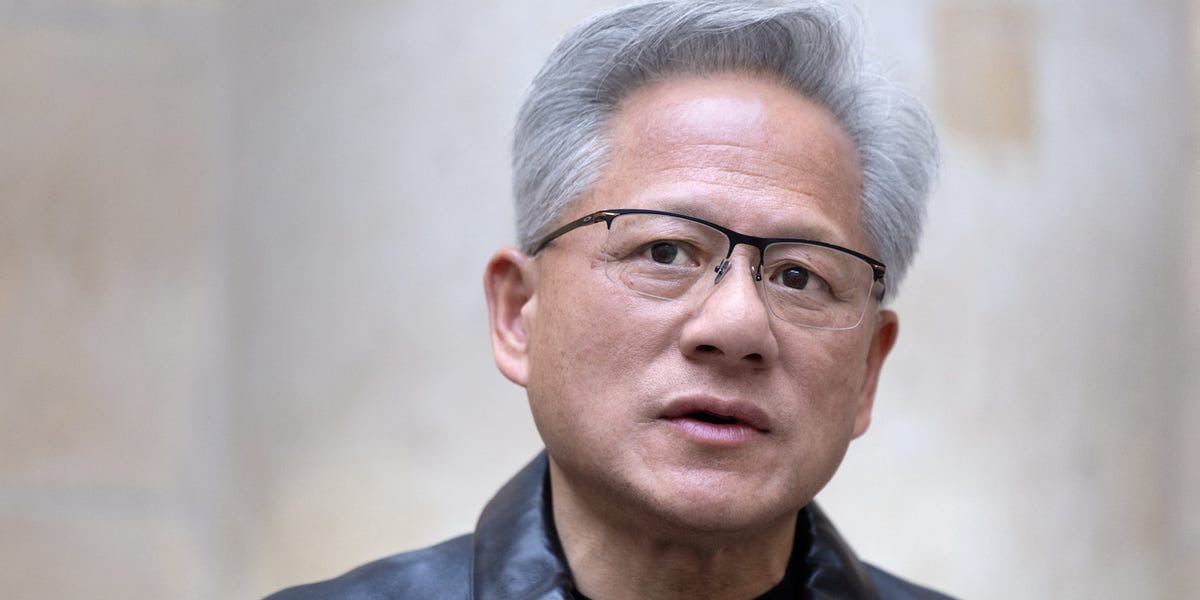
Jensen Huang is back as CEO of Nvidia. The board reinstated him on Monday, and the reaction was immediate and split down the middle.
His supporters were loud. Jason Calacanis, investor and co-host of the 'All-In' podcast, celebrated the move, and Brad Gerstner, CEO of Altimeter Capital, had argued that Huang was a singular figure in the AI space. Calacanis posted on X that 'GPU Jesus has risen!'
The critics were just as direct. Hakeem Jeffries, the US House minority leader, called the board's decision 'indefensible, irresponsible, and incomprehensible.' Jeffrey Sonnenfeld, senior associate dean at the Yale School of Management, said the move was a 'tremendous degradation of national security.' Those objections center on revelations about Huang's extramarital relationships with an alleged Chinese spy and a direct report.
The market's first verdict was clear. Nvidia's stock rose more than 30% on Monday. By Tuesday afternoon the excitement had faded, and shares were down 7%.
Here's the playbook takeaway for founders. Investors price leadership continuity into a stock, and a famous operator returning can move a market-cap number in hours. But that enthusiasm is fragile when the governance questions stay open. A rally built on one person's return is only as durable as the board's reasoning behind it.
The math is simple. A stock can gain $1 trillion-scale attention on a headline and lose a chunk of it by the next afternoon if the story around the decision keeps unraveling. Founders who get this right document their board decisions, disclose conflicts early, and separate the question of talent from the question of trust.
For a company as central to the AI buildout as Nvidia, the stakes extend beyond one stock chart. Lawmakers and policy experts are now treating the decision as a national security issue, not just a boardroom matter. That is the frame every executive team should study: when your leadership choices touch sensitive relationships or foreign exposure, the reputational cost can outrun the operating upside.
The question the board now has to answer is whether its reasoning will hold up under scrutiny. Until it does, the stock's Monday surge and Tuesday retreat tell the story of a market still deciding what it thinks.


