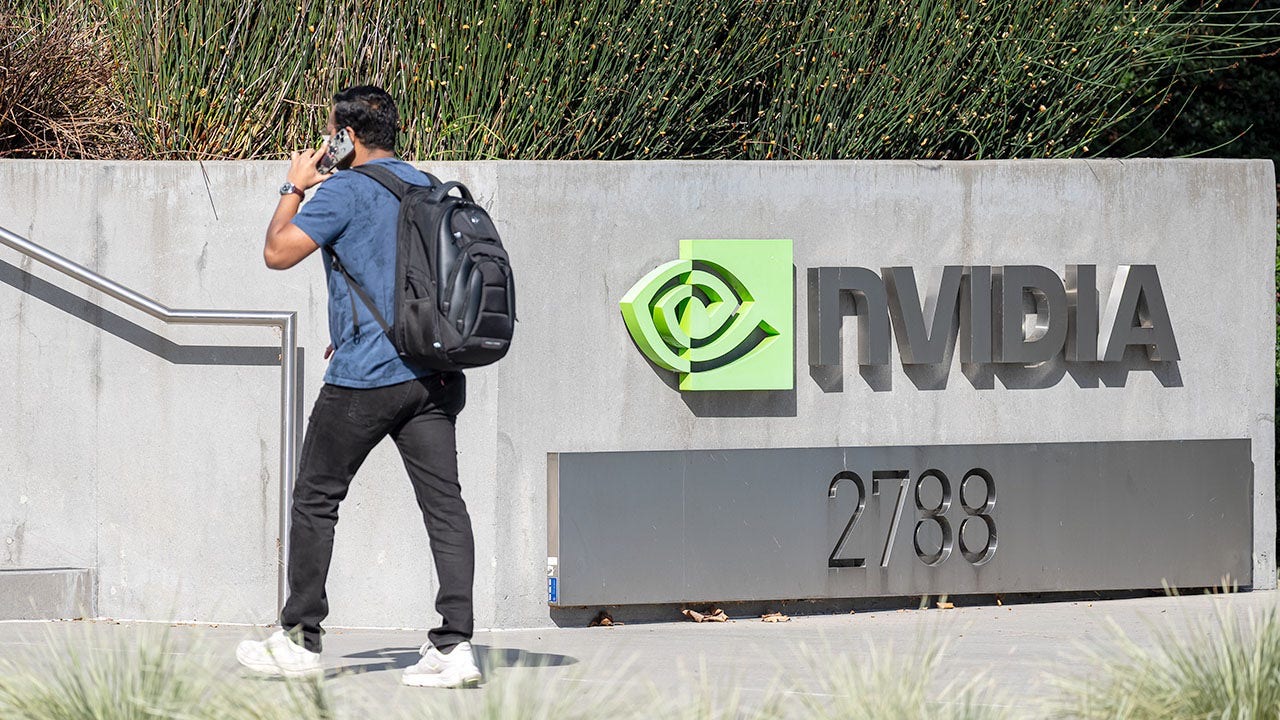
Nvidia's first earnings report since the abrupt departure of co-founder Jensen Huang delivered numbers that most investors did not expect to see this quarter. Total revenue for the third quarter of fiscal 2027 reached $115.8 billion, up 103% from a year ago and above analyst estimates of roughly $109 billion. Diluted earnings per share came in at $2.68, against an estimate of $2.48. The data center division more than doubled its sales to $107.6 billion.
Interim CEO Colette Kress, who has served as the company's CFO since 2013, took the call and struck a confident tone. 'Our momentum is real. Our demand is accelerating. Our supply is growing,' she said. 'We've got this.' Nvidia raised its forecast for fiscal 2028 revenue growth to 75%, from 70% three months earlier, and lifted its fourth-quarter guidance to $130 billion, plus or minus 3%. The company also added $150 billion to its stock buyback program.
The board was equally firm about leadership. Chairman Harvey Jones said the directors 'unanimously accepted his resignation and does not intend to reinstate Jensen as CEO,' even after Huang said he would return if the board wanted him. Nvidia has hired the search firm Heidrick & Struggles to find a permanent chief executive.
The more consequential news may be China. Kress said the company 'is no longer shipping licensed Hopper data center products to China,' and that its guidance includes none of them. She did not explain the decision. The reversal is notable because Huang had fought for U.S. approval to sell H200 chips into China, and the White House had granted that approval the previous December. Reuters reported earlier this month that around 600,000 H200 chips were stuck in Hong Kong after Beijing withheld approval for large-scale imports.
Not every number pointed up. Gross margin guidance for the current period fell to about 71.5%, down from nearly 75% three months ago, and Kress said margins would bottom out this quarter. Nvidia's spending commitments climbed to $518 billion, and the company signaled it will be more selective about financing other AI companies. Shares slipped about 2% in late morning trade Wednesday after initially rising in pre-market trading.
For free-market readers, the lesson is about capital and accountability. Nvidia's results came from private customers paying for chips, not from government subsidy, and that is how a company should earn its growth. Yet the China decision shows how much a single firm's strategy still depends on Washington's licensing decisions and on Beijing's willingness to buy. A company that cannot ship its product to its largest potential market because of export rules and import blockades is a reminder that enterprise, however strong its balance sheet, operates inside a political framework that can change overnight.
The board's refusal to bring back its founder also deserves attention as a matter of corporate governance. Shareholders are better served by a board that makes clear decisions and then executes on them than by one that leaves a leadership vacuum open. Whether the search produces a leader who can keep this momentum while managing geopolitical risk will decide if Nvidia's record quarter becomes a lasting advantage.


