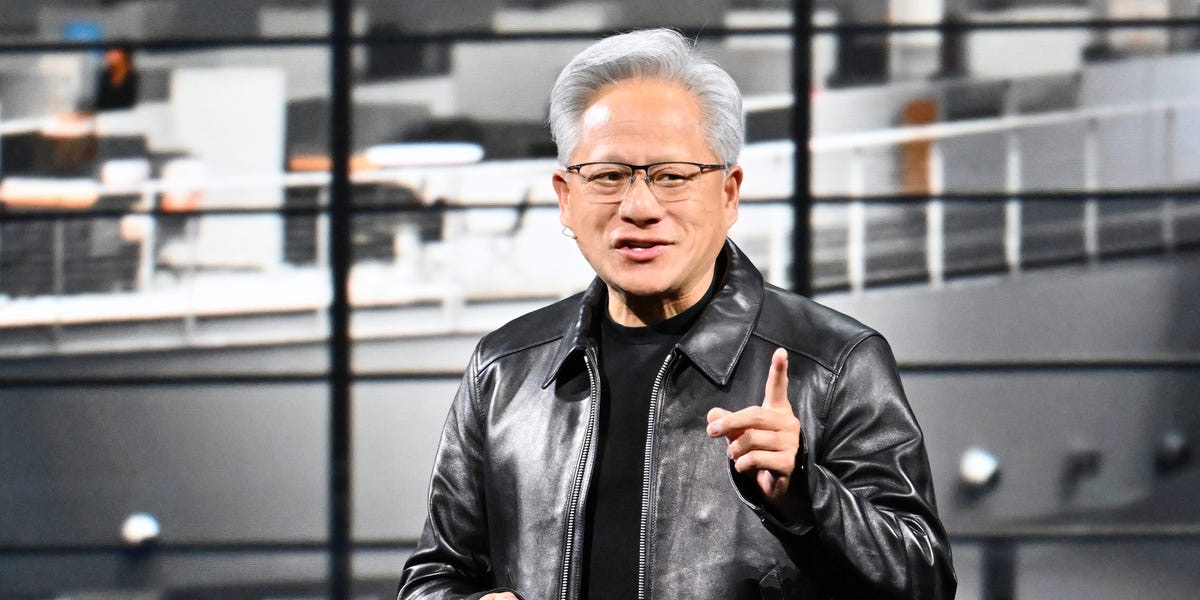
Investors rarely get to put a clear dollar figure on a chief executive. With Jensen Huang, they just did. According to Business Insider, citing Bloomberg data, Nvidia's market capitalization has fallen to about $3.14 trillion since Huang was ousted, a decline of roughly $1.04 trillion in just over a week.
The timeline is worth understanding. On November 11, the day before Nvidia announced Huang's departure, the stock closed at $173.73, giving the company a market value of about $4.2 trillion. By Friday afternoon, the shares had fallen to roughly $128, wiping out more than a quarter of the company's value.
Not all of that drop can be pinned on the boardroom. Bad news was already circulating. The New York Times reported on Nvidia's dealings with Megaspeed and on Huang's relationship with Alice Huang in October 2025, more than a year earlier. An unconfirmed allegation that she might be a Chinese spy was reported on October 29, two weeks before Huang left, and those worries had already pushed the shares down substantially. Business Insider's reporting notes that stock prices move for many reasons.
But after Huang was gone on November 12, the stock became largely a referendum on the man himself. Investors were suddenly pricing Nvidia without the founder who built it into the world's dominant AI chip company. In a sector where a single leader can shape which products get built, which bets get made and where an entire industry heads, that uncertainty is expensive.
This is where the board carries the burden. The job of a public company's board is to look after shareholders. That does not mean chasing the share price every day, or keeping a chief executive at all costs. Directors have broader legal duties and sometimes must make hard calls that hurt owners in the short run. But when a board presides over a CEO's exit and shareholders lose $1 trillion in the process, the question is fair: did the directors fulfill their most important responsibility, and can they show the reasoning?
Business Insider asked Nvidia's press office whether the board believes it acted in shareholders' best interests and how it assesses the decline in market value since Huang left. As of the reporting, no answer had been given.
For founders and investors, the lesson is practical. Key-person risk is real, and it shows up on the balance sheet the moment the market loses confidence in a leader. Governance is not an abstraction. Clear succession planning, transparent communication and a documented rationale for major leadership changes protect the value that owners have already paid for. A board that cannot explain itself will be judged by the market, and the market has already rendered a verdict of $1 trillion.


