New York City's pied-à-terre tax bills have arrived, and they spell out exactly how much the city's wealthiest second-home owners will pay. Here's what the numbers look like.
The levy was authorized by state lawmakers earlier this year and championed by Mayor Zohran Mamdani. It currently applies to family homes valued at over $5 million and to condos and co-ops valued at over $1 million. Legislators have estimated it could bring in around $500 million. It has also drawn lawsuits from some of the owners it targets, with one case dismissed and another still ongoing.
Business Insider cross-checked condo and single-family properties against new Department of Finance records detailing taxes due January 1. The figures are rounded, and co-op shareholders are excluded because the city bills co-op buildings as a lump sum rather than unit by unit.
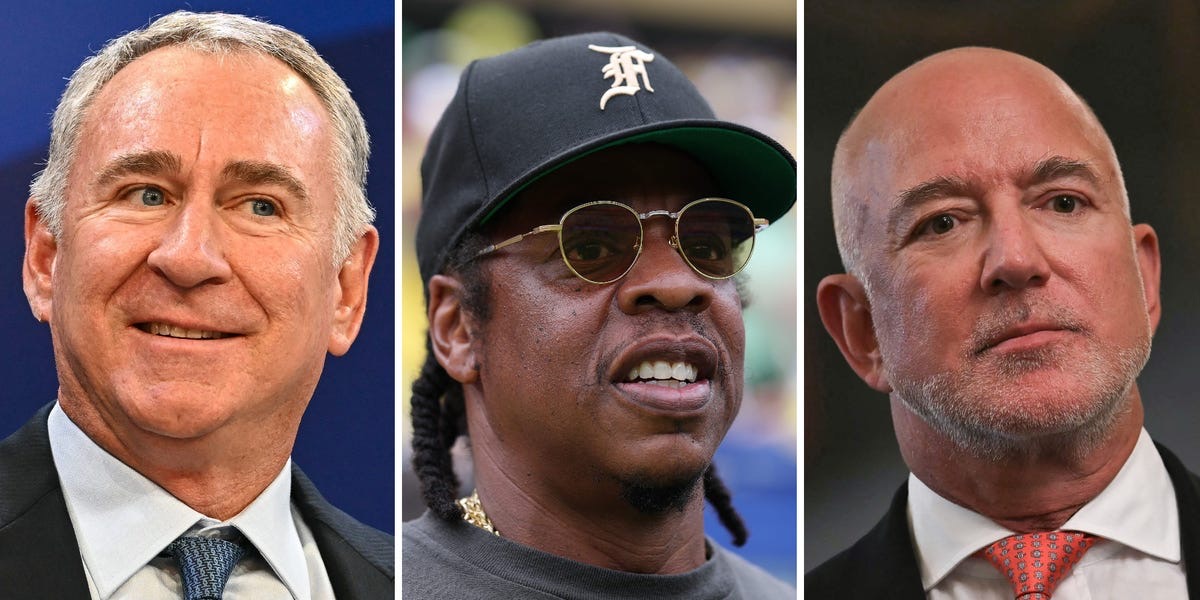
Ken Griffin, the Citadel CEO, is the levy's most visible face. Mamdani named him directly when announcing the tax, standing in front of his apartment on Central Park South. That apartment, which Griffin bought for $240 million in 2019, will cost him $1.01 million next year. He lives full-time in Florida. He also owes a levy on his remaining unit in a Park Avenue co-op building.
Jeff Bezos bought five apartments in a Fifth Avenue condo building in Manhattan's Nomad neighborhood between 2019 and 2021. The spread totaled about $119 million, and it will now cost almost $716,000 extra next year. Bezos told CNBC earlier this year that he thinks the tax is 'a fine thing for New York to do.' Records on four Central Park West apartments he once held with his ex-wife, MacKenzie Scott, are unclear, so his total could be higher.
Michael Dell's penthouse, bought in 2014 for $100.5 million on Billionaires' Row, will carry an extra $482,000 next year. President Donald Trump still owns his midtown Manhattan triplex, even though he lives mainly in Washington and at Mar-a-Lago. His bill there is over $391,000. Trump has called the tax a 'dangerous political experiment' that would 'destroy what was once a great City and State.'
Jay-Z owes around $170,000 on a Tribeca penthouse linked to him for decades. Taylor Swift has received bills for two Tribeca residences totaling just over $133,000.
The pattern is hard to miss. The tax reaches well beyond the billionaires most people picture. Owners who have moved their primary homes out of state now pay a city surcharge on property they keep for part of the year, and the money flows into city coffers rather than being left with the people who earned it. Every new levy of this kind adds a fixed cost to holding property, and that cost eventually shows up in the prices, rents and investment decisions that touch ordinary New Yorkers.
The real question is not whether the wealthy can absorb a seven-figure bill. They can. The question is whether a city that already taxes property heavily should keep reaching for new revenue from a narrow group of owners, when the surest path to a stronger tax base is a climate where capital wants to stay. Taxpayer money is only as dependable as the economy that generates it, and a levy built on the assumption that wealthy owners will simply pay and stay is a gamble with the city's future.


