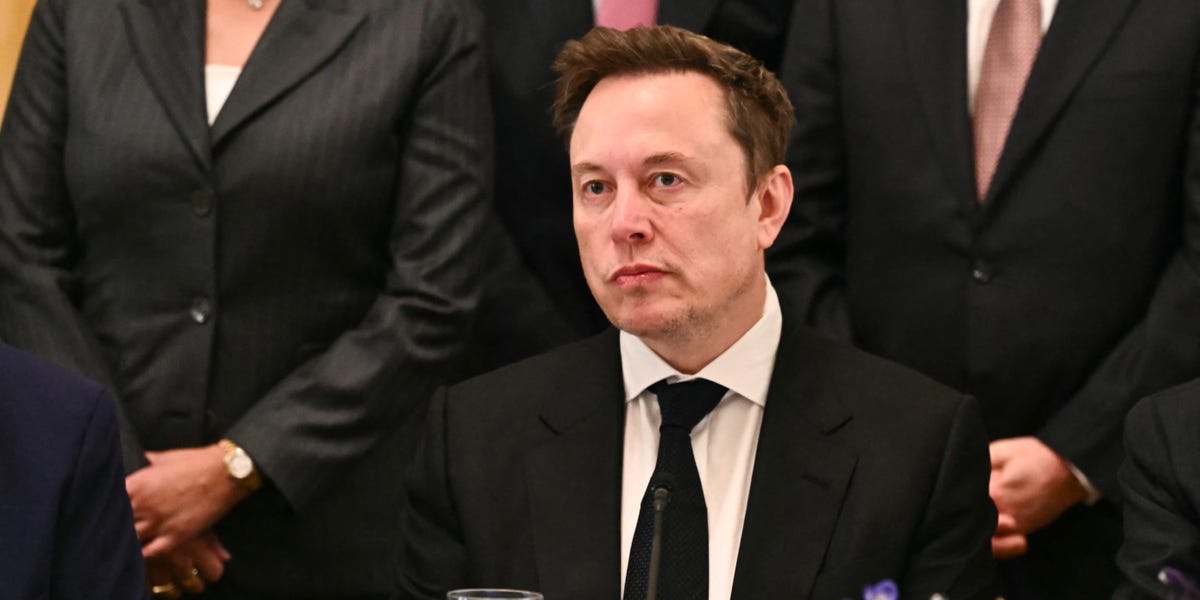
Elon Musk, the SpaceX and Tesla CEO, is warning that the AI boom could run short of cash. In a reply to an X post comparing low stock valuations for semiconductor manufacturers with their expected profits, Musk said, 'The cash shortage is also going to be nuts next year.' He added that delays in bringing data centers online would require 'hundreds of billions' in additional capital for AI companies.
The timing matters. According to Business Insider, the S&P 500 and the Dow entered correction territory on Friday, meaning both had fallen at least 10% from recent highs. Some observers speculated that the AI bubble had popped. Financial regulators in Taiwan, a semiconductor-heavy economy, said on Saturday they would limit short selling, an action similar to one taken by US regulators during the 2008 housing crisis.
Here's the playbook behind the warning. Companies such as Meta, Microsoft and Anthropic are reporting growing revenue, but they are also spending massive sums to secure compute, the hardware that powers chatbots and other AI tools. Compute is largely supplied by data centers, and those have run into a series of setbacks, including community backlash over where they are being built, the blue midterm wave and construction delays.
The math is simple. Without a reliable network of data centers, AI companies cannot scale to meet investor demand. Data center operators, meanwhile, are carrying multibillion-dollar investments that are not yet generating revenue. Musk put the engineering problem plainly: 'Getting this amount of compute turned on, cooled and working reliably is incredibly hard.'
For founders outside the AI giants, the lesson is about runway and dependency. If your product relies on someone else's infrastructure, a delay in their capacity becomes a delay in your revenue. Map your critical suppliers, ask how their timelines could slip, and keep enough cash to absorb a quarter of pushed-back launches. Founders who build that buffer now will move faster when the rest of the market is scrambling.
This is also a free-market story. Capital is being allocated at enormous scale to projects that have not yet proven they can deliver returns, and the people who bear the risk are the investors and operators who committed their money. When the market turns, the discipline of cash flow, not the enthusiasm of the moment, decides who keeps building. Taxpayer money is not the buffer here, and private capital should not be treated as one either.


