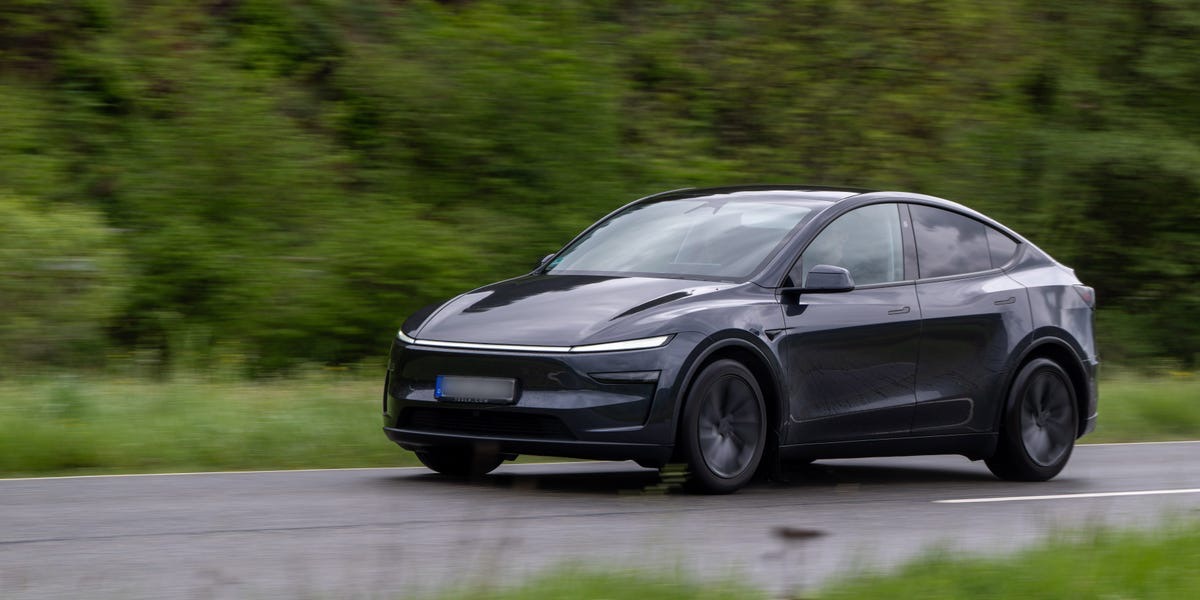
Tesla CEO Elon Musk said on Wednesday at The New York Times DealBook Summit that the company plans to develop a version of the Model Y with no steering wheel and no pedals, capable of carrying six or seven passengers. He did not explain how the interior would be configured.
The announcement matters because of where Tesla is now. The company's Robotaxi service already runs on a fleet of Model Ys, but its terms of service limit seating to four people. Musk said the two-seat Cybercab, a coupe with no steering wheel or pedals, will cover most of the passenger miles driven for the robotaxi service. Even so, he said, 'If you've got a whole family in the car, you still need autonomous vehicles for that.'
That is the gap Musk is pointing at. A robotaxi that carries six or seven people would give Tesla a way to serve larger groups, a segment of the U.S. autonomous ride-hailing market that remains relatively underserved. Competitors are moving toward the same space. Waymo's Ojai, which the company describes as its more spacious vehicle platform compared with its Jaguar SUVs, can fit up to four people. Uber plans to launch robotaxis built on Lucid's Gravity SUV, which the ride-hailing company said can seat six.
For founders, the playbook is familiar. The company that fills an unserved niche first usually captures the revenue, and the one that waits pays for it in lost customers. Here is the math in plain terms: the more seats a vehicle can sell per trip, the lower the cost per passenger, provided the car is utilized. Tesla is betting that a larger, driverless Model Y can raise revenue per vehicle while the Cybercab handles solo and two-person trips at scale.
The risks are just as real. Musk offered no timeline and no detail on seating or safety design. The announcement is a stated plan, not a shipping product, and the autonomous-vehicle business has a long record of promises that arrived late. Founders building on similar bets should treat a CEO's summit remarks as a signal of intent, not a forecast of revenue.
For the free-market reader, the story is about competition and property. Private companies are racing to put driverless vehicles on the road, and the winner will be the one that delivers rides people pay for, at prices they accept, without waiting on a government program to pick a favorite. A firm that can fit a family into a driverless car and charge fairly for it is doing what markets reward. The companies that stall, whether through engineering delays or overregulation, will hand their customers to rivals.
Start smaller than you think: test the larger-group use case in one market before you scale the fleet.


