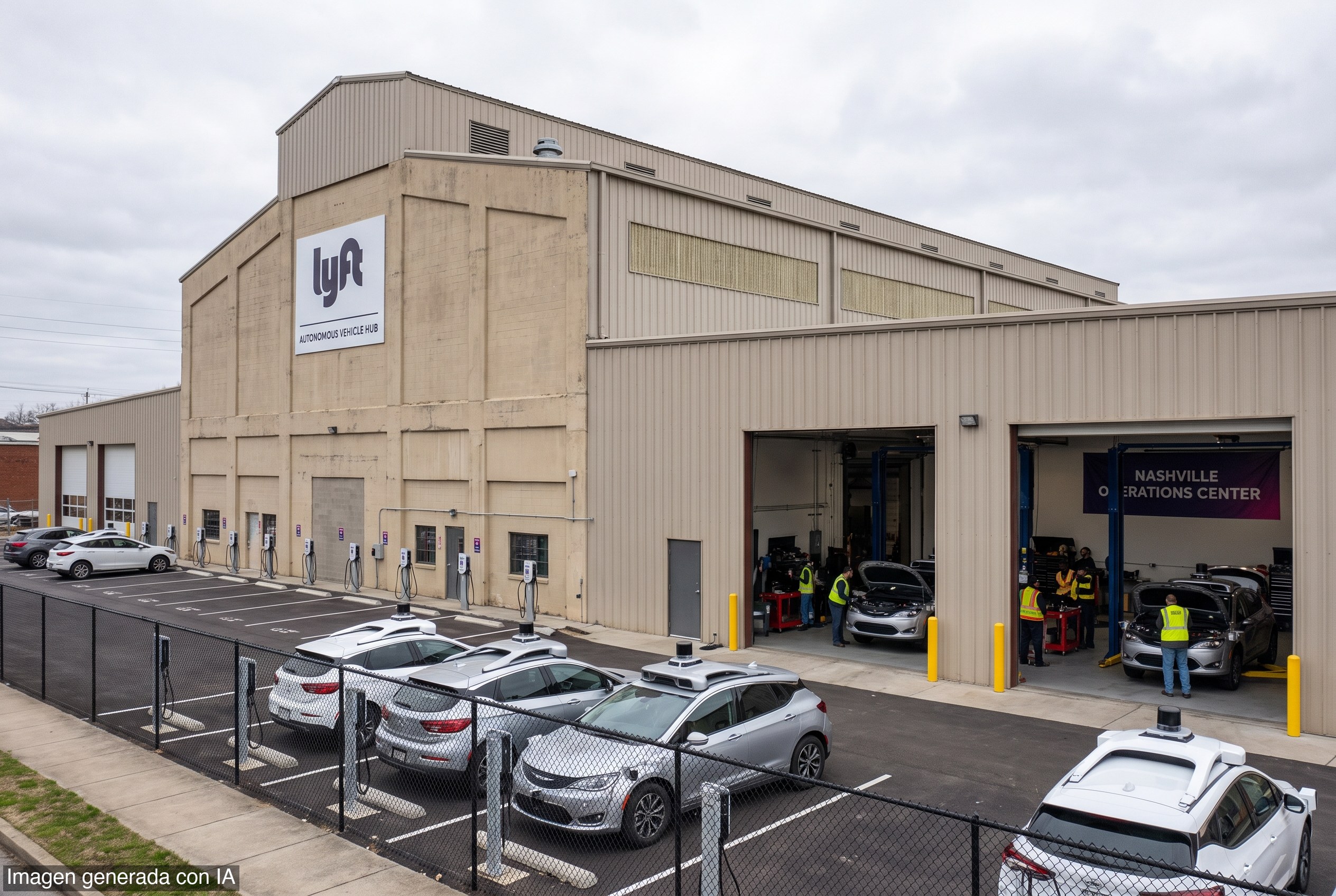
Lyft's Flexdrive arm has opened an 80,000-square-foot depot in Nashville, Tennessee, in a former US Postal Service facility.
Later this month, autonomous vehicles from Alphabet-backed Waymo will begin using the site when they need a charge, repairs, a clean, or other maintenance between passenger trips in the Southern city, Lyft said.
The facility is the latest sign that robotaxi expansion requires more than code. Companies entering the market need physical space to house and fix vehicles when they are not on the road.
Lyft said the Nashville depot has dozens of chargers capable of supporting hundreds of autonomous vehicles. It also includes bays for car work and secure storage for parts.
About 70 full-time employees staff the site, according to Lyft, and the company sees potential to create hundreds of jobs in the coming years.
Lyft said many of the workers at the new facility used to be Lyft drivers. Parks said in June that cleaning or servicing self-driving cars at a depot can give ride-hailing drivers a new career path.
That matters for founders watching the autonomous-vehicle market. The headline opportunity is rides without drivers, but the operating reality is a lot less sleek: chargers, bays, parts, labor, and rented space. The companies that win will be the ones that can turn a capital-heavy infrastructure layer into a repeatable operating playbook.
For investors and operators, the signal is simple. Autonomous fleets do not scale on software alone. They scale on uptime, maintenance discipline, and the ability to keep vehicles moving through a system that still needs people on the ground.


