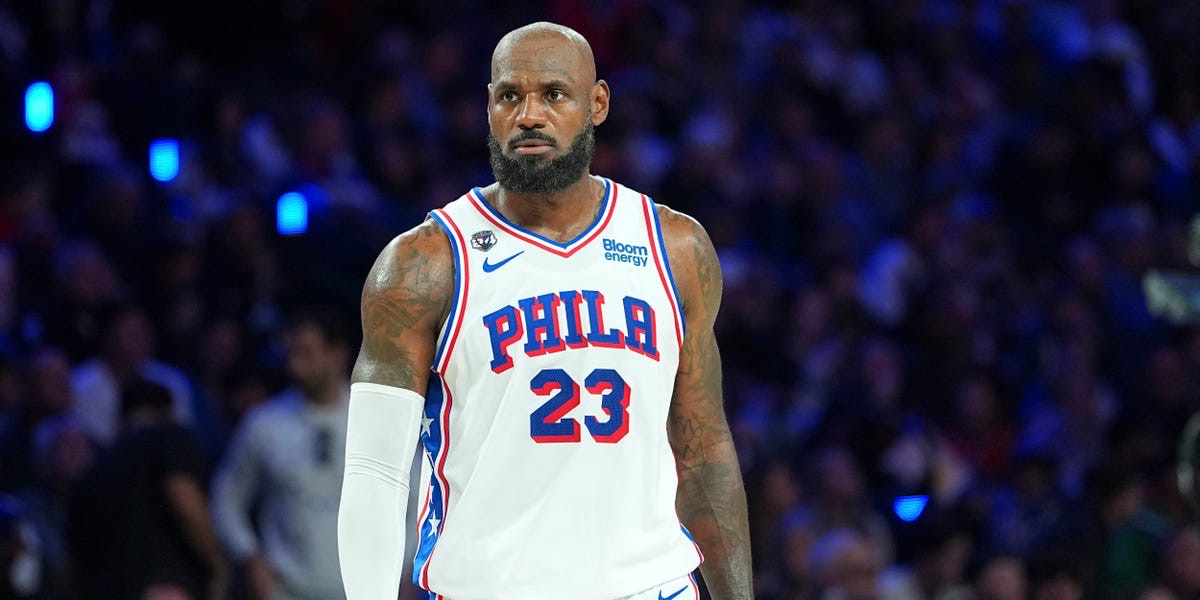
LeBron James is taking the startup behind a sports-betting analytics app called Bron to federal court. The lawsuit, filed Tuesday in Manhattan federal court by celebrity attorney Alex Spiro, accuses PlayVision, the Y Combinator-backed company behind the app, of stealing James' name and likeness to make consumers believe he endorsed the product.
The complaint names PlayVision along with its founders, Mark Zogby and Anish Gupta, who is identified as the CEO. According to the lawsuit, the defendants picked the name 'Bron' precisely to evoke James. In the filing's words, the goal was 'to trade on his fame and goodwill, and to falsely suggest to the public that Mr. James endorsed or was affiliated with the Bron App.' Representatives for PlayVision did not immediately respond to a request for comment from Business Insider.
The central exhibit is a November advertisement. The lawsuit says it was built around an AI-generated version of James wearing a No. 23 jersey with his 'Bron' nickname and tattoos that mimicked his own. In that ad, the AI-generated figure speaks in James' voice, scrolls through wagers on other NBA players, and urges viewers to 'Scroll to bet.' The lawsuit alleges trademark infringement.
The filing argues the ad worked exactly as planned. It says the spot pushed the app from obscurity into controversy, gaining a million views within a day. 'But Mr. James has no affiliation with Defendants or their product,' the complaint states. It also alleges the defendants treated the violation as a 'marketing expense.'
The lawsuit adds a detail founders will recognize. After James' attorneys sent a cease-and-desist letter, the complaint says the startup used it to 'gin up additional publicity,' took the ad down, teased 'a new name' without delivering one, and dared James to file suit. James did.
The case seeks a jury trial and unspecified monetary damages. The complaint describes James as 'one of the most recognizable identities in the world' and says he commands tens of millions of dollars in fees for endorsing products or ventures. 'His endorsement is uniquely valuable,' the lawsuit says. 'And that is why Defendants decided to steal it all for themselves.'
Here's the playbook takeaway. Borrowing a famous face is not a growth hack. It is a liability that can outlast the ad. If you are building a consumer product in a regulated, high-attention category like betting, the math is simple: a viral ad that depends on someone else's identity can cost you far more in litigation and brand damage than it ever earned in installs. Build a brand that stands on its own. Clear your names, your nicknames and your likenesses before launch, not after a cease-and-desist arrives. Start smaller than you think, and make sure every asset you put in front of customers is one you actually own.


