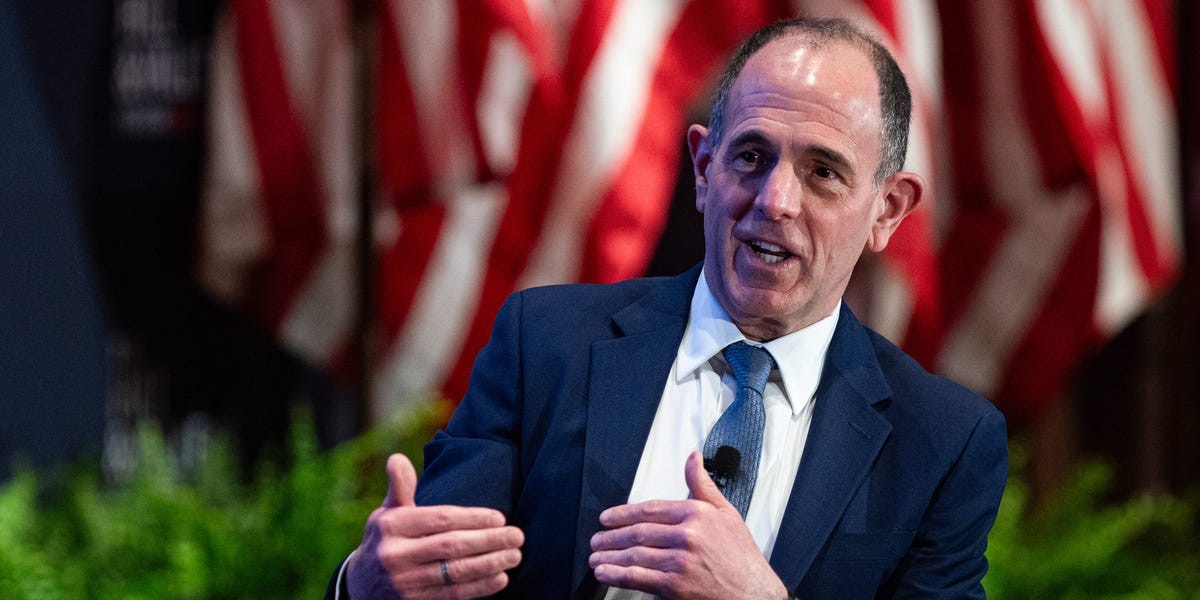
Keith Rabois, managing director of Khosla Ventures, has paid out $250,000 after losing three bets tied to San Francisco and the midterms. The bets were made publicly on X, and two of the three are now settled.
The first wager dates to 2023. Rabois bet against fellow investor Sheel Mohnot that no venture-capital-backed startup based in San Francisco would exit for more than $10 billion. The pot was $100,000. Recent deals have made that call look shaky: SpaceX acquired Cursor for $60 billion, and Anthropic is heading toward a blockbuster IPO.
In April, Rabois added a second $100,000 bet against Mohnot, this time on Republicans winning the House of Representatives in the midterms. That one also went the wrong way. On Saturday, Mohnot posted on X that Rabois had paid him the full $200,000. Mohnot said he plans to donate $100,000 of the prize to the nonprofit Inclusive Abundance and send the other half to people working to eradicate a disease that runs in his family.
Rabois also placed a separate $50,000 bet with Geiger Capital, a popular investing account on X and Substack, that Republicans would keep control of the House. Geiger Capital posted a screenshot earlier in November saying the wager had been settled, calling Rabois a 'man of honor.' Rabois replied in the thread with a stock-buying suggestion. Rabois and Geiger Capital did not respond to requests for comment from Business Insider.
Betting is part of venture culture. Poker games where investors and founders gather to wager are common, and Balaji Srinivasan said in 2023 that he paid out $1.5 million after betting bitcoin would reach $1 million in 90 days.
Mohnot defended his counterpart, calling Rabois an 'amazing investor' and saying some bad bets do not define him. 'The beauty about venture is you can be wrong a lot of the time and still make a lot of money,' he wrote. 'Keith has done that.'
For founders, the episode is a clean case study in asymmetric outcomes. Venture returns come from a few large winners, so a portfolio can absorb many misses. A personal bet has no such cushion. Here's the playbook: size the bet to what you can lose without changing your decisions, and write down your thesis before the outcome arrives so you judge the call, not the result. The math is simple. A $250,000 loss is noise for a fund manager and a runway problem for a bootstrapped company. Founders who separate their conviction from their capital tend to make better decisions with both.


