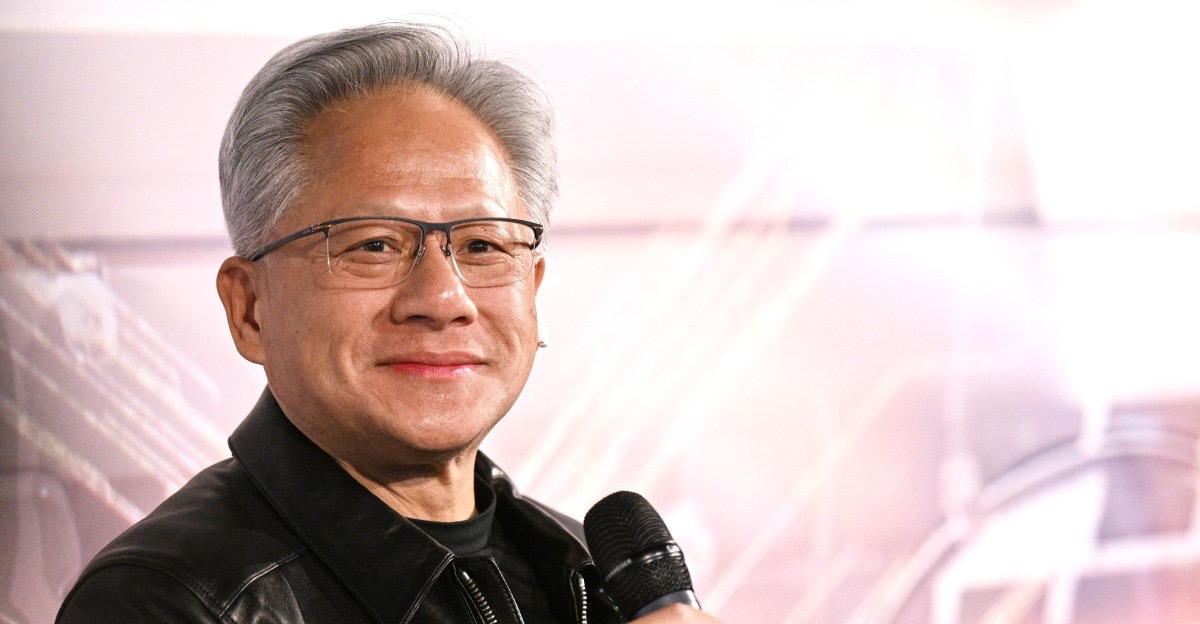
Nvidia CEO Jensen Huang returned to the company this week after resigning on November 12, and he used his first all-hands meeting to apologize. According to people inside the room, Huang told employees he had let them down and promised to do better the second time around. "I hurt all of you," Huang said, according to one of the people.
Huang also pushed back hard on the idea that Washington made his comeback possible. According to Marisa Kabas of The Handbasket, he called claims that President Donald Trump was directly involved in his reinstatement "completely untrue" and added, "Don't think for a second politics played a role in the company. We are the most apolitical company." The New York Times reported that Huang said the board "evaluated the entire situation" and received assurance from the government that he posed no national security threat.
The official record, though, is not as clean as the message. Nvidia's board said it "received input" from senior federal officials about potential national security risk, and Trump told CNBC he gave the board assurances and "made the deal" to restore Huang to his post. Trump has also said he worked with Vice President JD Vance and other officials on the decision. Trump, who trades Nvidia stock, has boasted about the deal, which is why critics are asking who benefited.
Congress is now moving to examine that question. Incoming Senate Intelligence Committee Chairman Mark Warner (D-VA) said he expects a strong bipartisan investigation in December. Warner's concerns center on whether national security information was compromised, what roles Trump and administration officials played in the reinstatement "amid potential personal financial gain," and what the administration's position is on chip exports. Senate Intelligence Committee chairman Tom Cotton (R-AR) said Congress "has much to investigate" and called for bipartisan chip export-control bills. Huang is set to testify publicly before several House and Senate committees next month.
For taxpayers and shareholders, the stakes are concrete. Nvidia is still under investigation over its accounting practices, according to Reuters, and the company is running its own internal probe into reports that Huang was the target of a Chinese spy plot. Its stock fell 30% on the day of his return, and it had its worst week in the market since 2008 before that surge. Shares fell again on Tuesday.
Huang also said he doesn't believe in succession planning, arguing that Nvidia's model of multiple capable leaders makes a formal plan unnecessary and that such a plan would create unnecessary hierarchy. He acknowledged he violated the company's code of conduct and said he is attending therapy daily.
What this episode puts at stake is a principle that free-market investors should care about: whether a company's leadership is decided by its board and shareholders, or by political favor. When a president claims a deal and a board cites government input, the line between private governance and administrative influence gets blurry. Shareholders deserve a clear account of that line, and so do the taxpayers whose agencies were involved. Congress's inquiry may be the only mechanism that gets one.


