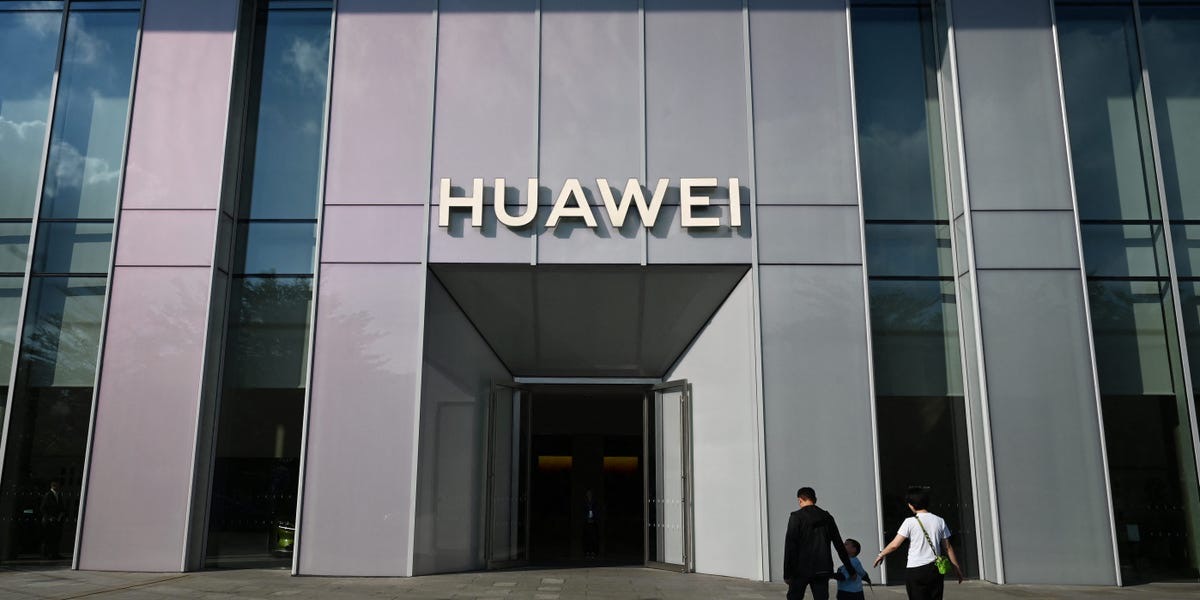
A federal jury in Brooklyn convicted Chinese tech giant Huawei on 10 of 12 counts on Tuesday, following a three-month trial. The charges include conspiracy to steal trade secrets, wire fraud and money laundering. The jury acquitted the company on its racketeering conspiracy charge.
Attorney General Todd Blanche put it plainly in a Department of Justice news release: 'No person or company is above the law.' According to the DOJ, Huawei and three of its subsidiaries conducted business in the United States on the basis of lies and theft.
The April indictment alleged that between 2000 and 2020, Huawei and its subsidiaries ran a scheme to misappropriate intellectual property belonging to US firms. Prosecutors said the company tried to recruit employees from other companies to pull confidential information out of them. The DOJ also accused Huawei of stealing source code and proprietary information from several US-based companies, including Cisco and T-Mobile.
Prosecutors further alleged that Huawei concealed operations in Iran and North Korea and lied to banks about its dealings in Iran.
Huawei responded on Wednesday, calling the government's remaining charges 'without legal or factual merit.' The company said the five trade secret-related disputes cited by the government were all civil matters resolved over the past two decades, and it said it would review the verdicts and pursue any necessary legal action to defend its rights and interests.
Here's the playbook for the rest of us. Your intellectual property is your moat, and it is only as strong as your paper trail. Keep dated records of who built what, lock down source code with access controls, and make sure every departing hire signs confidentiality and invention-assignment agreements. When a competitor starts hiring your engineers in bulk, treat it as a signal, not a coincidence.
The second lesson is about counterparties. Huawei is best known as a telecommunications provider and smart device maker, and it also manufactures semiconductor chips across more than 170 countries and regions, according to the company. Scale that footprint and the compliance surface grows with it. Banking relationships, sanctions screening and the destinations of your product all become legal risk, not just operational detail. The US Department of Commerce placed the company on its Entity List in 2019 on national security grounds, a reminder that the government watches who you sell to as closely as what you sell.
The math is simple. A single trade-secret dispute or banking violation can cost more in legal fees and lost access to capital than most early-stage companies earn in a year. Founders who get this right move faster, because they never have to stop a deal to explain where their code came from.
Start with three steps this quarter: audit who has access to your core code and data, map every country and bank your money touches, and write down your IP chain of title before anyone asks for it.


