Tyler Perry's entertainment empire made him a billionaire, and his net worth stood at $1.4 billion in October 2026, according to his Forbes profile.
Perry's income streams include his film and TV library, investments, his ongoing content deal with BET, and Tyler Perry Studios in Atlanta. He joined the billionaire ranks in 2020, and in 2022 he was the third highest-paid entertainer in the world at $175 million, Forbes reported.
What stands out is not just the scale, but the ownership. In a first-look deal, Perry owns the copyright to his material. He maintains ownership of everything he has produced, including 1,200 TV episodes, over 20 films, and at least two dozen stage plays.
That control turned a single character into a durable franchise. His first film, 'Diary of a Mad Black Woman,' opened in 2005 and jumpstarted the Madea franchise. The highest-grossing Madea movie, 'Madea Goes to Jail,' brought in $90 million in total box-office earnings in 2009, Forbes reported. His broader film collection has brought in over $1 billion in ticket sales.
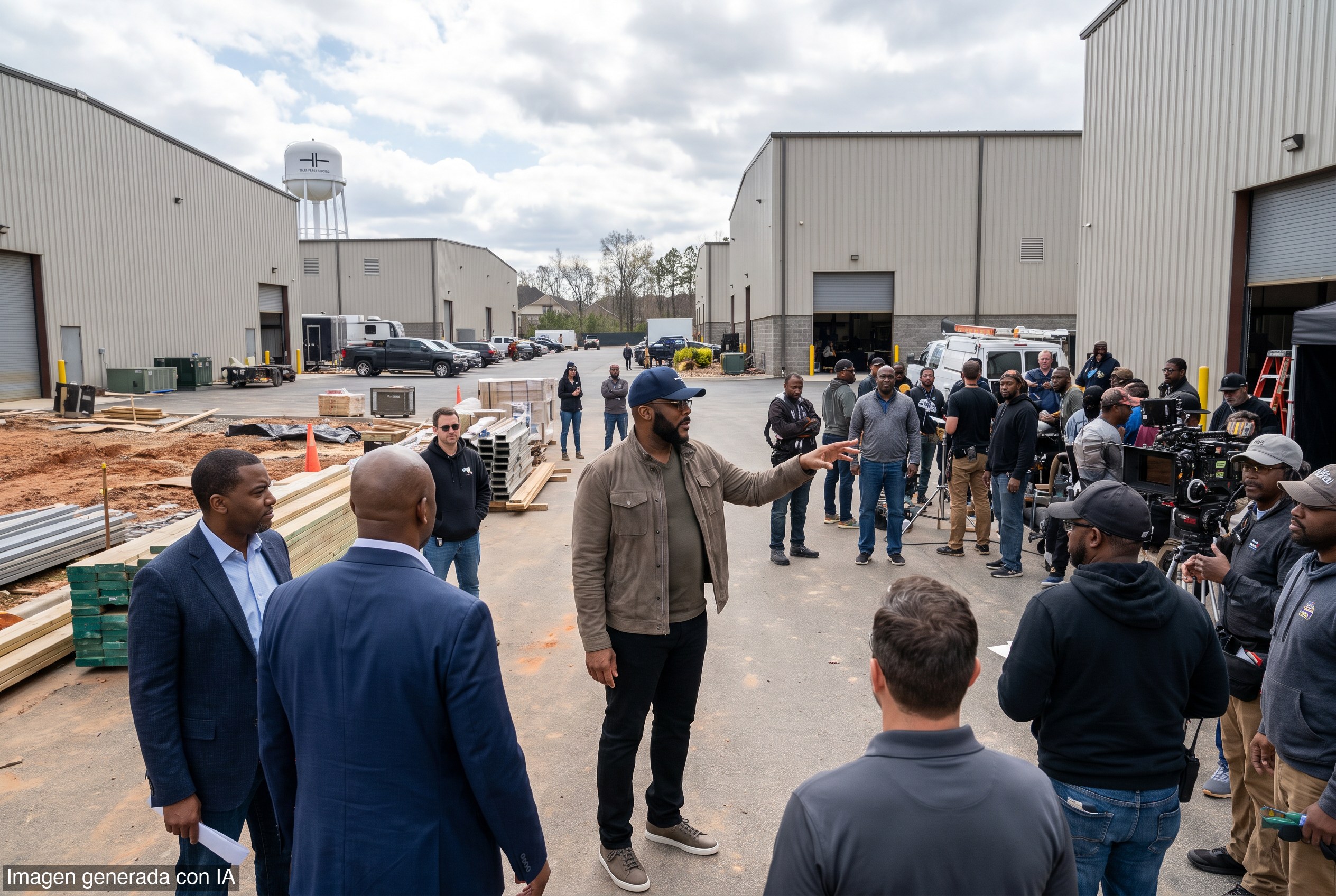
Perry's business also extends into infrastructure. In 2015, he paid $30 million for land on the grounds of the historic Fort McPherson army base, where he built his production studio. The studio grounds feature 12 sound stages and 200 acres of greenspace. He took Architectural Digest on a tour in 2019, and the property includes neighborhoods, mansions, and a replica of the White House.
His deals with networks also show how valuable a strong library can be. Perry created shows such as 'The Have and Have Nots' and 'If Loving You Is Wrong' for OWN during a seven-year partnership that ended in 2019. In 2017, he signed a contract with BET's parent company, Viacom, to produce exclusive original content for BET and other Viacom networks. At the time, the company reportedly gave Perry a 25% equity stake in BET+ and paid him $150 million annually.
Perry has also turned real estate into another part of the playbook. He bought a 34,000-square-foot house in Atlanta in 2007 for $9 million and sold it in 2016 for $17.5 million. He bought another property for $4.3 million in 2004 and expanded it to 24,592 square feet in a 2012 renovation.
The founder lesson is straightforward: ownership compounds. When you control the copyright, the studio, and the distribution relationships, you are not just selling content — you are building a balance sheet. That is why Perry's model matters to anyone thinking about margins, leverage, and long-term runway.
For founders, the math is simple. Assets that you own keep paying you after the launch campaign ends. If you can build something customers return to, and keep the rights to it, you do not just grow revenue. You build an engine that survives the next platform shift.


