Economy will never match first class on space, meals, or service. But Zach Griff says you can make the cabin feel closer to an upgrade with a few simple moves before and during the flight.
Griff estimates he has spent 3,500 hours flying more than 1.8 million miles in business and first class cabins. He says he also flies about 150,000 miles a year on average, including roughly 50,000 in economy. That mix gives him a clear playbook for making a lower-cost seat more livable.
One of his biggest tips is to avoid crowded flights when possible. Griff says the earliest and latest departures of the day tend to have the most empty seats. He also recommends aiming for a Saturday or midweek booking.
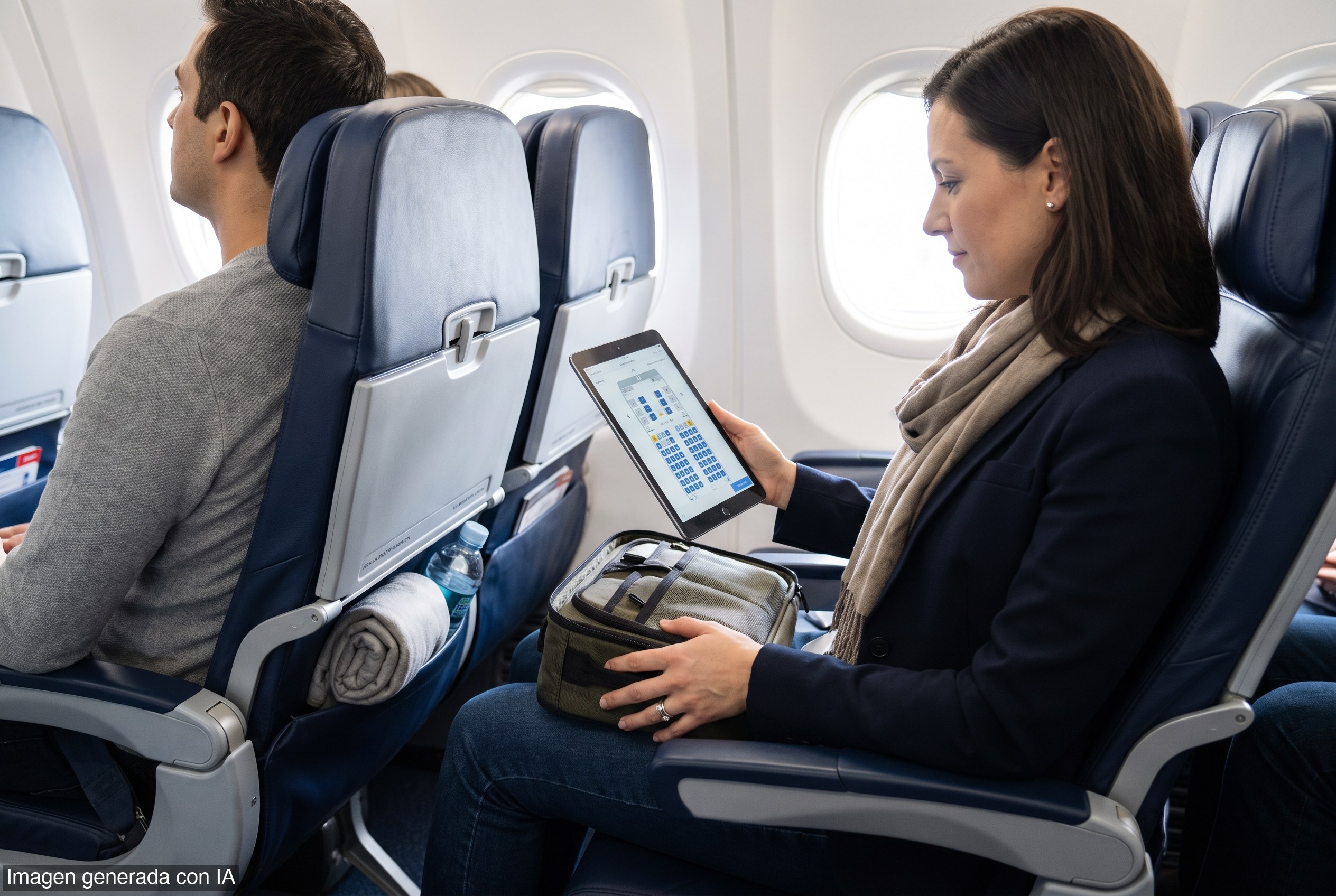
Seat selection matters, too. Griff says a row without a middle seat can make economy feel like an upgrade. On some wide-body planes, those rows appear in layouts with two aisles and are usually used for long-distance travel. He starts checking the seat map two days before departure and keeps watching it until boarding begins.
'If it's looking like maybe another row has more space, I'd always move to that row to see if that may end up open,' he said. 'Monitor the seat map until the minute before boarding starts and move around to optimize your chances of finding an empty seat.'
Food and comfort gear also play a role. Griff recommends bringing your own dish or picking up takeout on the way to the gate if the airline does not include a meal. He also suggests dressing in athleisure and packing a sleep mask and noise-canceling headphones. If you have a small massage gun, he says to toss that in your carry-on, too.
Griff said a credit card or elite status with the airline may unlock free checked bags, earlier boarding, or possibly better seats. Put those pieces together, and economy starts to feel less like a downgrade and more like a controlled tradeoff.
For founders, the lesson is straightforward: you do not always need the premium version to improve the experience. Sometimes better timing, better preparation, and a few low-cost adjustments protect the customer experience without blowing up the budget. The math is simple. Small operational choices can buy a lot of perceived value.


