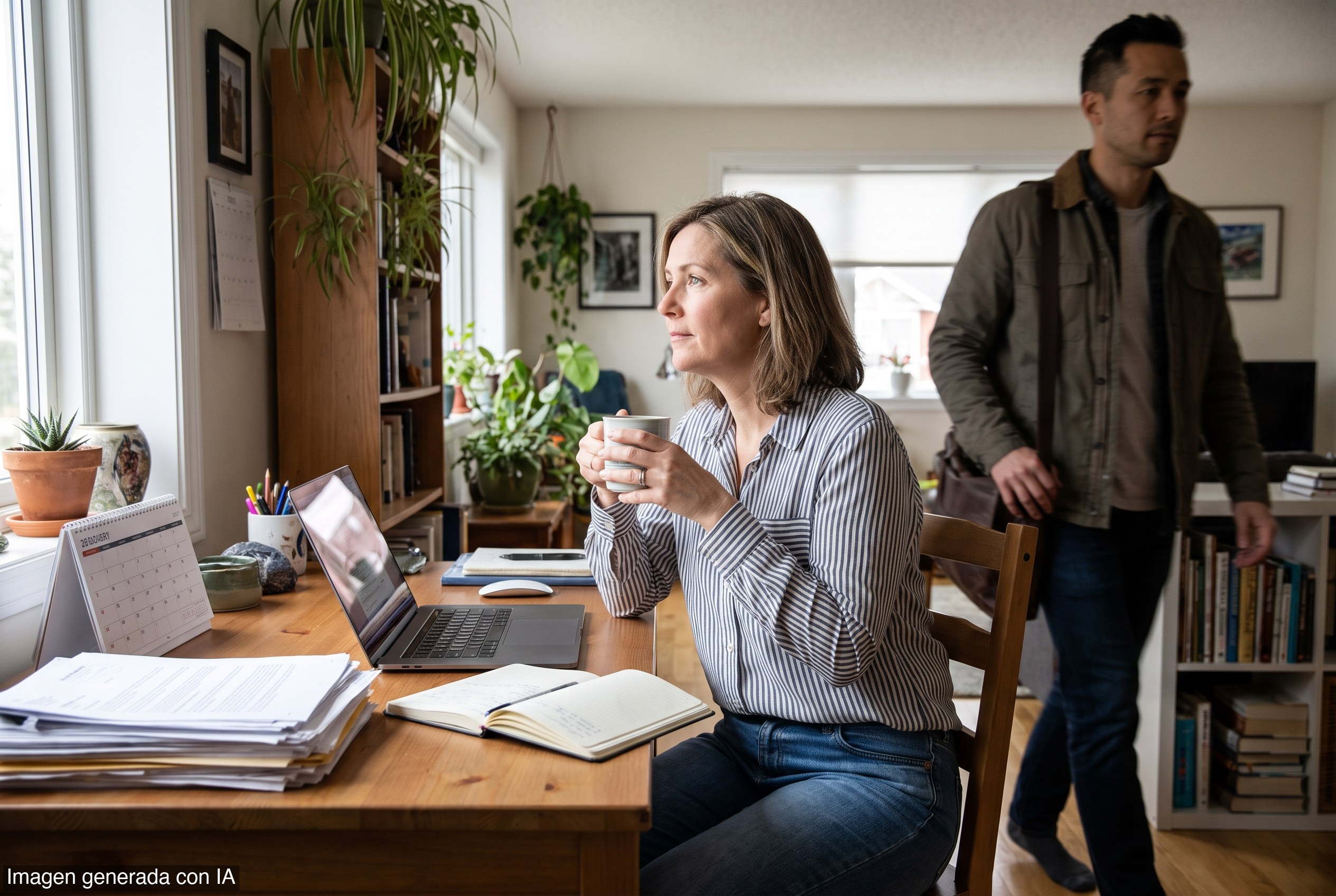
For years, Maria Polansky built a life around constant work. She started freelancing while living in Vancouver, later moved to the UK, and then kept stacking part-time and freelance jobs until 6- and 7-day workweeks became normal.
The pressure intensified after she and her husband moved back to Canada in 2023. She said they chose an immigration route that meant her husband could not work for at least a year while his visa was processed, so she became the sole provider. To avoid dipping into savings, she quickly found another part-time job and kept freelancing on the side.
By then, her schedule had become a grind: three or four days at her part-time job, plus the rest of the week on freelance projects. The arrangement helped the household stay on top of finances, but it also left her feeling depleted.
When her husband finally got his visa in 2024 and later secured a full-time role after a six-month job hunt, Polansky changed course. She dropped her part-time hours to two days a week, stopped taking extra shifts, became more selective with freelance clients, and began taking full days off regularly.
Now, about a year and a half after her husband returned to work, she says her typical workweek is lighter than it has been in years. She takes at least one full day off each week and works shorter days so she can have slow mornings and unwind at night.
The math is simple: when income is tight, many workers act like the business has no ceiling on hours. That can keep the lights on, but it can also turn survival mode into a habit. Polansky says the old urge to keep working still shows up, even though the household income now covers essentials and a few extras.
For founders, freelancers, and anyone bootstrapping through a rough patch, her story is a reminder that margin matters in more than one sense. Revenue is only part of the equation; so is the ability to keep your health, your time, and your judgment intact.
Polansky’s latest lesson is that roles can shift inside a partnership, and that does not have to be a failure. Sometimes the strongest move is to protect your energy before burnout eats the business, the family, and the runway all at once. Start smaller than you think, and keep enough breathing room to make better decisions tomorrow.


