Here's the playbook behind a side hustle that outgrew the day job.
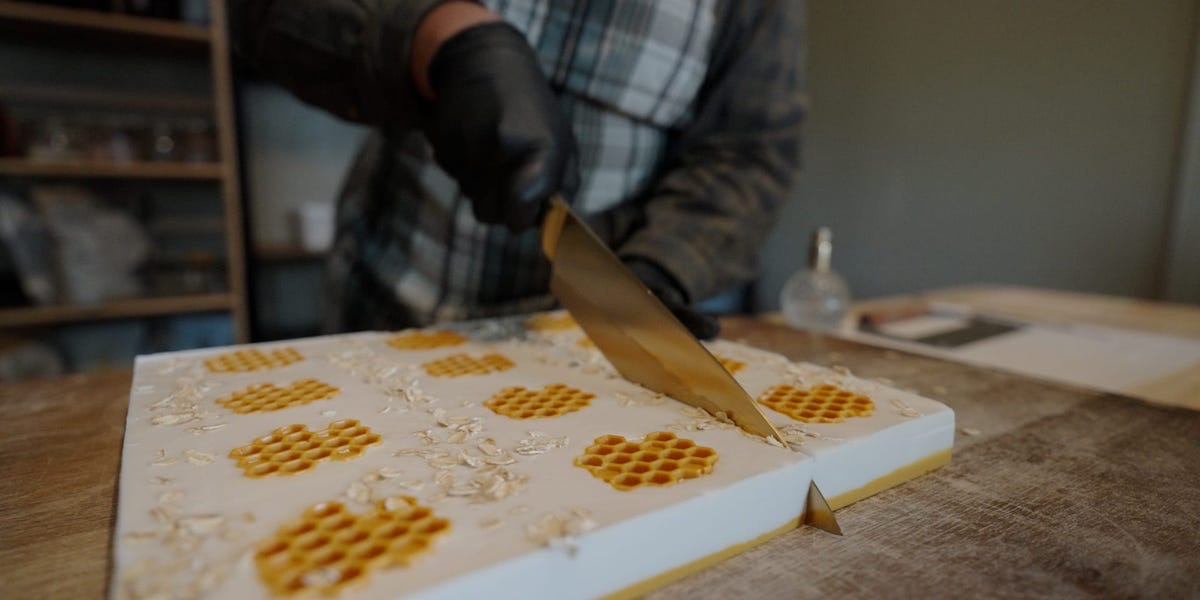
Cai Valdez is an Army veteran. She started making soap as a way to cope with PTSD, the kind of low-stakes, hands-on work that gives the mind something to focus on. What began as a hobby on the side turned into a full-time business. According to Business Insider, Valdez is now on track to make $175,000 a year, more than double her salary as a high school teacher.
The math is simple. A side hustle becomes a real business when the revenue covers your living costs and then some. For Valdez, the income gap with her teaching job was the signal that the venture had moved from experiment to livelihood. Founders who get this right tend to track that gap closely: when the side income starts beating the salary, the question stops being whether to go full-time and becomes how fast you can build the operation.
The source does not break down her margins, headcount, customer count or how much capital she started with, so those details are not available here. What the reporting does show is the path most solo product founders recognize: a product made by hand, a personal reason to keep going, and sales steady enough to replace a paycheck.
If you are testing something similar, start smaller than you think. Sell a few batches, track what repeats, and watch your monthly revenue against your current income. Keep a simple cash report every week so you know your runway before you quit anything. Founders who move from side hustle to full-time usually do it when the numbers have been boring and predictable for months, not when they feel exciting for a weekend.
Valdez's story also points to something larger than soap. Veterans have a long track record of building businesses around skills and discipline they already have, and a product tied to personal recovery can build loyal customers who buy because they believe in the founder. For free-market readers, the lesson is familiar: a person with a useful product, a clear price and no permission slip from a bureaucracy can turn a hobby into a paycheck that supports a family. The government did not hand her the business. Her customers did, one bar of soap at a time, and that is the kind of earned success that holds up better than any subsidy.


