Reid Hoffman says the AI infrastructure buildout is doing more than powering new products. In a 'Newcomer' podcast appearance released Friday, the LinkedIn cofounder said the flood of capital behind data centers is 'the only reason we're not in a recession.'
Hoffman said 'most of that capital' does not stay in the places where data centers are being built. Instead, he said, it is 'more distributed across the country.' In his view, that is a feature, not a bug.
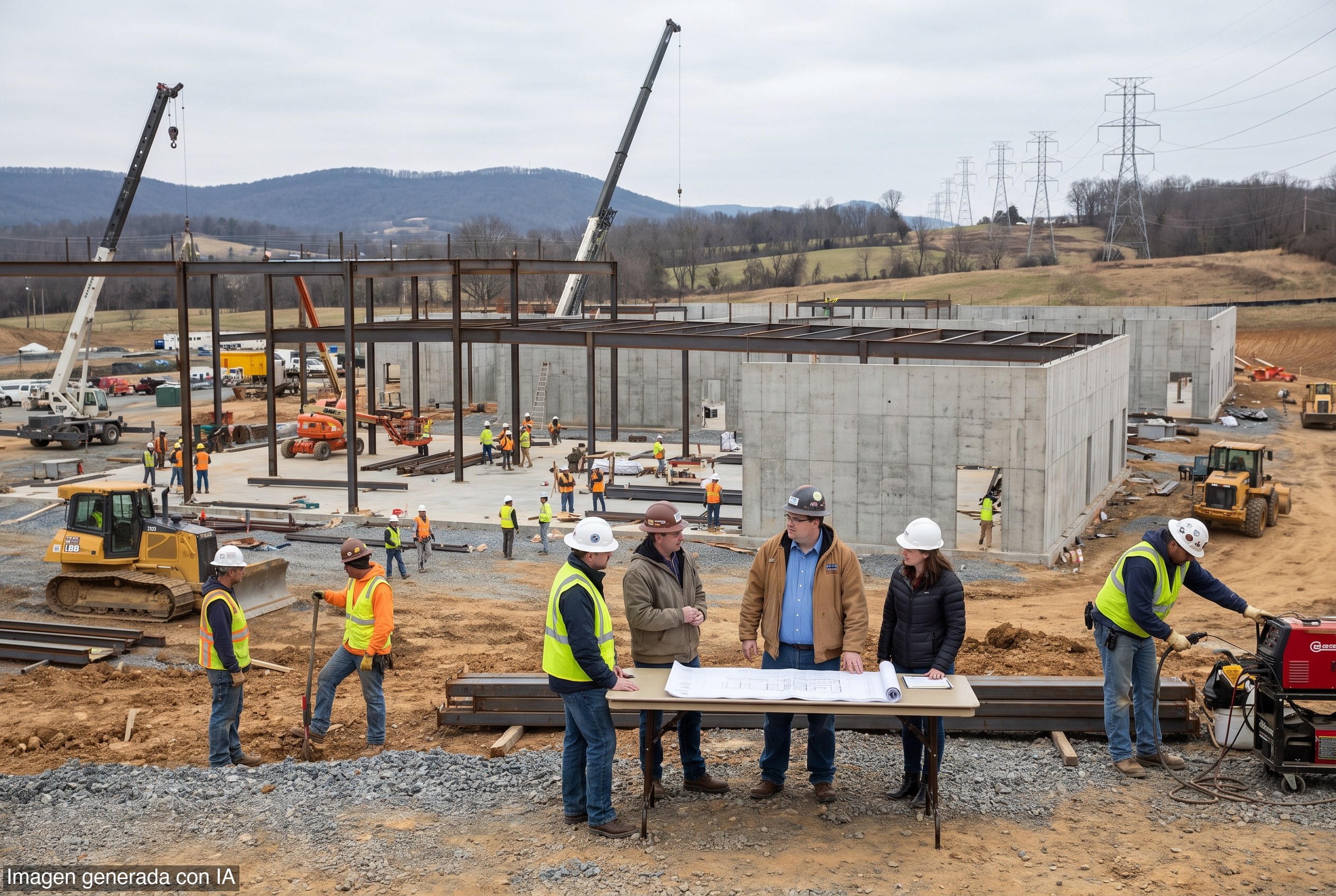
He also said the buildout creates work for construction workers, electricians, carpenters, real estate agents, and lawyers. A 'massive percentage' of the money, he said, is going toward data center construction rather than only to tech companies.
That matters because AI companies like OpenAI, Anthropic, Meta, Google, and others need those facilities to run the products they sell. Hoffman framed the issue as one of fair dealing with local communities, saying builders need to work with residents so both sides get a good deal.
The boom is also running into resistance. Data centers have become a source of bipartisan fury as midterm elections approach, and both Republican and Democratic governors have recently moved to curtail or restrict construction. A Pew Research Center poll released last week found that half of rural Americans said data centers 'are mostly bad for the environment,' up from 32% in January.
Even so, the broader U.S. economy is not flashing recession. The report notes that unemployment remained low despite a disappointing September jobs report, real GDP grew at a 2.2% annual rate in the second quarter, real personal income minus transfers is up from a year ago, and consumer spending is still growing.
For founders and investors, the playbook is clear: the AI boom is now tied to real-world capital spending, local politics, and the energy grid. The upside is obvious — jobs, construction, and infrastructure. But so is the risk: when a growth story depends on massive physical buildout, it can trigger backlash fast, and that can slow the very investment cycle holding up the economy.


