Karen Anderson, 57, says she found a different kind of financial runway in a small village in northwestern France.
After moving from California to the UK in 2011, then spending years splitting time between Britain and France, she bought a house in France in 2016 for €45,000 ($50,450). This year, after her divorce was finalized, she bought another home in France for €59,100 ($66,159).
The big change, she says, is how much simpler the process became. The first purchase involved more than 100 pages of paperwork. The second required only three documents signed electronically.
That lower cost base matters because Anderson now lives on a $900 monthly pension from her former job as a dispatcher. She says that money is enough to cover her mortgage, utilities, home insurance, and car insurance. If she were living in the US, she says she would still need to work just to support herself.
She also points to the French labor model as part of the appeal. In her telling, the US is a place where people 'live to work,' while France is a place where people 'work to live.' She says the standard workweek is 35 hours, and many businesses close from noon to 2 p.m. for lunch.
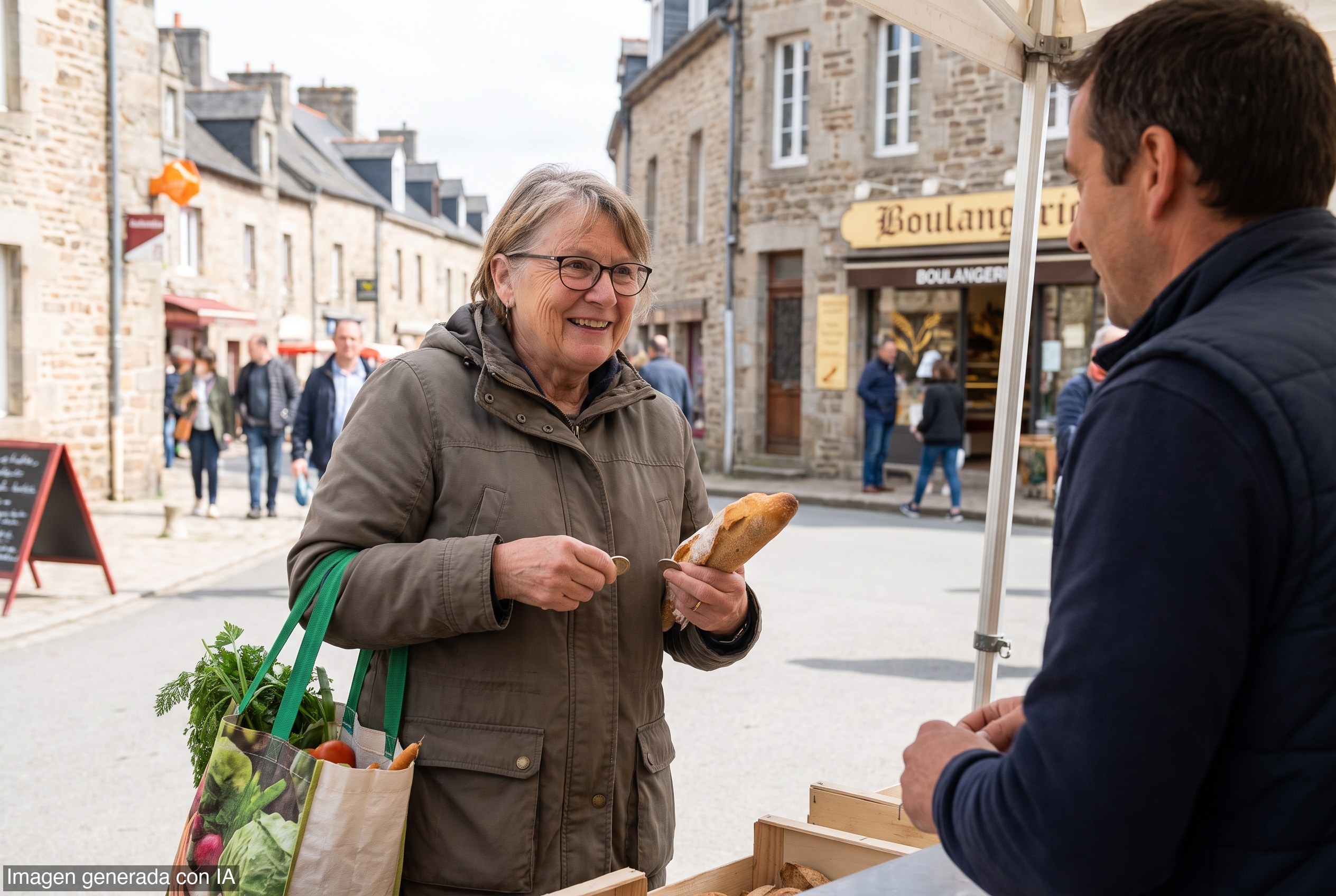
Her village, Saint-Servais, in Brittany, has about 400 people. It does not have a bakery, butcher, or grocery store, so she drives about two and a half miles for groceries and bread. But she says the tradeoff is worth it: less traffic noise, no light pollution, and fewer temptations to buy material things.
There are also practical tradeoffs that founders and operators will recognize immediately. Her home is made of stone and has been 'a bit of a money pit.' It has humidity because the ground floor is underground, and she says dampness is a real problem across Europe because of the cool, rainy climate. Most homes there do not have central heating or air conditioning, so she heats with a wood-burning stove and cuts her own firewood.
Even so, the math is simple. If your fixed income covers the basics, your options widen. If it does not, the whole plan collapses.
That is why Anderson's story lands less like a lifestyle essay and more like a reminder about incentives. Lower housing costs, lighter day-to-day expenses, and a system that can make a modest pension go further can change the entire shape of a life. For people near retirement, that difference is not abstract. It is the line between staying solvent and staying stuck.


