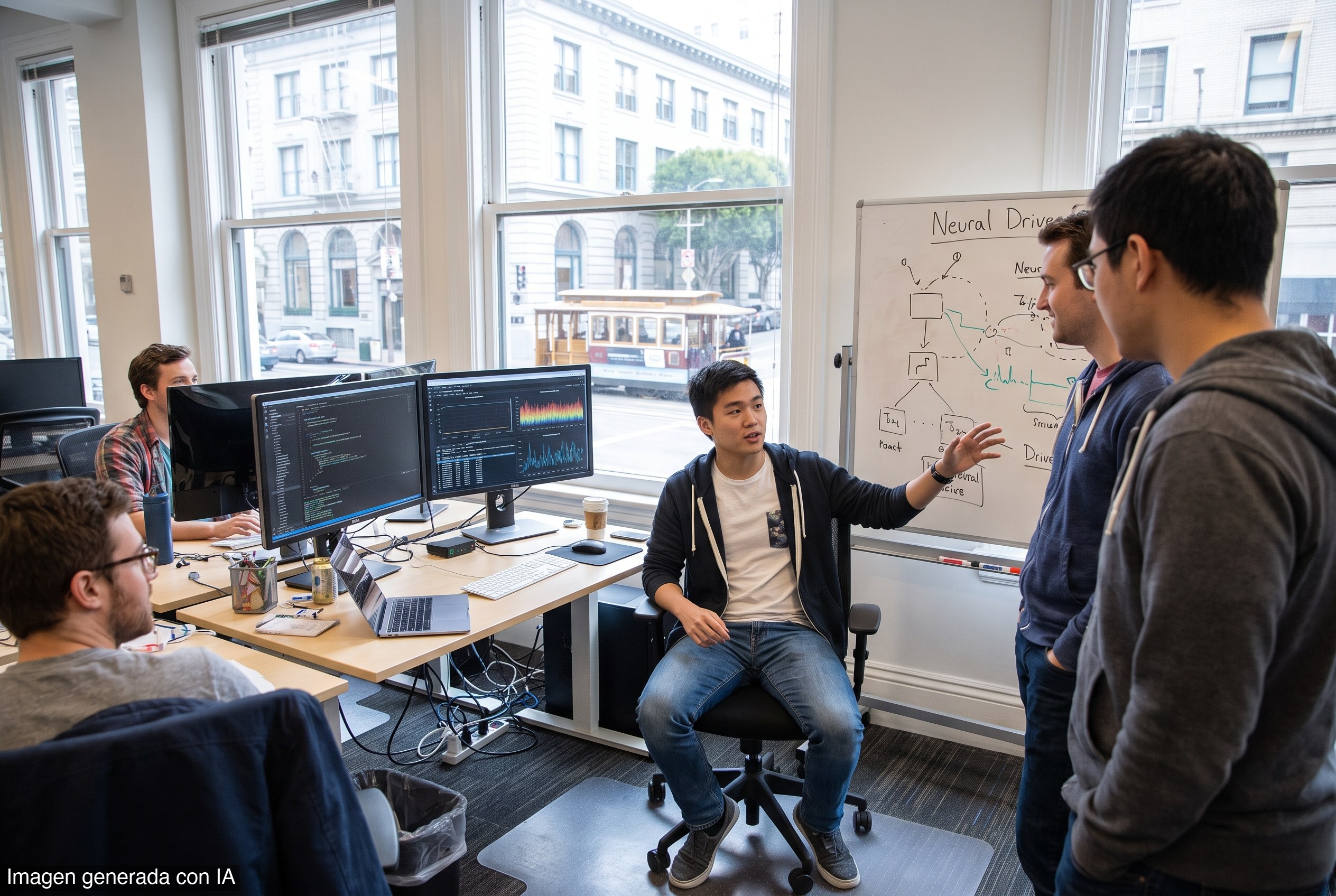
Raymond Loong Ng, 21, put his college plans on hold to keep building a startup in San Francisco.
Ng said he was born in Vietnam and moved to Singapore when he was 9. As a kid, he sold toys, snacks, in-game currency, and sneakers to classmates. Later, he studied applied AI and analytics at a polytechnic and began building projects that turned ideas into real products.
Hackathons became the turning point. Ng said he and his future cofounder competed on different teams, often staying up until 2 or 3 a.m. Eventually, they joined forces and started entering competitions together in late 2023. As AI tools improved, they saw that software-only solutions were getting harder to differentiate, so they moved into hardware.
At a medical technology hackathon in 2025, they built a device to help paralyzed patients communicate through brainwaves and eye blinks. That became their startup, Neural Drive. Ng said the product caught the attention of a local hospital and is set to undergo a clinical trial there.
In June, Afore Capital made a $250,000 pre-seed investment in Neural Drive. Ng and his cofounder then joined Afore's two-month Founders-in-Residence program in San Francisco. By the final week of the program, Afore made a follow-on investment, bringing their total funding to $1 million.
The move came with tradeoffs. College was due to begin in August, so Ng deferred enrollment before classes started. His cofounder requested a leave of absence from school. The two lived in a hacker house in San Francisco's Tenderloin neighborhood while working late into the night.
Ng said they later went through several pivots before landing on Makeable, a startup that lets people describe an idea in a prompt and get back a physical product plan. Makeable can generate everything from the 3D model to the electronics and code, then send users a kit they can assemble themselves.
After the program, they flew back to Singapore to apply for their O-1 visas. Ng said the plan is to return to San Francisco for the next few years and keep building. If it doesn't work out, he said, he can go back to school.
For founders, the lesson is simple: capital buys time, but focus decides whether that time compounds. Ng's story is really about willingness to defer the safe path, stay close to customers and talent, and keep iterating until the market gives you signal.
That is the part worth watching. The money matters, but the bigger edge is speed: two builders, one room, and a clear feedback loop. Founders who get that right move faster than teams still waiting for permission.


