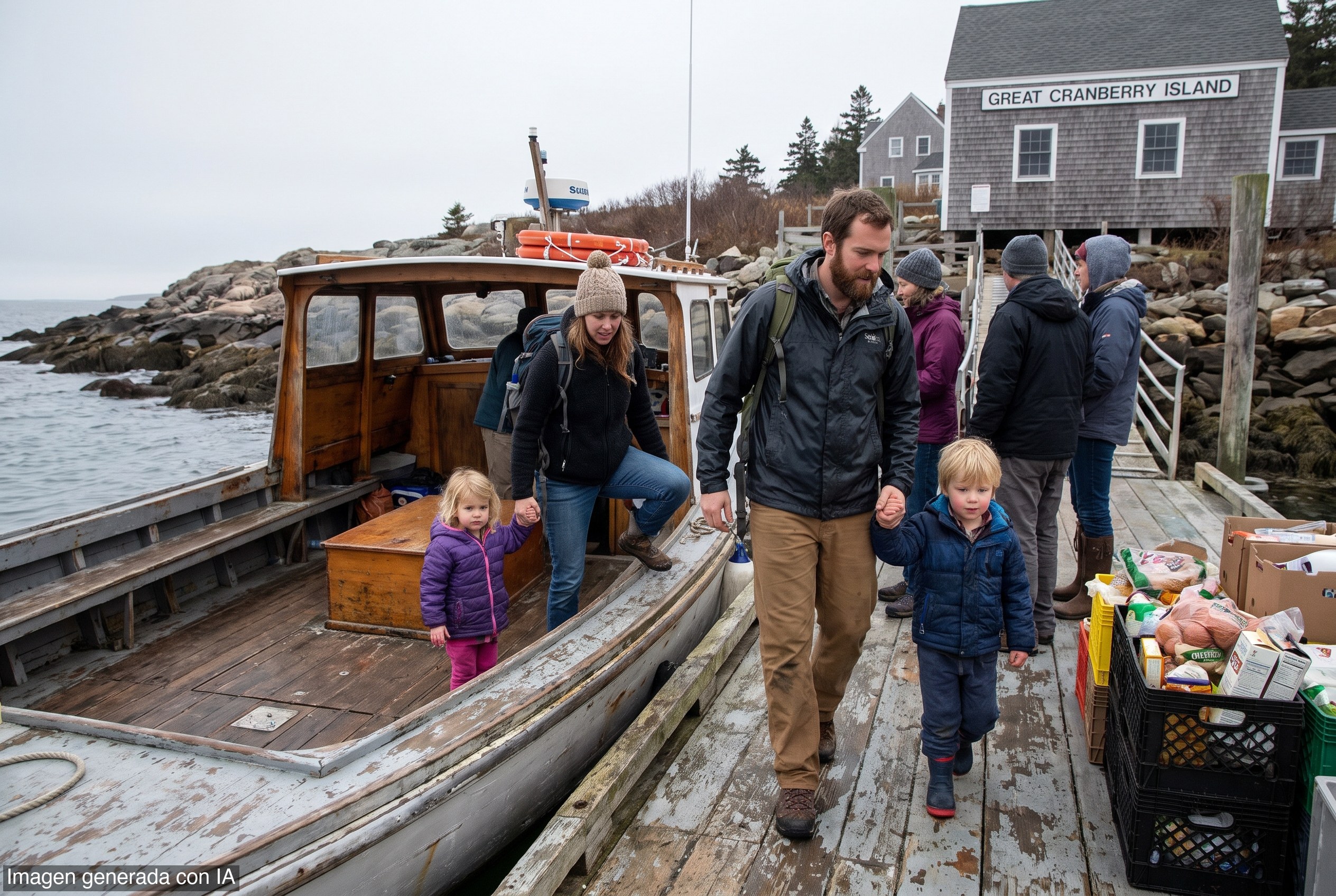
A remote job opened the door for Kevin and Jenna Mann to leave Indiana and look farther afield for housing. What they found was a three-bedroom house on Great Cranberry Island, off the coast of Maine, priced at $1,000 a month.
The listing initially looked almost too good to be real. The only picture was a blueprint, and the house had not yet been built. But after more digging, the couple learned the project was being led by the Cranberry Isles Realty Trust, which provides affordable year-round housing on Great and Little Cranberry Island.
For the Manns, the appeal was not just the rent. They wanted to get back to the coast, and they wanted a place where their baby could grow up around nature and a close community. The island offered around 60 year-round residents and 250 in the summer, plus a slower pace than the places they had lived before.
That slower pace came with real constraints. The island is accessible by boat, and the mail boat also carries packages and passengers. The family leaves its car behind and makes the 20-minute trip to the island by boat. Grocery runs and doctor visits can take a full day, and ferry schedules shape when they have to return.
Weather adds another layer. When the wind keeps boats from running for several days, they have to keep extra diapers on hand. Winters are long, and isolation can creep in.
Still, the family says the tradeoff has been worth it. They describe a quiet place with no highways, ocean views, and a community that helps one another when needed. Their two boys, now ages two and three, roam trails, collect sea glass, and greet neighbors by name.
Here's the playbook: housing affordability can redraw a family’s map fast, especially when remote work removes the commute from the equation. For founders and workers alike, location is no longer just about salary or square footage; it is about what your budget can actually sustain.
The math is simple. If a home that fits your life costs $1,000 a month and everything else is manageable, the market has already told you where your leverage is. The hard part is accepting the tradeoffs that come with it. In this case, that means less convenience, more planning, and a stronger reliance on community than most suburbs ever demand.


