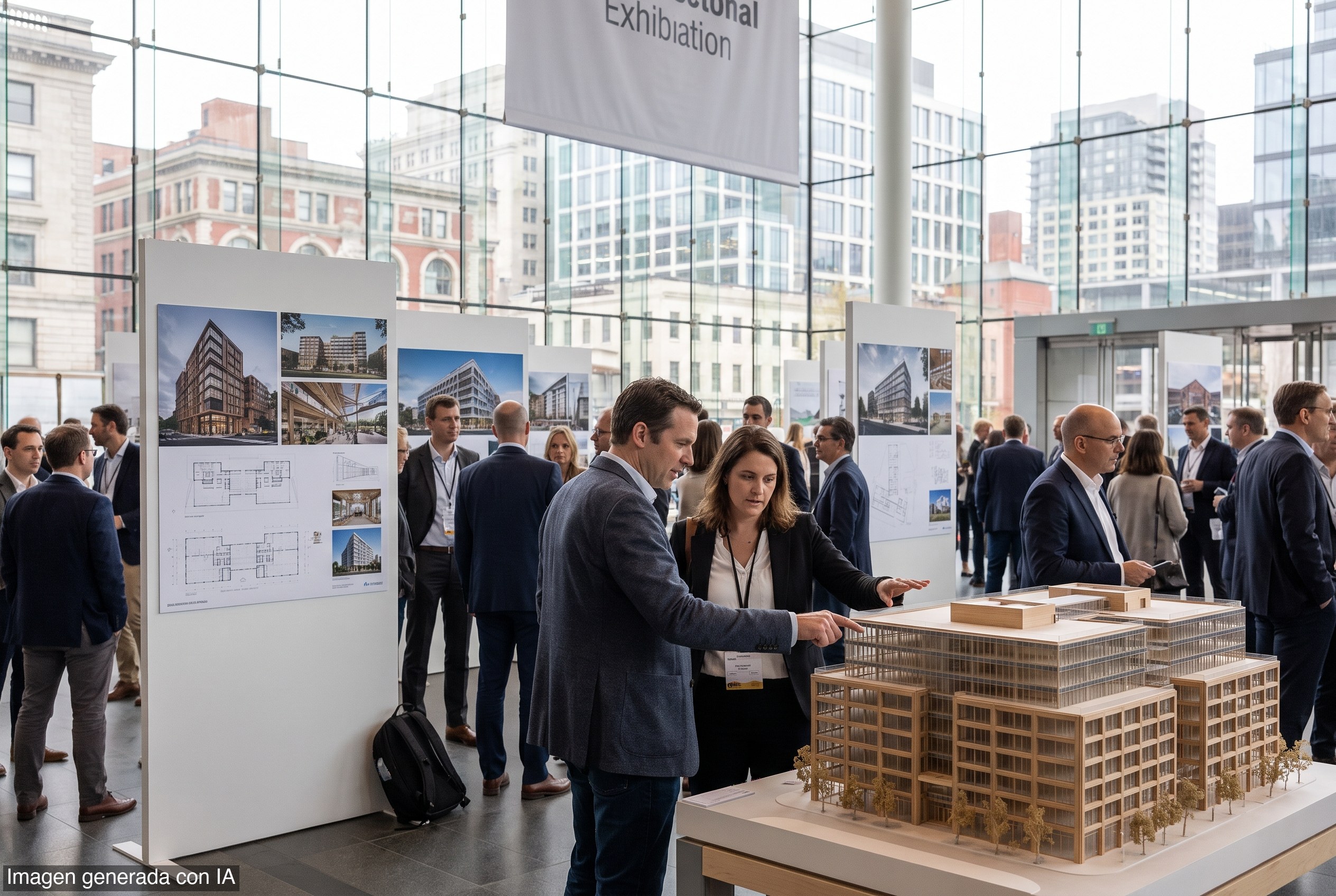
The World Architecture Festival shortlisted 416 projects for 2026, then narrowed the field across four major categories: completed buildings, future projects, interiors, and landscape. Finalists will present in Fort Lauderdale, Florida, in November, and 164 judges from 37 countries will help choose the completed-building winner.
Business Insider highlighted 18 completed projects from that shortlist. The lineup includes JPMorgan's new headquarters on Park Avenue in New York City, a 60-floor tower designed for 10,000 employees and described by the festival as an all-electric building with 2.5 million square feet of 'flexible and collaborative space.'
Other projects point to a different kind of value creation. Alila Mayakoba in Riviera Maya, Mexico was extensively renovated between 2025 and 2026 and was recognized in the retrofit category. The redesign centered on a reflecting pool that brings natural light and ventilation into the lobby, and the restaurants, wellness facilities, and social gathering places were redone with community in mind.
Several projects lean hard into self-sufficiency and lower operating dependence. The Amami House on Amami Island, Japan is completely off the national power grid and relies on solar energy. Sakai Architects designed it so the owners could live independently in response to concerns about climate change, population decline, and environmental pressures, according to the World Architecture Festival.
Aqualuna in Toronto brings another version of that idea: 215 residential units, each with outdoor space such as terraces or balconies, plus a central courtyard with shared amenities. In India, Ayana was built into the grasslands of Sholayur to follow the contours of the landscape. In China, Folia combines a hotel, offices, retail, and apartments in five stepped buildings inspired by the surrounding bamboo forest.
The list also includes projects that repurpose old assets instead of starting from zero. Citadella in Budapest was turned into The Bastion of Liberty, a museum and free park for the city. The Mehrangarh Fort Visitor Centre in India kept the essence of the fort intact while adding walkways, courtyards, and refreshed historical features. Mercado Nicolás Bravo in Quintana Roo, Mexico is a crafts market that also serves as a community center.
For founders and investors, the pattern is clear. The market is rewarding projects that reduce energy dependence, reuse existing assets, and create spaces people actually use. That is not just design language; it is capital discipline, operating efficiency, and better long-term economics.
The bigger lesson is that the best buildings are being asked to do more with less friction. They have to attract users, lower operating costs, and make public or private space more functional. In a tighter cost environment, that is the kind of design logic that travels well.


