Robert Pattinson is officially the next James Bond, and one London reader decided to get ahead of the hype. Business Insider's Roya Shahidi visited as many of the city's Daniel Craig-era filming locations as she could, and the walk she mapped out is a useful lesson in how London makes money from its own mythology.
The route covers 14 sites from Craig's four films after 'Casino Royale,' which was not shot in London. Some are headline landmarks; others are back streets and restaurants in the city's most expensive neighborhoods. Shahidi said the full tour is doable in a day and took her about five hours, with two pit stops and a short visit inside the National Gallery, which offers free entry.
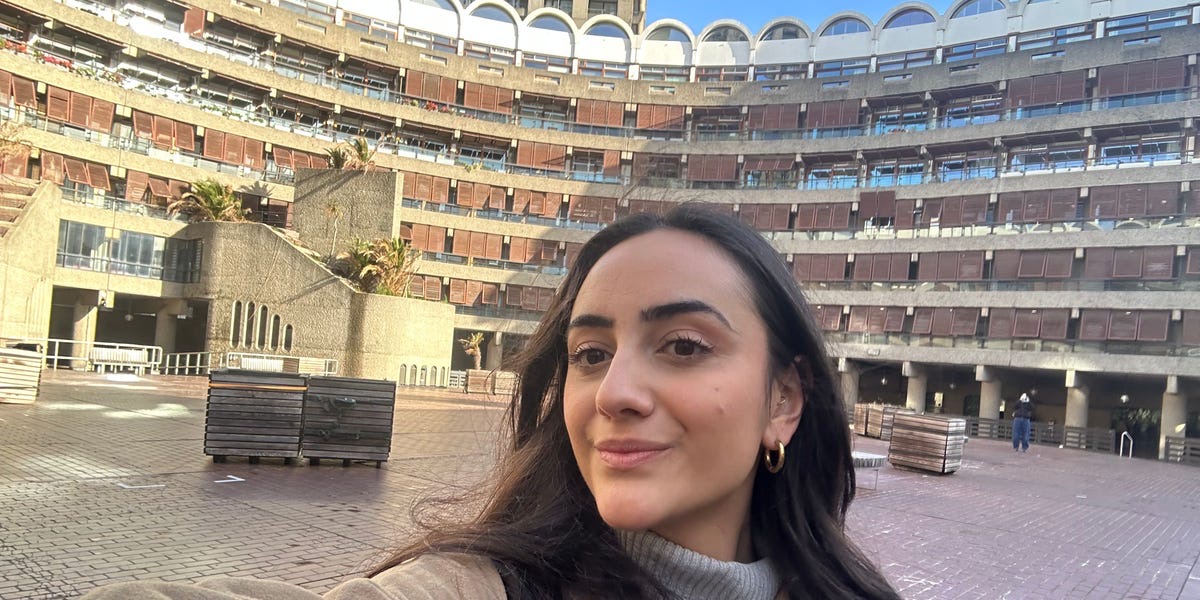
The details are telling. The Barbican, which she calls one of her favorite underrated spots, is a residential complex with restaurants, bars, a library, a theater and a cinema. Across from it, Smithfield Market is described as London's famous and historic wholesale meat market. Shahidi also points to Simpson's Tavern, which she says was founded in 1798 and is the oldest restaurant in London. She has not eaten there yet, calling it pricey, but says she plans to.
The pattern is clear. The city's most cinematic spots are commercial assets: a members' club tradition, a restaurant with two centuries of history, a market, a gallery that is free to enter. Freemasons' Hall, with its Art Deco interior, sits in the same district. Private enterprise and historic institutions do the heavy lifting of making London feel like the 007 universe, and visitors spend their money accordingly.
For founders, the playbook is straightforward. A city's identity is an asset that someone has to build, maintain and monetize. The businesses that survive for centuries, like the tavern and the clubs on Pall Mall, do it by serving customers who want the experience, not by waiting for a film crew to arrive.
What this means for the next era of Bond is simple. Whenever Pattinson's films bring new visitors, the economic winners will be the restaurants, hotels and private venues that were already open for business. Freedom to operate, clear property rights and a tourism market that rewards quality are what turn a movie location into a lasting draw.


