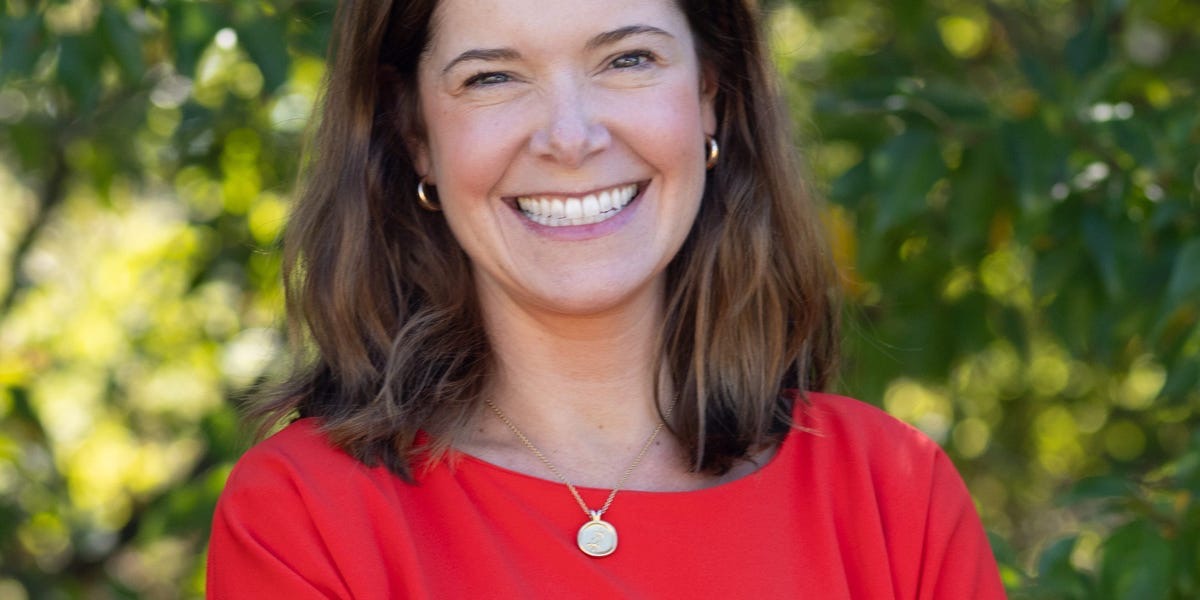
Maine has the oldest population in the nation, and the work at AgeMaine, which provides home and community-based support for older adults and their caregivers, shows what happens when families wait too long. Megan Walton, the organization's CEO, says the pattern repeats every day: a sibling coordinating appointments between work meetings, a spouse providing increasingly complex care without training, or a sandwich caregiver trying to keep a parent safe at home while raising kids.
The math on unpaid care is the part founders should notice. Walton says families are carrying the bulk of older adults' care without pay, and that caregivers often give up career opportunities, retirement savings, income and sometimes their own health. 'We have constructed a society and a system that depend largely on unpaid family caregivers without building any infrastructure to sustain them,' she said. Her framing is clear: it is an economic issue, a gender equity issue and a workforce issue.
Here's the playbook she recommends.
1. Start the conversation years early. Don't wait for a crisis. Ask parents, siblings and spouses what life looks like if more care is needed, or after an unexpected fall or diagnosis. Walton notes there is a hesitancy to have this talk, but deciding where to live and who to be surrounded by is far easier when no one is in a hospital hallway.
2. Assign roles based on strengths. With all siblings in the room, identify who is good at financial paperwork, who can visit every month and who can coordinate home health. Everyone can have a role. Treat it like any team: figure out where each person fits and how each can contribute.
3. Plan for aging in place. Many people default to nursing homes or assisted living, but most older adults want to stay at home in their own communities. Ask what resources, services or support would let a parent stay put. Walton points out that aging in place can mix paid help, such as with laundry and cooking, with unpaid help, like a neighbor who handles weekly grocery runs.
4. Treat your parent as the decision-maker. Families often start managing an older loved one like a child. Walton's advice is to remember that this person has decades of experience and knows their own priorities better than anyone. Giving them choices about where they live, their independence and their dignity is central, and families should listen and include them rather than decide for them.
5. Get the paperwork done before the crisis. Advance directives, powers of attorney and wills are not glamorous, but they prevent enormous stress later. Document wishes, record where important information is kept, understand the family's financial situation, know which resources exist and confirm what insurance does and does not cover. You don't need every answer, but a working grasp of the financial landscape gives the older person and the family far more options from day one.
Walton also urges caregivers to build a circle of support for themselves, not just for the person they are caring for. Caregivers often pour everything into stabilizing a loved one after a hospital stay and forget their own capacity.
The editorial takeaway for families and the businesses that employ them is this: the cost of unpaid care is real, and it is borne by individual households rather than by any formal system. Planning early is the most effective way to keep decisions, money and independence in the hands of the people who have the most at stake. Individuals who prepare now protect their own finances, careers and dignity, and their employers keep talent that would otherwise be pulled out of the workforce by an avoidable emergency.


