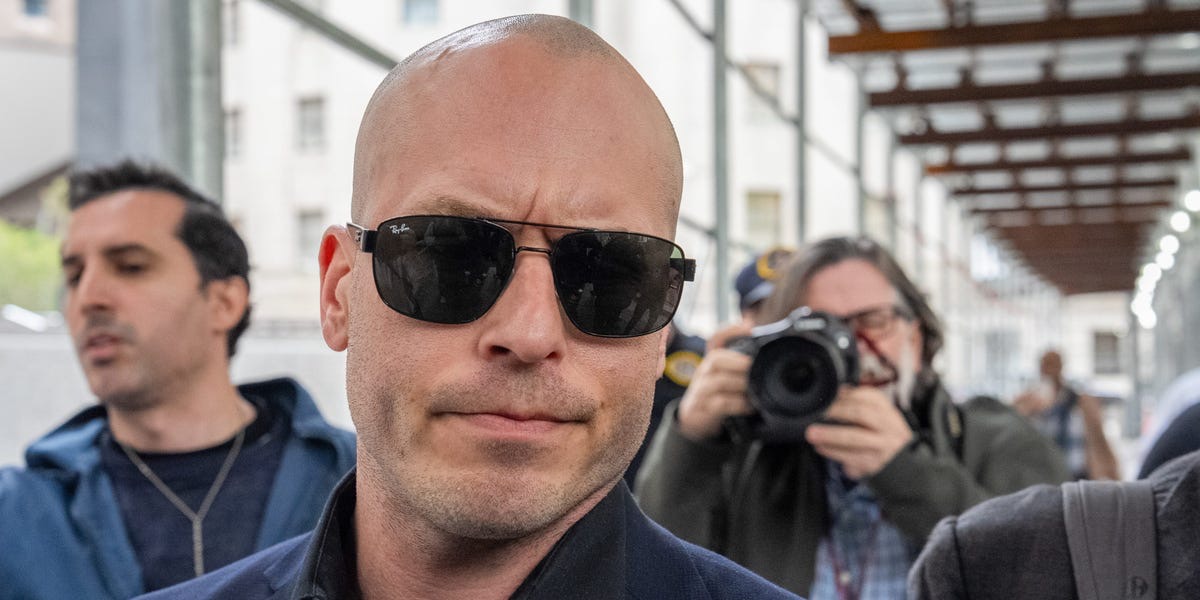
The US soldier charged with using military secrets to place profitable trades on Polymarket is facing a new allegation just weeks before his trial, and it could be damaging to his defense.
Gannon Van Dyke, a Special Forces master sergeant who worked out of Fort Bragg in North Carolina, was arrested in April. He is accused of winning more than $400,000 by wagering on Polymarket on whether the US would take action in Venezuela or against its then-president, Nicolás Maduro. Prosecutors have said Van Dyke was involved in the planning and execution of the operation to depose Maduro and had access to classified information about it.
In a November 11 letter to Van Dyke's legal team, prosecutors said new evidence would show that 'between at least in or about 2024 and in or about October 2025, Van Dyke photographed information marked classified from U.S. Government systems using his personal cellphone.'
Prosecutors argued that the material is admissible to show Van Dyke's opportunity to access classified information, his knowledge that information obtained through his job may be classified, and an absence of mistake or accident in handling it. They cited Rule 404(b), which allows evidence of unrelated acts to be introduced at trial under certain circumstances.
Van Dyke's lawyers are pushing back. In their motion, they argued the prosecution has not met that legal bar and accused the government of 'an attempt at unfair surprise.' They wrote that 'the prosecution seeks only to muddy Mr. Van Dyke's reputation by alleging he committed another purported bad act, not charged, involving classified information.'
Van Dyke, who pleaded not guilty and is out on bail, is scheduled to face trial on December 7. That date could still slip, as last-minute legal matters are being litigated.
What this means for the rest of us is straightforward. Access to classified information is a privilege that comes with strict obligations, and a soldier with a personal phone in a sensitive environment is exactly the kind of risk those rules exist to prevent. Whatever the court ultimately decides about this evidence, the principle is clear: public trust in national security depends on consistent accountability, not on who has the access. Founders who work with government contracts or sensitive data should take the lesson seriously. Handling protected information carelessly is not a gray area, and the cost of getting it wrong can outlast any short-term gain.


