Here's the playbook for what this case means for your company. A Saudi engineer at OpenAI allegedly wanted a better way to secretly record meetings, and according to prosecutors, he turned to Codex, the company's own popular coding product, to get it done.
The details come from a filing made Monday by US attorneys, who cited OpenAI records. Prosecutors say Abdulrahman Alfozan used Codex to modify a recording device of the same kind OpenAI had found tucked behind a TV in a meeting room. They allege he asked the tool to add a voice-detection skill and used it to organize his recordings in Dropbox.
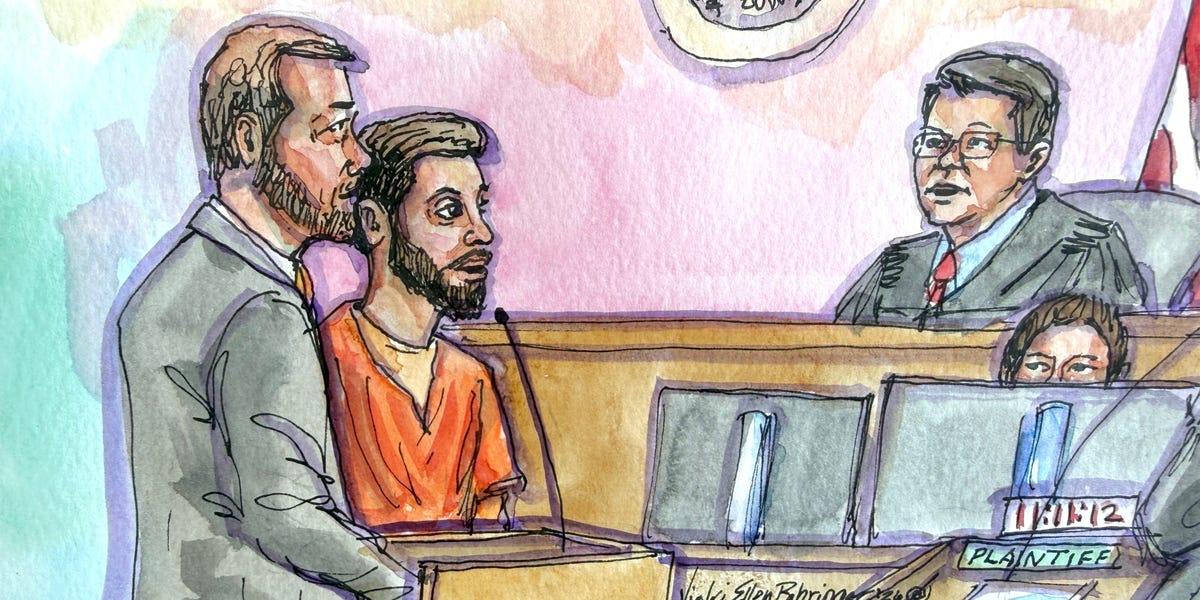
The Justice Department arrested Alfozan on October 9 and charged him with using a device to intercept oral communications. He has pleaded not guilty. A magistrate judge deemed him a flight risk and ordered him detained while he awaits trial.
His defense lawyer, David Rizk, has asked a federal judge to release Alfozan on a $1 million bond. Rizk argued that prosecutors have not yet presented evidence supporting more severe charges, such as espionage or theft of trade secrets. Four of Alfozan's friends, all US citizens, have agreed to put up money for the bond.
Prosecutors paint a different picture. They wrote that the investigation is ongoing and that there is already evidence Alfozan would try to flee if released. They said he exchanged WhatsApp messages with a member of the Saudi royal family indicating he might apply for a job at Echelon, a Riyadh-based AI company, 'after the IPO,' an apparent reference to OpenAI's expected public offering next year.
The filing also described what investigators found. Photos on his cellphone showed a document marked 'CONFIDENTIAL' detailing a 'strategic partnership' between OpenAI and another company. Audio files on his personal computer included 'dozens of recordings of conversations' from throughout September, some of which, the filing says, 'involved discussions of what appears likely to be confidential trade secret material.' Prosecutors also said Alfozan used his wife's account to prompt Codex.
At a hearing last week, Assistant US Attorney Nick Parker said the investigation includes the recording device, five devices taken from the couple, and records and surveillance footage from OpenAI. Neither OpenAI nor Rizk immediately responded to requests for comment.
The math is simple for founders. Every meeting room is a potential exposure point, and every employee with access to your tools is a potential insider risk. Start smaller than you think: audit who can access your AI tools and what data they can export, and ask whether your sensitive conversations happen where they should.
The allegations are not yet proven. Alfozan has pleaded not guilty, and the case will turn on what the evidence ultimately shows. Still, the core lesson stands: the more capable the tools in your hands, the more disciplined your access controls need to be. A hearing on the new release motion is set for Tuesday before Magistrate Judge Alex Tse, who rejected the original bid.


