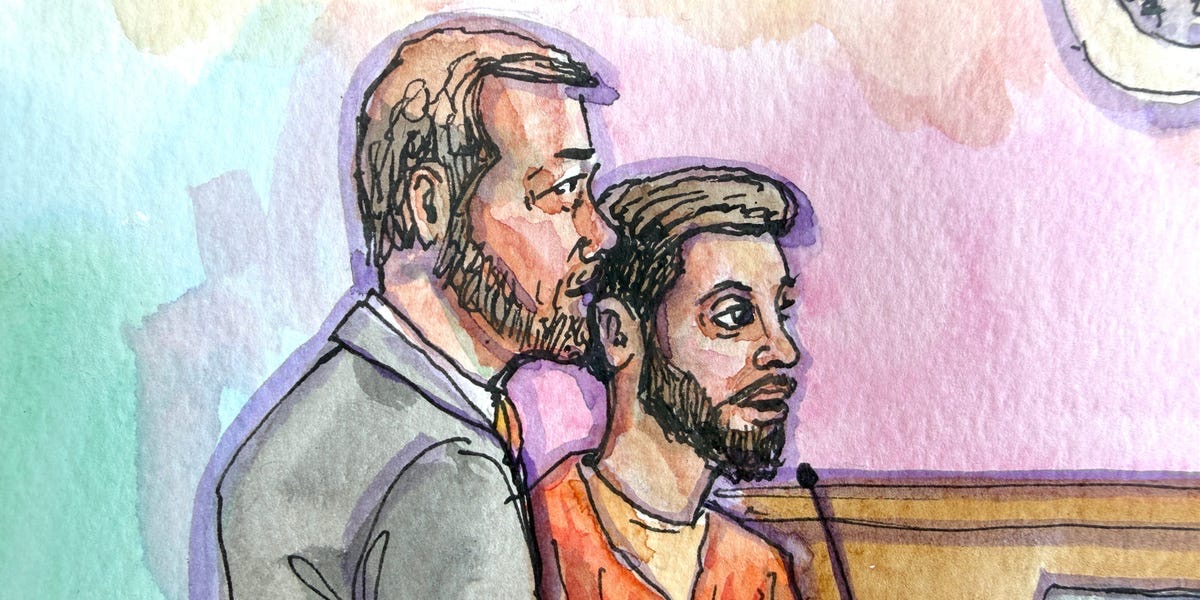
The former OpenAI engineer Abdulrahman Alfozan, who was fired and arrested in October on allegations that he bugged the company's office, is set to be released on a $1 million bond. He will be freed once his $500,000 share of that bond is posted, likely on Wednesday, and he is expected to be home in Millbrae, California, for Thanksgiving. He will wear an ankle monitor.
The decision came from Magistrate Judge Alex Tse at a Tuesday hearing, a sharp turn in a high-profile case. Tse had previously ordered Alfozan held in detention over concerns that he might flee to his home country of Saudi Arabia. Alfozan then switched to defense attorney David Rizk, who pressed for his release. Rizk criticized the prosecution for surfacing discovery evidence too slowly and said it had not revealed anything showing that Alfozan was a 'spy' who had committed economic espionage.
The charge is intercepting oral communications, and Alfozan has pleaded not guilty. Assistant US Attorney Nick Parker said Alfozan still holds shares in OpenAI that he can cash out after the IPO. Rizk told Business Insider he was 'glad the court made the right decision,' and said that if Alfozan's release goes smoothly, he plans to ask for a delay in the trial, which is currently scheduled for January.
Here's the playbook for founders. The math on a case like this is simple: a single compromised meeting room can expose product roadmaps, pricing and fundraising strategy, and a company's position in a negotiation. Insider risk is not only a problem for AI labs with valuations in the billions. Any startup with a pipeline of customers and investors has something worth listening in on.
Start with access. Map who can enter which rooms, which devices are allowed in sensitive meetings, and who holds keys, badges and admin rights. Revoke access the same day someone leaves, and log it. Then audit the physical space. Sweeps for unauthorized devices are cheap compared with the cost of a leak during a funding round.
Finally, treat your own staff as part of the threat model, without turning the office into a surveillance state. Clear confidentiality agreements, role-based permissions and a short, written incident response plan let you act quickly if something looks wrong. Founders who build these habits early move faster when the stakes rise, and they spend far less time explaining to investors what went wrong.
The allegations against Alfozan are just that: charges that a court will weigh at trial. For founders, the lesson stands regardless of the outcome. Protecting your office, your data and your deal flow is basic operating discipline, and it costs far less than recovering from a breach.


