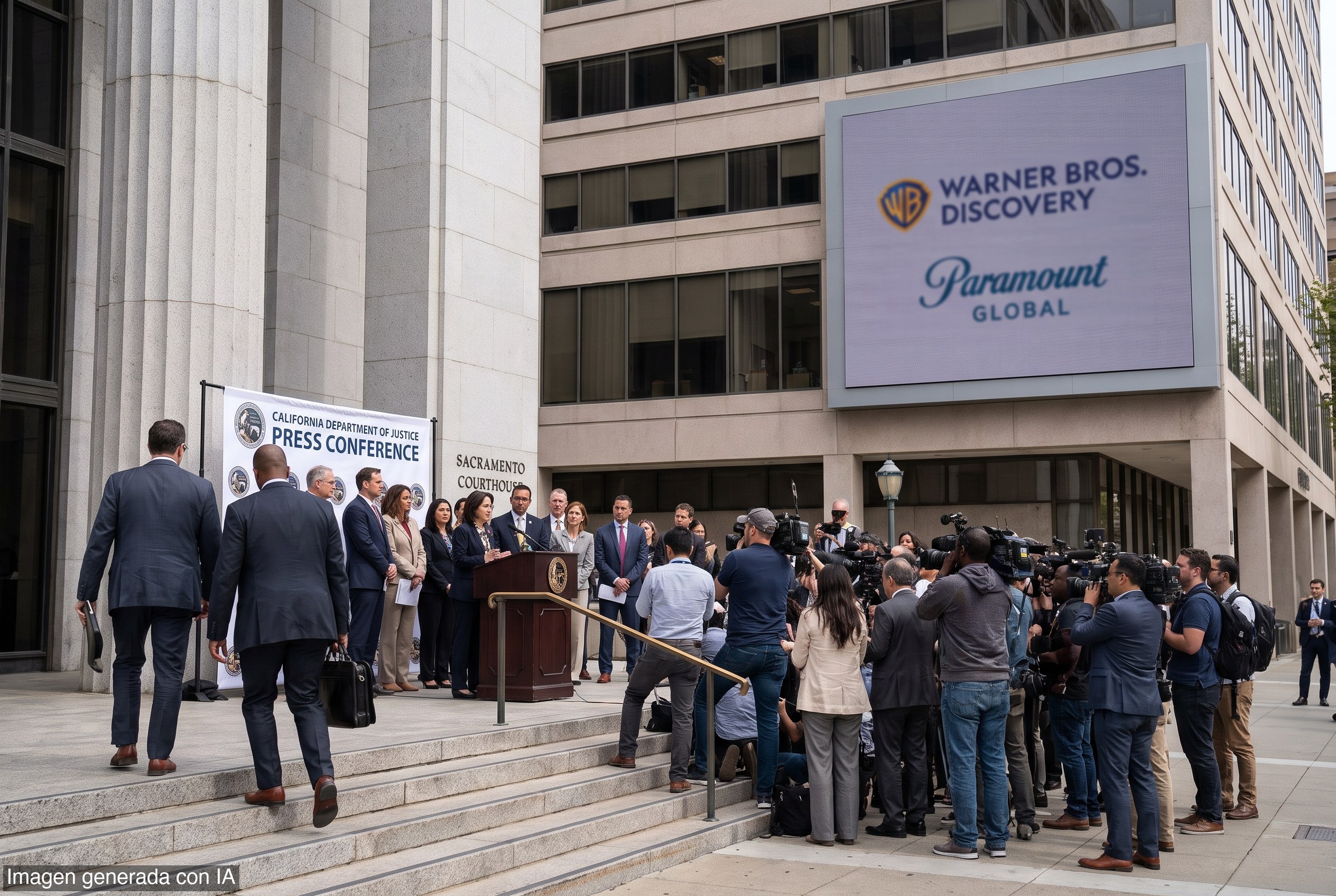
Larry and David Ellison are moving closer to closing their $111 billion acquisition of Warner Bros. Discovery after Paramount settled a lawsuit brought by California and several other states.
That settlement matters because it removes the last major regulatory obstacle in the path of the deal. With that challenge gone, there are no longer any serious regulatory hurdles standing in the way of final approval.
The acquisition would give the Ellisons combined control of major media assets, including two movie studios, HBO, and TV networks such as CBS and CNN, along with dozens more.
Rob Bonta, the California attorney general who led the antitrust case, said he wanted 'structural' changes to clear a Paramount/WBD deal, meaning changes that would have forced the Ellisons to sell off part of the combined business. He did not get that.
Instead, the main concession was an 'enforceable commitment' that the Ellisons' studios will make at least 30 movies a year. Bonta said Monday, 'I didn't believe these two companies should merge. I still don't.'
The settlement also comes after months of pressure and counterpressure around the transaction. Paramount had earlier faced a bidding contest when Netflix agreed to buy some of WBD before later walking away. Paramount then kept pushing forward, with financing personally guaranteed by Larry Ellison.
Trump's DOJ signed off on the deal in June, and later filed in support of Paramount in the states' suit. The article also says regulators and politicians around the world approved the deal.
For founders and investors, the lesson is blunt: when a buyer has nearly unlimited capital and political wind at its back, delay is often the only real defense. That can slow a deal, but it does not always change the outcome.
The bigger issue is concentration. A family with the resources to outlast regulators can end up controlling more of the media stack, while state attorneys general are left bargaining for promises instead of structural remedies. In this case, the state got a pledge on movie output, not a breakup. That is the kind of result that leaves the market unchanged and the balance of power intact.


