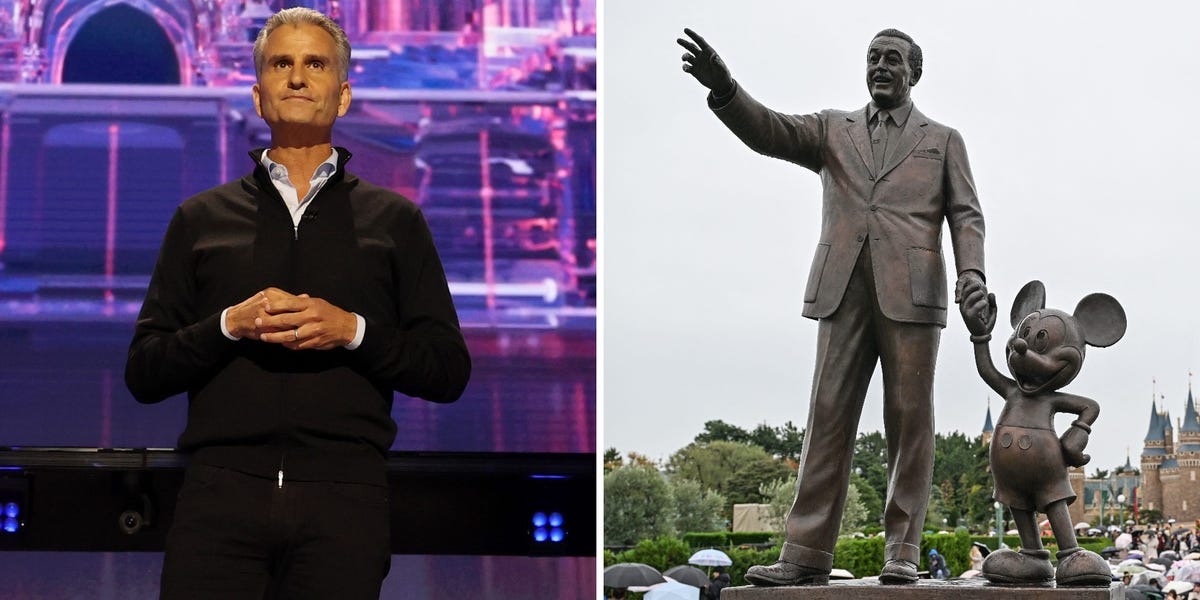
Disney is preparing another round of layoffs, and the company is not hiding it. Finance chief Hugh Johnston told CNBC, 'We do expect more layoffs,' as Disney announced earnings that beat analysts' expectations.
Johnston did not share the timing or scope of the coming cuts, and Disney's shareholder letter offered no details either. What the company did put on the table is a number: it expects to deliver $3 billion in annual savings by fiscal year 2029 from a cost-cutting program. Disney says those savings will be 'used primarily to fund future growth.'
For the people inside the company, that phrase lands differently. Employees have been on edge after several substantial rounds of layoffs this year, and press reports have pointed to more cuts ahead. Business Insider reported this month that streaming staffers pressed their bosses in a town hall for answers about the timing and size of the next reductions.
The cuts come alongside a tech-focused hiring push. Disney plans to pay about $60 million a year for 66 employees from Character.AI, the chatbot startup that filed for bankruptcy in October. The company also hired former Character.AI CEO Karandeep Anand to serve as its tech chief. In other words, Disney is cutting in some areas while buying talent and capability in others.
Here's the playbook, and it is one every founder should study. Large companies rarely cut headcount because they are out of money. They cut to reallocate: shrink the cost base, protect margins, and redirect dollars toward the bets leadership believes in. Disney's framing, savings that fund growth, is the corporate version of a founder moving runway from legacy costs to the product that will actually bring in revenue.
The math is simple. If you can cut overhead and put the same dollars behind AI talent or new products, you are making a bet on the future with money that used to sit on the payroll. The risk is that morale and institutional knowledge leave with the people who get cut, and that the new hires do not deliver on the timeline you promised investors.
Smaller companies should take two lessons. First, communicate early and specifically when you need to reduce costs, because vague signals breed fear and slow your best people down. Second, tie every cut to a clear use of the savings. Disney has given investors a target, $3 billion by fiscal 2029. Your team deserves the same clarity about where the money is going.
Start smaller than you think. Model your burn, identify the roles that do not move revenue, and decide what you would fund with the difference before you need to make the call.


