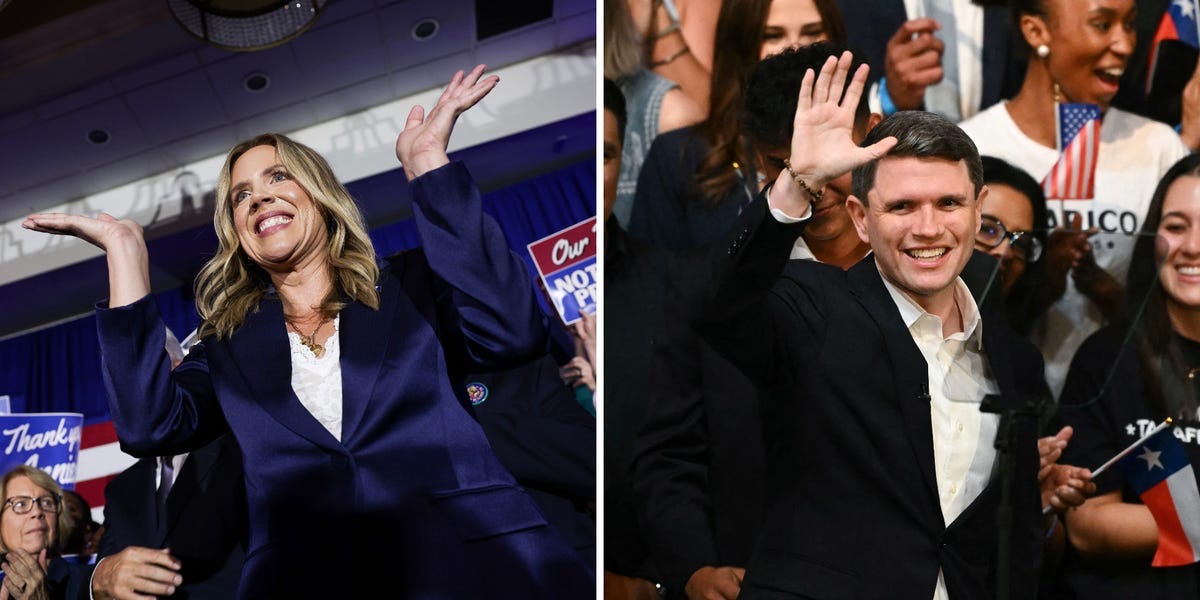
Democrats have flipped nine Republican-held U.S. Senate seats in the 2026 midterm elections, either by defeating incumbent Republican senators or winning races where the sitting senator was not on the ballot. The last and ninth flip came in Alaska, where Mary Peltola defeated incumbent Republican Sen. Dan Sullivan with 50.1% of the vote. The Associated Press called the race two weeks after Election Day.
The final count gives Democrats 56 seats in the next Senate, against 44 for Republicans. The party also won back the House of Representatives, so it will control both chambers of Congress for the last two years of President Donald Trump's term.
The map is what should worry anyone who builds a company for a living. Democrats took Maine's seat from Sen. Susan Collins, who had served for 30 years, with Troy Jackson winning 53.8% of the vote. Sherrod Brown won Ohio with 50.0%. Roy Cooper flipped North Carolina with 58.7%, and Josh Turek took Iowa, a state that had not elected a Democratic senator since 2008. Texas, long a Republican bastion, went to James Talarico with 55.1%, the first Democratic senator from Texas since 1988. Kansas, Mississippi and South Carolina also changed hands.
The pattern matters more than any single race. Many voters across the country cited cost-of-living issues as a factor in how they cast their ballots, according to BBC reporting. In Alaska, Peltola told voters that the 'status quo in DC is not working,' describing elders with 'empty fish racks' and rural families choosing between heating their homes and buying food.
What does this mean for the people who sign payroll? A Democratic Senate and House will have different priorities on spending, taxes and regulation than the Republican majority they replace. Expect more scrutiny of federal programs, more oversight hearings and a sharper contest over who pays for them. Every dollar of taxpayer money committed to new programs is a dollar that has to come from somewhere, usually from the private sector that creates the jobs.
The Alaska race also showed how hard-fought these contests became. Peltola's campaign faced a New York Times report that her team had worked with people who tried to recruit so-called spoiler candidates, a claim her campaign has denied knowledge of, and both the Justice Department and Alaska's Republican governor said they would investigate. A federal judge dismissed a Trump administration lawsuit that sought to halt certification if Sullivan lost. Ranked-choice voting and two weeks of counting in a remote state meant the outcome took a long time to confirm.
For founders, the lesson is practical. Political control changes the rules on contracts, procurement, tax treatment and regulatory approval, and those changes arrive on a timeline you cannot control. Build a plan that survives a shift in policy: keep your cost base lean, watch how the new committee chairs set their agenda, and do not assume the rules you planned around will still apply in 2027. Private capital and free enterprise still create the wealth that any government has to tax, and that reality does not change with the majority.


