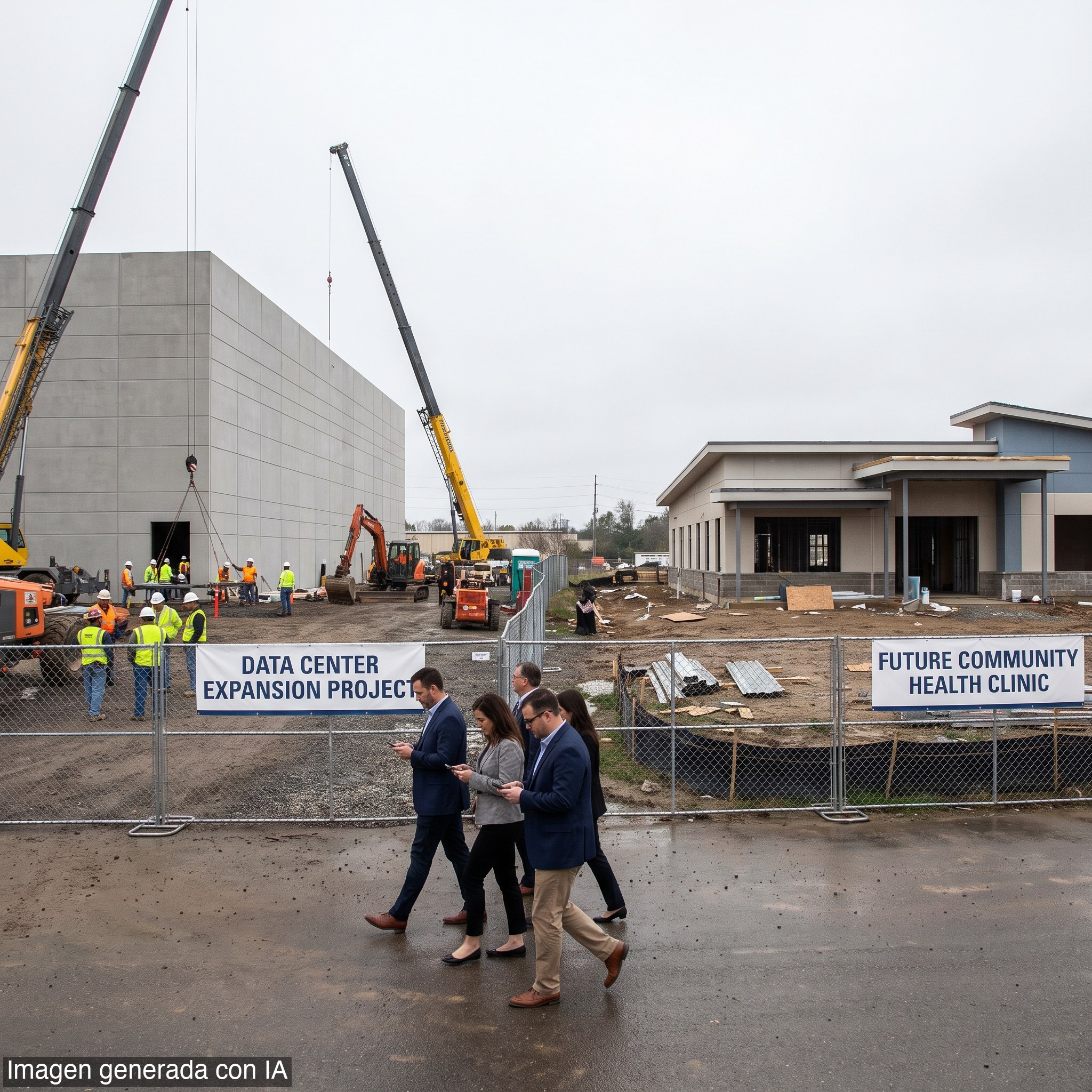
The September labor report had very few places to hide. Healthcare added about 17,000 jobs, construction gained 11,000, and nonresidential specialty trade contractors rose by 12,300, according to the Bureau of Labor Statistics data cited in the report.
That contractor category matters because it includes electricians and other workers tied to data center builds. Those roles helped cushion a month in which total payrolls rose by just 29,000 and the government sector fell by 17,000.
Healthcare has been one of the steadiest parts of the labor market over the past year, but the latest pace was slower than usual. The sector's September gain was about half its average monthly increase of 33,000 jobs over the past year.
The report also points to a split labor market. White-collar sectors lost jobs, and the information sector has fallen from 3.1 million total employed at its 2022 peak to 2.7 million last month.
The data center boom is now doing more than filling server racks. It is propping up construction employment and spending, and Indeed data showed data center-related postings have surged by almost 130% since June 2024 even as overall US postings have dropped.
That is a real near-term boost for contractors, electricians, and the companies building out physical infrastructure. But the long-term picture is less certain. Guy Berger warned that if the boom proves shorter than expected, workers could be trained for jobs that are no longer needed.
For founders, the lesson is simple: capital spending can create demand fast, but it does not guarantee durable hiring. When one build cycle drives payrolls, the upside is real, but so is the risk of a sharp slowdown once the money moves on.
Healthcare tells a similar story. Demand for care remains, but Nicole Bachaud said cooler hiring may reflect funding challenges that make it harder to pay for more workers. In other words, the need is there, but the budget is not always.
Founders who get this right move faster. If your growth depends on one large customer, one federal funding stream, or one construction cycle, your runway is more exposed than it looks. The math is simple: follow where the jobs are coming from, and ask how long that demand can last.


