Scale.
The Latest
NBC Pulls Anti-Israel Ad From 'SNL' Special After Backlash Over $400 of 'Taxpayer Money'•Jensen Huang's Nvidia Comeback Could Usher in an 'Age of Resentment,' Warns Economist Steve Hanke•The Army Has Received Just 180 of Nearly 12,000 Abrams Rounds Due by Summer, and Taxpayers Are Still Paying•Why One Parent Swapped Christmas Gifts for Family Trips, and What It Actually Costs•Musk's Free SpaceX Shares for Every Child: A Gift Worth Watching, and a Reminder That Stakes Beat Subsidies•I Spent a Day Riding, Eating and Cleaning With Robots. Here's the Free-Market Scorecard.•A Budget Traveler's Honest Take on ASKY Airlines: Cheaper Than You Think, Less Consistent Than You'd Like•A Texas Relocation Broker Is Heading to Florida, and Her Clients Say the Tax Math Is Next•Booking Your First Cruise? Here Are the 7 Costs and Surprises Founders Should Plan For•Shake Shack's Holiday Shakes Ranked: The Christmas Cookie Is Sweet, the Hazelnut Chocolate Is Worth Watching•NBC Pulls Anti-Israel Ad From 'SNL' Special After Backlash Over $400 of 'Taxpayer Money'•Jensen Huang's Nvidia Comeback Could Usher in an 'Age of Resentment,' Warns Economist Steve Hanke•The Army Has Received Just 180 of Nearly 12,000 Abrams Rounds Due by Summer, and Taxpayers Are Still Paying•Why One Parent Swapped Christmas Gifts for Family Trips, and What It Actually Costs•Musk's Free SpaceX Shares for Every Child: A Gift Worth Watching, and a Reminder That Stakes Beat Subsidies•I Spent a Day Riding, Eating and Cleaning With Robots. Here's the Free-Market Scorecard.•A Budget Traveler's Honest Take on ASKY Airlines: Cheaper Than You Think, Less Consistent Than You'd Like•A Texas Relocation Broker Is Heading to Florida, and Her Clients Say the Tax Math Is Next•Booking Your First Cruise? Here Are the 7 Costs and Surprises Founders Should Plan For•Shake Shack's Holiday Shakes Ranked: The Christmas Cookie Is Sweet, the Hazelnut Chocolate Is Worth Watching•
Scale.
Sections
The outlet
Money

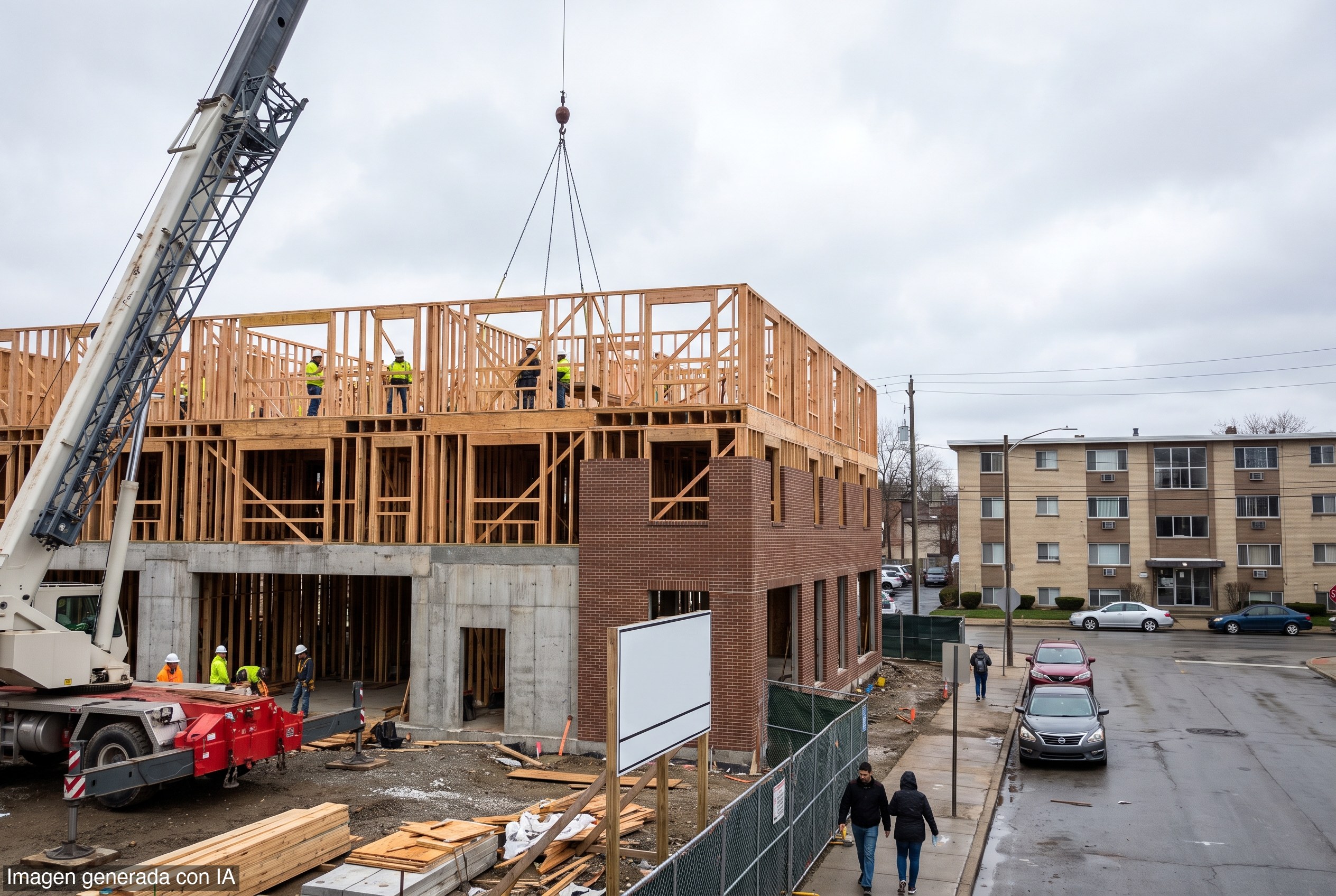
Columbus is building more apartments, and renters may finally get some relief

Higher multifamily permit approvals in Columbus and other midsize metros could ease rent pressure over time. But the national supply gap is still wide, and expensive cities remain stuck with too little housing.
SEP 25, 2026
Photo: Imagen generada con IA

Columbus, Ohio, is emerging as one of America’s strongest apartment-building markets.

The midsize metro has its highest multifamily permit approval rate since 2019, helped by density-friendly zoning reforms. Realtor.com says Columbus could add up to 88,000 new homes over the next decade through its 'Zone In' plan.

Las Vegas, Oklahoma City, and Birmingham, Alabama, are also seeing higher apartment-building activity, according to a July Realtor.com Renter Report. At the same time, the national picture is still weak: overall US multifamily approvals are 13.1% lower than they were five years ago.

That gap matters for renters. More supply is one of the few tools that can put real pressure on housing costs over time, especially in cities where demand is outrunning the number of available homes. Realtor.com economists said policies such as New York City’s newly approved rent freeze on rent-stabilized units 'could push market rates higher without new supply to offset it.'

New York City, Seattle, Austin, and Washington, DC are all at five-year lows in permit rates. In New York, Mayor Zohran Mamdani has proposed building 200,000 new homes during his term, but the scale of the shortage remains the issue.

The rent data show why supply still matters. The median asking rent in the Columbus area was $1,180 last month, down 1.5% from a year ago. Across most locations, rents tend to fall when multifamily permit approvals rise. National median rents have also slipped from 2022 peaks.

Still, the housing market is not fixed by construction alone. A Harvard Joint Center for Housing Studies analysis found that the number of US units renting for less than $1,000 a month in inflation-adjusted terms fell by more than 30% between 2014 and 2024, while the supply of higher-rent units rose by 46%.

That means a lot of the market is still misaligned with what households can actually afford. About half of US renter households were cost-burdened in 2024, meaning they spent at least 30% of income on housing, according to Harvard. In expensive cities, the burden is even heavier.

The playbook is simple: build more, approve faster, and stop treating supply as an afterthought. When cities make it easier to add apartments or convert old hotels and office buildings into homes, renters get more options and taxpayers avoid footing the bill for artificial scarcity. The market works best when policymakers let housing catch up with demand.


LK
Laura Kessler
Money Columnist

Laura Kessler covers capital, taxes, markets and the economy — a founder's guide to the numbers, from runway to revenue.

More from Money

A Budget Traveler's Honest Take on ASKY Airlines: Cheaper Than You Think, Less Consistent Than You'd Like
A Texas Relocation Broker Is Heading to Florida, and Her Clients Say the Tax Math Is Next
NBC Pulls Anti-Israel Ad From 'SNL' Special After Backlash Over $400 of 'Taxpayer Money'
