Here's the playbook, and it starts with a chicken-and-guacamole problem that most founders would never think to automate.
Chipotle's chief digital officer, Arlie Sisson, has been putting AI to work across the company's restaurants. Business Insider reports that the chain runs three main projects. One is already producing results, another is expanding fast, and a third could change how restaurant managers organize their days.
Start with hiring. Running more than 4,200 restaurants means a constant stream of applications, interviews and paperwork. Chipotle's AI assistant, called 'Ava Cado,' communicates with applicants in multiple languages, answers questions, gathers information and schedules interviews. According to the company's figures, the average time from application to first day of work fell from 12 days to four. Applicant volume nearly doubled, and the share of people who finished their applications rose from about 50% to almost 88%. Those are the kinds of numbers that matter when your bottleneck is recruiting.
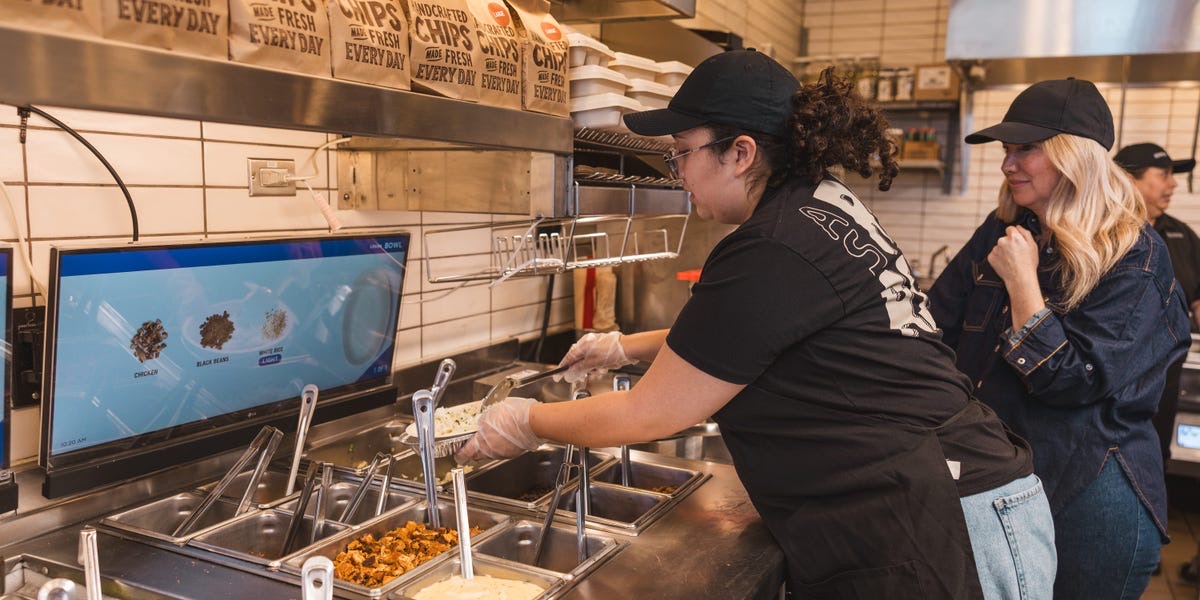
The second project targets food prep. Every morning, a manager has to decide how much chicken and guacamole to make. Too little and customers leave disappointed. Too much and product goes in the trash. Traditionally, managers arrive around 7 am, check historical sales and work through the plan by hand. Last year's sales do not capture a new promotion, a college rush at 10:50 am, the weather or even seasonal swings in avocado size. Chipotle's system, Cook to Needs, analyzes demand and recommends how much fresh food each restaurant should prepare throughout the day. It is being tested at 500 locations, with plans to expand nationally.
The company has not published a precise figure for hours saved. It does report that restaurants using the system most consistently see higher customer satisfaction and fewer complaints, and it is tracking food waste, preparation time and staffing efficiency. The math is simple: less wasted food protects margins, and enough fresh ingredients on hand prevents lost sales.
The third project is an assistant for general managers, delivered on mobile tablets. A manager could ask what the day ahead looks like and get flagged alerts about a large catering order, an unusual staffing gap or a nearby event that will shift traffic. It can also answer routine questions about procedures without a manager digging through binders.
What should founders take from this? Investors are asking whether AI is paying off, and Chipotle's experience suggests the strongest returns come from unglamorous work: hiring faster, forecasting accurately and giving operators better information. Those gains show up as lower costs, higher sales and more productive staff.
The editorial reading is worth stating plainly. Every hour a manager does not spend chasing paperwork or reconciling spreadsheets is an hour returned to the business that actually earns the money, namely training people and serving customers. Taxpayers have no stake here, but shareholders and franchise operators do, and they are the ones who should judge whether the spending is justified. On the evidence Chipotle has offered so far, the case is strong, though the company has yet to disclose the hours-saved figure that would make it airtight.
If you run a business with repetitive operational decisions, start there. Pick one daily call your team makes by gut feel, measure the waste it causes, and test a forecast against it for a few weeks. Start smaller than you think.


