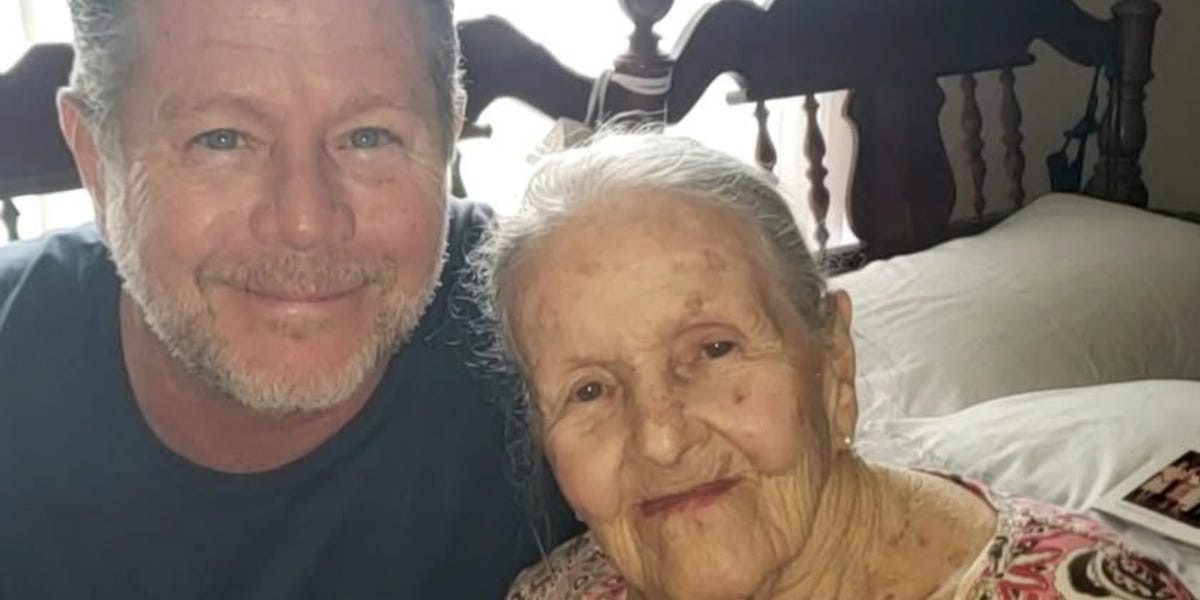
Dennis Dailey spent the better part of a decade on the job that nobody puts on a résumé. He is 62 now, and he is rebuilding his career from a standing start after caring for his mother, who died in April 2025 at 88.
The demands grew gradually. In 2018, as his children headed to college, Dailey saw that his mother needed more help than he had realized. He moved to Kentucky, and by 2019 he was caring for her on a more full-time basis. The COVID-19 pandemic made things harder. In March 2020, less than a week before he was due to host a major event at the HIMSS conference in Orlando, the event was canceled. He had counted it as a potential turning point for his work in media and healthcare.
Dailey describes doing nearly everything himself during the pandemic: running the household finances, cooking, and making sure his mother got to every doctor's appointment. Outside help was limited. A personal care helper came in occasionally, and the Area Agency on Aging later provided a home health aide for an hour or two a week. After a stroke in February 2025, the care team and Dailey agreed that home care was no longer enough. Finding a nursing home bed was difficult, since the facilities in Morehead were full, so his mother was placed in a home in the next county over. Medicare paid for her time there.
The professional cost is what Dailey wants others to plan for. He kept working where he could, doing consulting and PR projects from home in eastern Kentucky. But he was splitting each day into blocks of two or three hours, and he could not take a full-time role or travel to the networking hubs of South Florida, Miami, Chicago, or New York. "I gave up years of being able to grow much more professionally," he said. "If you think about your 50s, it's really the peak earning time for most people."
He also argues that caregiving builds real workplace skills, including attention to detail, coordination among caregivers and clinicians, and responding to urgent needs. "I've done a lot of sports coaching in my life, and I felt like I was her team manager, coordinating all the different folks," he said. Those skills are often overlooked when a caregiver returns to the job market.
Now Dailey is looking for an organization where he can bring his media, healthcare, and caregiving experience to bear on sustained work. For founders, managers, and anyone building a team, his story is a practical reminder. Caregiving leaves can be necessary and honorable, but the lost momentum is real. Companies that want experienced people back should consider how they welcome people who have spent years at home, and individuals should plan for the gap before it arrives.
The lesson for professionals is to plan for the inevitable. Dailey's own words put it plainly: caregivers pay twice, first in lost professional growth during the years of care, and again when they start over.


