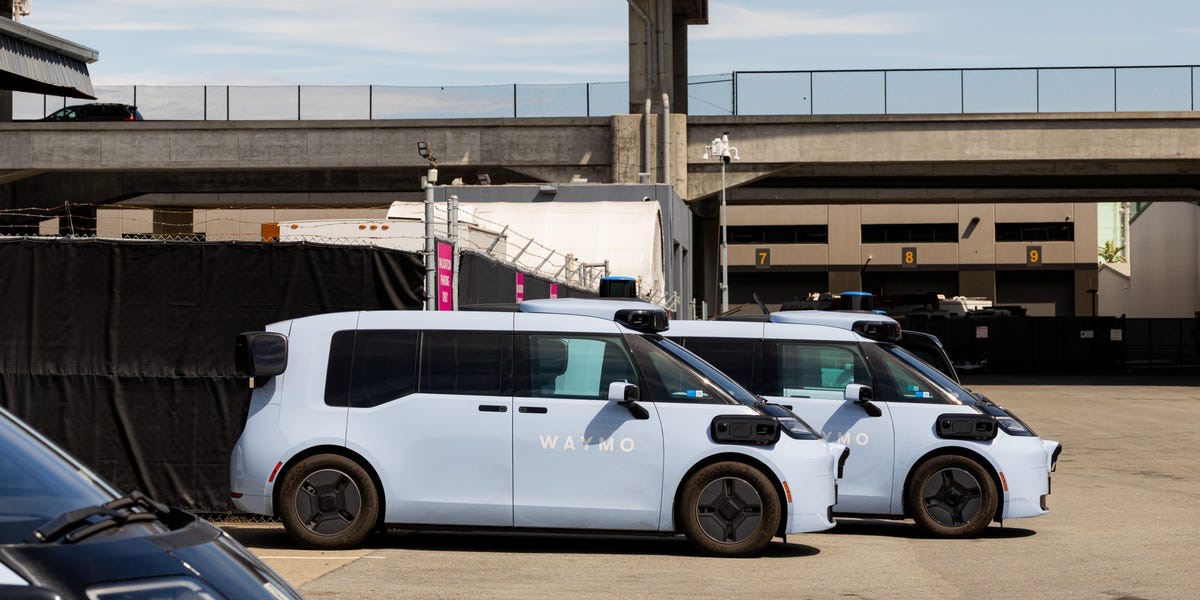
The California Department of Motor Vehicles has restricted Waymo from operating and testing its driverless vehicles on highways, citing three incidents in which its robotaxis 'entered an active construction closure.' The restriction took effect on November 11 and will stay in place until Waymo demonstrates that it has taken effective corrective actions.
The DMV was specific about what it found. In a statement, a department spokesperson said Waymo's driverless freeway operations 'pose an imminent hazard to public safety due to recurring incursions by its vehicles into active construction zones where construction workers, vehicles and equipment are present.' The regulator also pointed out that the problem was not new. It noted 'a prior restriction and corrective actions implemented following similar incidents that occurred on May 18, 2026.'
The two most recent cases the DMV cited were on November 5, when a Waymo vehicle entered a construction zone on US Route 101 near Burlingame, and on November 6, in an incident involving California Highway Patrol vehicles.
Waymo had already tried to fix this. In May, the company suspended its own highway operations to improve how its cars behaved around construction zones. On July 29, it announced that it was 'gradually resuming' freeway routes, telling TechCrunch it had shipped 'software updates designed to improve the performance around freeway construction zones.' Those updates did not prevent the later incidents.
A Waymo spokesperson said the recent incidents involved no injuries or collisions. Although the DMV order applies only to freeways in California, the company said it will temporarily pause highway operations nationwide. 'We are working with the California DMV and other state officials diligently and responsibly to resume freeway operations,' the spokesperson said.
What this means for Waymo is a longer road back. The company now has to show regulators that it can detect construction zones, emergency vehicles and other roadway situations before freeway service returns. That is a higher bar than a patch notes announcement.
The lesson for founders is simple. A fix that ships is not the same as a fix that works. When your product touches public safety, regulators will judge you on repeated outcomes, not on your roadmap. Track incident rates after every release, be transparent about what failed, and keep the rollback option ready. Pausing a market you have already built costs far more than pausing a launch you have not yet made.


