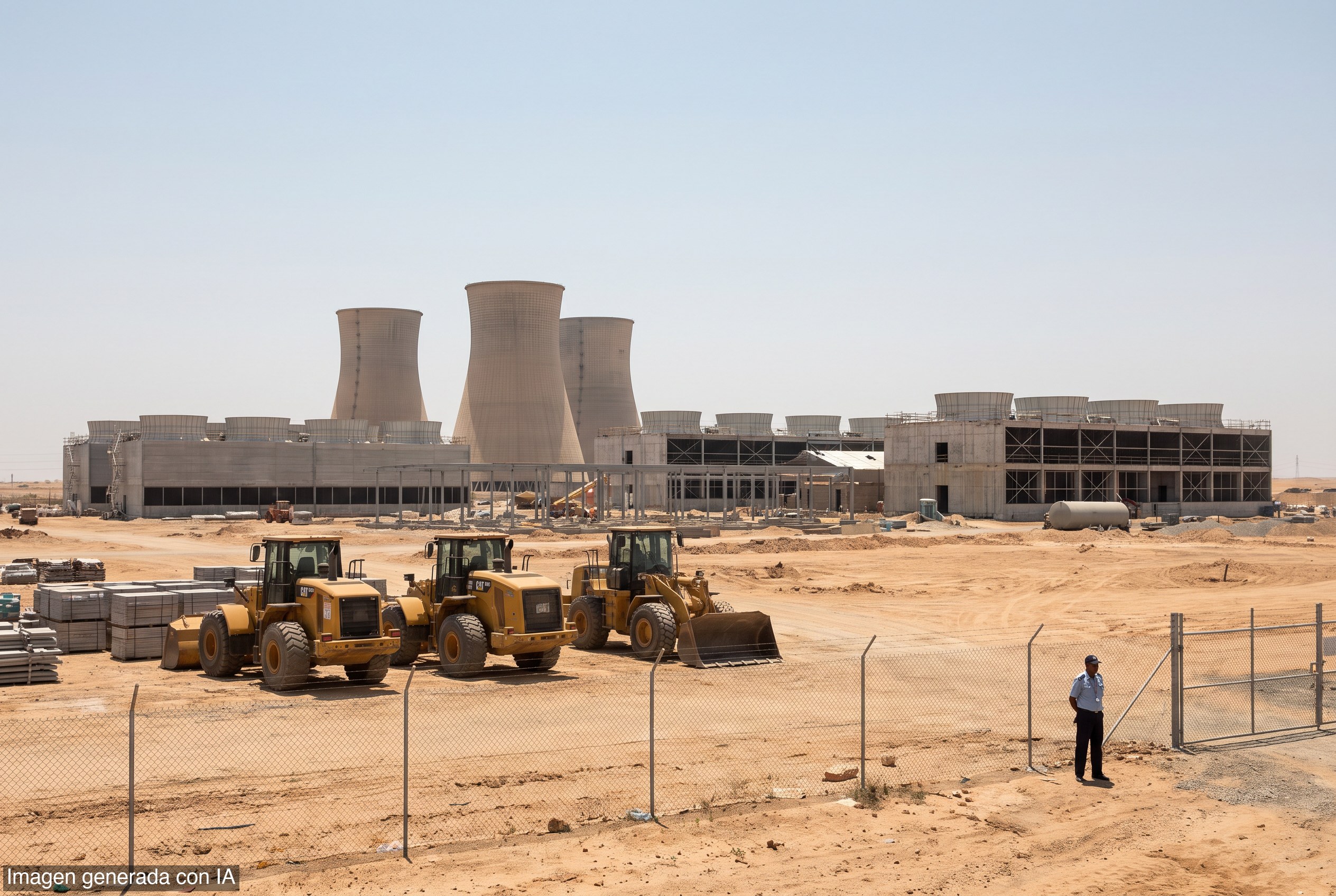
California and Texas, two states that usually stand on opposite sides of the political map, moved in the same direction on Monday: tighter limits on data center development.
In California, Gov. Gavin Newsom signed a package of new laws regulating data centers. The new rules require data centers to disclose electricity and water use, make them ineligible for environmental exemptions, and are meant to help ensure consumers are not stuck with rising energy costs.
Newsom said in a statement that while the Trump administration is moving toward deregulation, 'communities are left to deal with the consequences' — including higher electricity demand, grid constraints, water use, and pollution. He said the laws are meant to ensure Californians 'remain in the driver's seat' and that those profiting from data centers are not doing so at the public's expense.
In Texas, Republican Gov. Greg Abbott directed the Texas Commission on Environmental Quality to stop issuing new permits for data center development while the state grid operator carries out an audit. Abbott said 'Texans must come first' and added that data centers must 'pay their own way, protect our grid and water, and complete the ERCOT and TWDB audits.' He said no permits will be issued until that happens.
Abbott's order expands on a moratorium he issued last month on new data center connections to the state's electric grid.
The issue has become a rare bipartisan flashpoint. Democrats and Republicans have both voiced concerns about the impact of data centers, and Americans in several places have protested proposed developments.
Critics say data centers use too much water, push up electricity bills, and add noise pollution in nearby communities. Business Insider has previously reported that the data center boom was contributing to water scarcity and rising electricity bills.
Industry groups are pushing back. A spokesperson for the Data Center Coalition said it was 'disappointed' by Newsom's move and called the California laws 'sweeping and significant.' Khara Boender, the group's director of government affairs in the West, said the bills create 'significant uncertainty' and could make California an unattractive place for data centers and other industries.
Boender also said the laws could further limit data center development in California and push job creation, clean energy deployment, and tax revenue to neighboring states.
For founders and operators, the message is simple: when infrastructure growth runs into power and water constraints, the bill eventually lands on customers, communities, or both. The politics may differ, but the math is the same. If data centers want to scale, they now have to prove they can do it without offloading the cost onto the grid, the water supply, or taxpayers.


