Big Pharma is treating longevity as a serious business now.
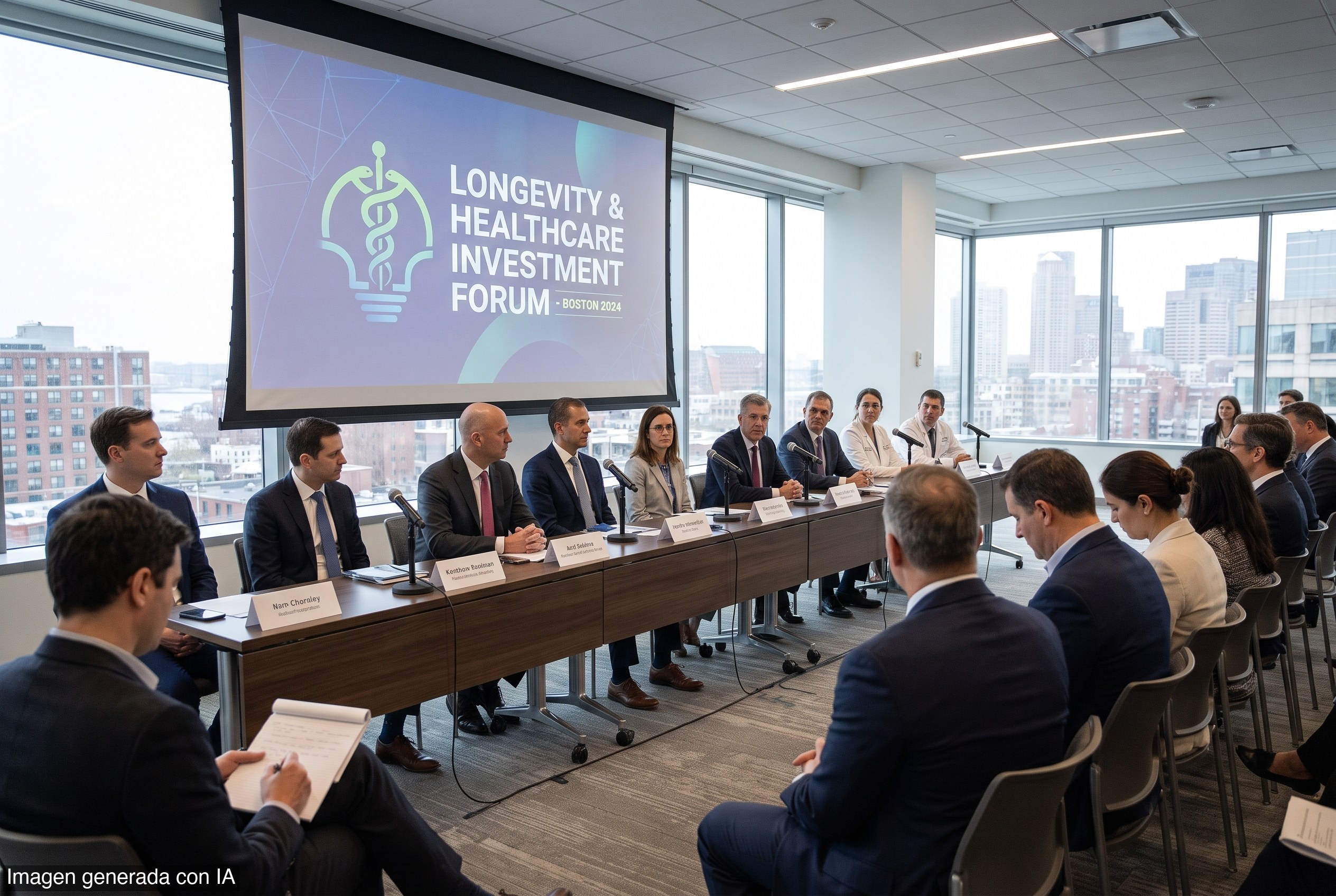
At the 2026 Aging Research and Drug Discovery meeting in Boston, executives from Pfizer, GSK, AstraZeneca, Novartis, and Eli Lilly joined regulators and longevity startups to discuss drugs aimed at age-related decline. For years, 'longevity' sat on the fringe of serious drug development. Now it is showing up in boardroom strategy and federal conversations.
Thomas Marron, Eli Lilly's associate vice president of healthy aging, said, 'We think it's an important space to be in, because that's where the patients are going to be.' The FDA also took part in the conference for the first time, and clinical pharmacologist Justin Penzenstadler told the room, 'We're the umpire and not the coach.'
That matters because the industry is no longer talking only about treating disease after it appears. Andrew Brack, program manager for the federal government's $144 million healthy aging and longevity drug trial initiative called PROactive Solutions for Prolonging Resilience, or PROSPR, said the goal is to move medicine away from asking 'what disease does this person have?' and toward asking 'what is this person still capable of doing, and how do we measure it?'
The commercial logic is clear. Pharmaceutical companies are trying to serve aging patients who want preventative therapies that keep them agile, able, and sharp for years to come. New blood tests that estimate biological age, plus genetic screening tools, are giving drugmakers and regulators a way to measure whether a treatment is slowing aging in real time.
The biggest attention grabbers were the GLP-1 drugs. Eli Lilly said tirzepatide, sold as Zepbound and Mounjaro, may slow aging in internal organs, especially the heart, brain, liver, and kidneys. Novo Nordisk said its semaglutide data from more than 10,000 patients showed the heart age drop 2 to 4 years, while kidney, brain, lung, and pancreas ages decreased an extra 1 to 4 years.
That is still early evidence, not an approval path. Regulators will need far more data before signing off on any drug for aging. The next big question is whether these drugs help healthy older adults, not just people with diabetes or obesity. A new PROSPR trial will try to answer that.
For founders and investors, the signal is bigger than one drug class. The market is moving from supplements and hype toward trials, data, and regulation. If aging becomes a reimbursable medical category, the winners will be the companies that can prove outcomes, not the ones selling the loudest promise.


