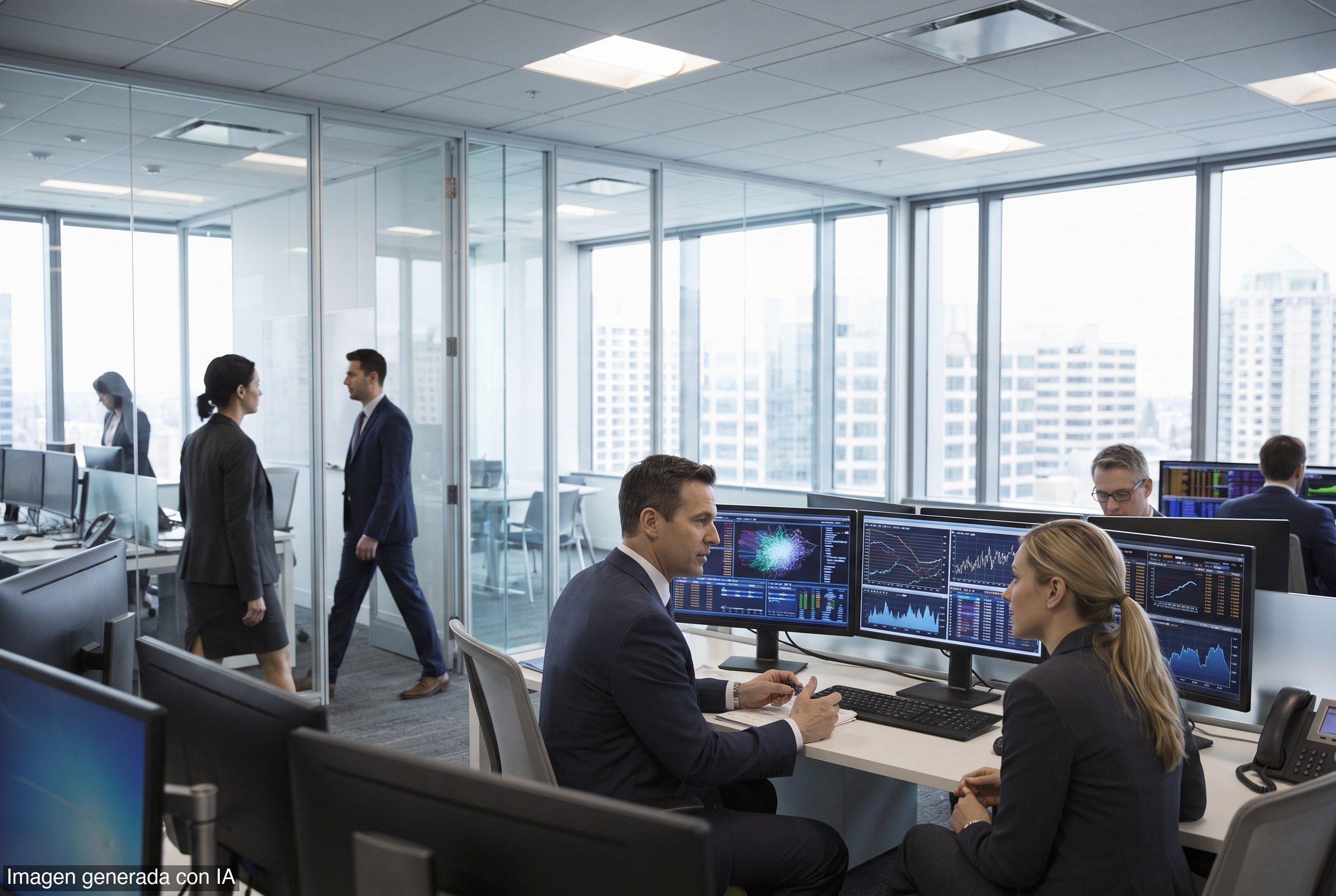
Atlas Tradeeu has launched an institutional-grade trading platform for global energy, precious metals, and commodities markets.
The company says the platform integrates AI-driven algorithmic execution tools and is built for professional investors and institutional clients. It also says the service ecosystem covers commodity trading, AI-powered automated trading, algorithmic execution, and multi-faceted trading strategies.
Atlas Tradeeu describes commodities as a global and liquid market shaped by macroeconomic conditions, supply-demand dynamics, and geopolitical developments. It says its infrastructure streams market data, facilitates trade execution, and supports structured, repeatable trading workflows.
The company also says its technical architecture uses artificial-intelligence models, algorithmic frameworks, and automated execution engines. According to the company, that setup analyzes market information and helps with trading decisions and order execution based on programmed strategies.
Atlas Tradeeu says institutional clients care about execution performance, liquidity, transaction costs, system resilience, and risk-management functionality. It says it is iterating on trade execution, market-data distribution, account administration, and technical infrastructure to deliver a more mature trading environment.
The platform is also being positioned as part of a broader shift in trading infrastructure. Atlas Tradeeu says next-generation trading platforms will move beyond order routing and into holistic fintech infrastructure combining market data feeds, artificial intelligence, strategy libraries, automated execution workflows, and embedded risk management.
For founders and operators watching financial infrastructure, the message is clear: automation is no longer a back-office feature. It is becoming the product.
The playbook here favors speed, standardization, and lower friction. If the platform delivers what it promises, the winners are the clients who want faster signal-to-order execution and tighter risk controls. The pressure lands on legacy brokerage models that still depend on slower, more manual workflows.
That matters because every layer of automation changes the economics of trading. In this model, technology is not just support; it is the edge.


