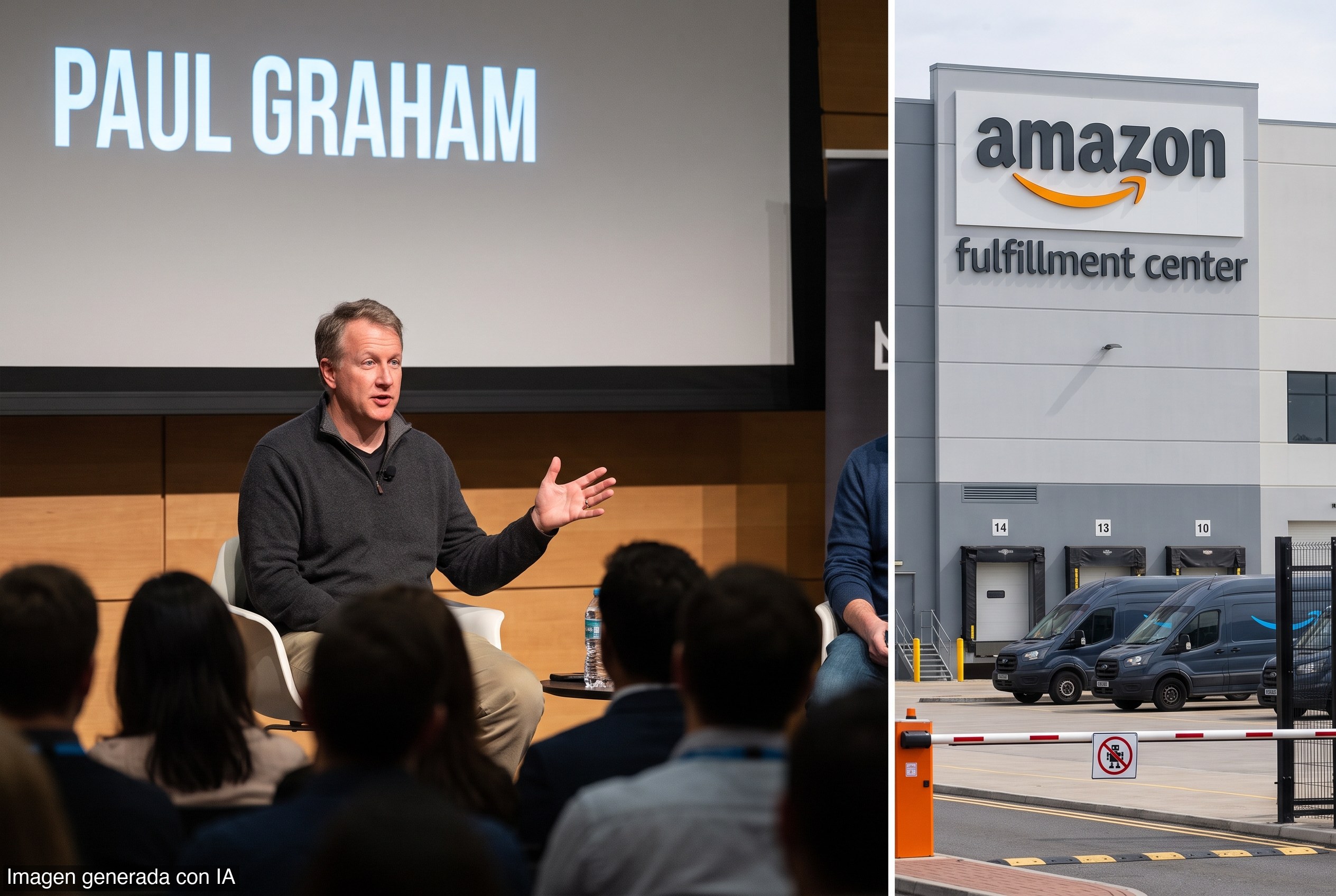
Paul Graham says Amazon may have created a new opening for a rival by blocking consumer AI agents from its marketplace.
In a Wednesday night X thread, the Y Combinator cofounder said it was the 'first opportunity I've seen since Amazon was founded for a startup to create an Amazon competitor.' His case is simple: shoppers will want agents to buy things for them, and they will not want to use an Amazon-supplied agent to do it.
The dispute centers on Muse, Meta's consumer-focused AI agent that can complete multi-step tasks, including making purchases. Amazon barred Muse from its website, saying the agent did not identify itself when shopping and appeared to capture and store customer credentials. Meta has said Muse itself cannot see users' passwords or payment methods, and that credentials a user shares are stored securely in Muse's dedicated cloud computer, rather than visible to the agent.
Graham argued that Amazon would not bother blocking agents if shoppers did not want to use them, but said the move could come at Amazon's peril. Elon Musk reposted the thread with a one-word endorsement: 'Seriously.'
The timing matters because AI companies are pushing deeper into consumer agents. OpenAI launched Dots in late September, and Amazon has not publicly said whether it has blocked it.
Not everyone reads the move the same way. Imran Khan, founder of Proem Asset Management, wrote that Amazon likely believes more agents shopping on its platform could increase costly returns and 'completely mess up their unit economics.' Amazon also has its own shopping assistant, Rufus, and a 'Buy for Me' feature that buys products from some outside brands.
For founders, this is the kind of platform fight that can create a real opening. When a giant blocks a new behavior, it can protect the old model, but it can also hand a startup a clear wedge. The question is whether a consumer agent becomes a feature inside Amazon, or a business big enough to sit in front of it.
The math is simple: if shoppers want an agent to manage purchases, control of that interface is worth a lot. And when a platform starts policing access to customers, it can create the very incentive competitors need to build around it.


