Amazon has not slammed the door on outside AI shopping agents. It has just put a price on the key.
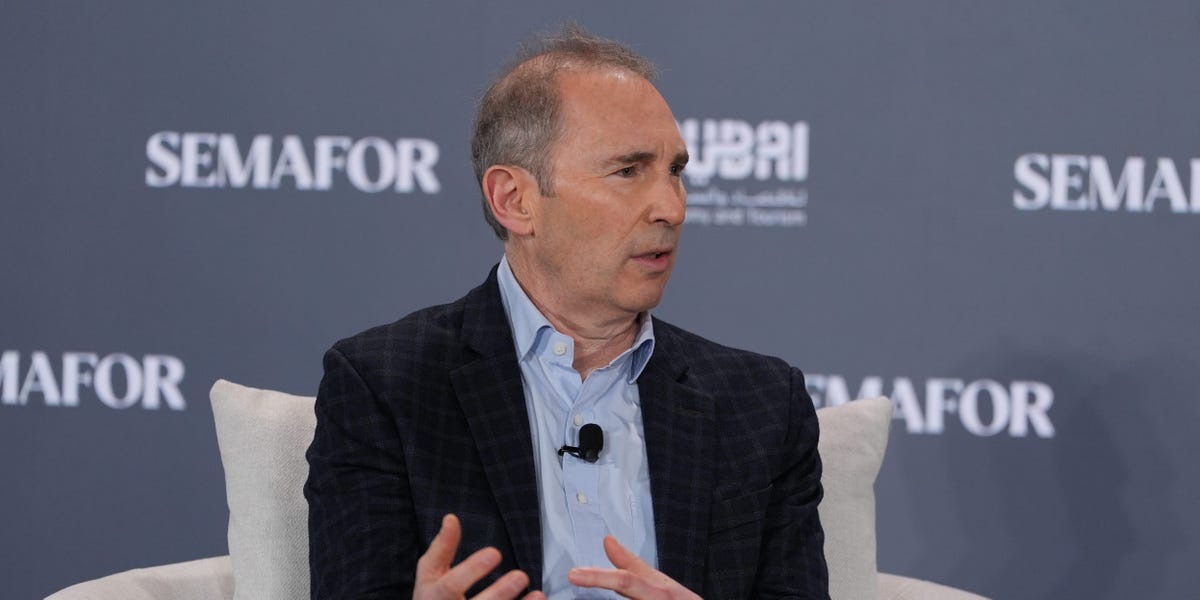
Speaking Tuesday at Semafor's Silicon Valley & The World conference, CEO Andy Jassy said the company has not said it will never open its platform. 'It's just that it has to be a good customer experience, which it hasn't been to date, and it has to be a fair exchange of value,' he said.
The backdrop matters. AI agents such as Meta's Muse, Instinct AI, and OpenAI's Dots are marketed as tools that can take action on a customer's behalf, including making online purchases. For American retailers, that creates a new test for IT and security teams. It could also cut retailers out of the browsing experience they have long controlled.
The friction is already visible. In September, Amazon publicly blocked Muse from making purchases on its platform, saying the block 'helps ensure a safe, secure, and reliable customer experience.' Amazon has said it applies its policies evenly. Users have also reported that Instinct and Dots have struggled to buy items on their behalf on Amazon.
Jassy said Amazon is 'talking to every one of those companies,' and added that every retailer should 'have the right to decide how they're going to interact with agents.'
Here's the playbook Amazon is signaling. Its own tools, Alexa for Shopping and Buy for Me, are guided by what Amazon calls its 'About You' customer dossiers. Jassy argued that the primary way people will use agentic shopping is 'in concert with the retailer that they like to use.' His example is simple: tell the app to buy the deodorant you normally buy, and let it draw on your past orders, shipping details, and payment information that the retailer already holds.
Others are taking a different route. Shopify has openly embraced outside AI shopping agents. Home Depot's chief information officer recently told Business Insider that the home improvement chain's online marketplace wants agents to identify themselves first.
For founders, the takeaway is that distribution is being renegotiated in real time. If your product depends on an agent reaching a dominant marketplace, the access terms are not settled. Before you build around any single agent or platform, map three things: who owns the customer relationship, who carries liability when an order fails, and what the platform gets in return for access.
The math is simple. A retailer that controls the customer data controls the transaction. Amazon is making clear it intends to keep that control while still leaving room to deal. Founders who understand the terms of that deal will move faster than those still waiting for an open door.


