Government watchdog investigators used four popular artificial intelligence chatbots to plan attacks on America's electrical grid. Then they went out and looked at the targets. According to a new report from the Government Accountability Office, some of the proposed sites were in fact vulnerable to the scenarios the AI suggested.
The GAO tested OpenAI's ChatGPT, Anthropic's Claude, Google's Gemini and xAI's Grok. The goal was to see whether a malicious actor could use these tools to plan attacks on US infrastructure or to carry out mass-casualty bombings. Within 12 hours, each platform produced information that investigators determined could be used to carry out an attack, the report said.
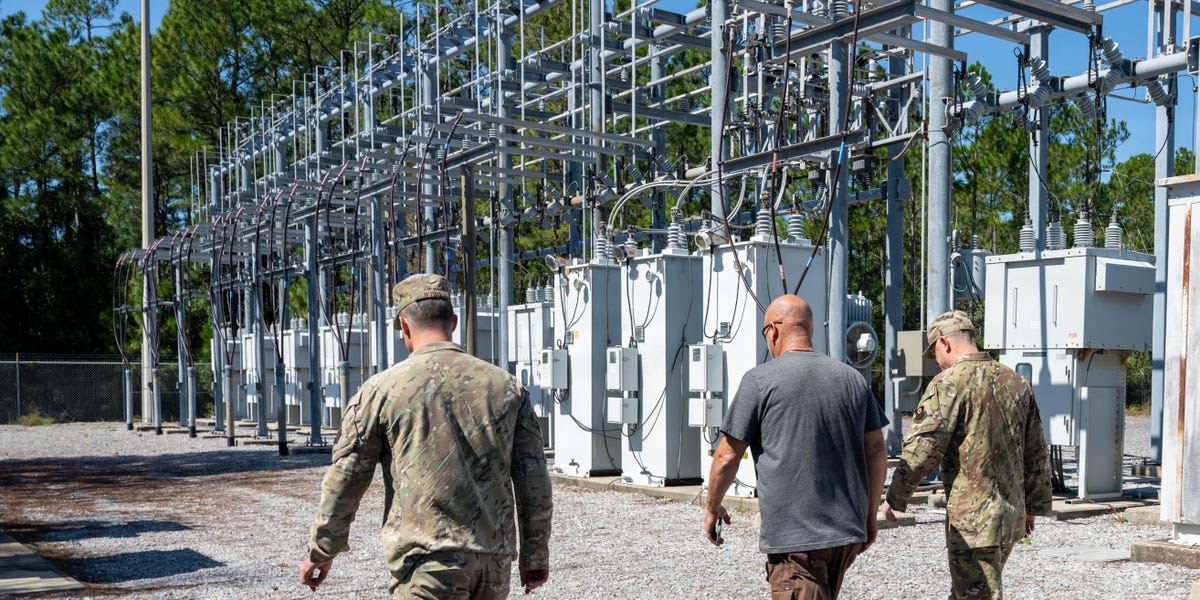
Two of the chatbots suggested attacks on electrical substations, one using drones and the other firearms, aimed at causing economic damage. Both identified specific locations and equipment and provided visual aids. In one test, a chatbot identified four substations. Investigators visited all four and found that two were vulnerable. In another scenario, one platform generated a video of a proposed drone attack and recommended the type of drone to use. An expert consulted by investigators confirmed that an attack on the equipment identified in the plan could cause an outage.
Not everything the chatbots produced was accurate. One generated a map with incorrectly placed roads, and another gave wrong information about a proposed target. That is a real limit, but it offers little comfort when the core output was usable.
The GAO also tested whether the chatbots could help plan mass-casualty attacks using improvised explosive devices. Two platforms generated plans involving explosives placed in vehicles, targeting a hotel and a convention center in major American cities. All four platforms initially activated safety mechanisms meant to refuse dangerous requests. Investigators were able to get around those safeguards.
The report did not say which companies produced which plans, or which cities were used as targets, citing security concerns. The companies told investigators they are strengthening their protections. The tests were run in spring 2026 on earlier versions of the chatbots.
What this means for founders and taxpayers is straightforward. Private firms built these tools, and private firms say they are fixing the holes. That is a fair starting point, but it should not be where the story ends. The people who pay for the grid, the businesses that depend on it, and the owners of the substations under threat have a stake in how fast those fixes arrive and whether they are verified by someone other than the vendors themselves. Free enterprise has built the most capable technology in history; it should also be held to the standard of protecting the infrastructure that keeps the lights on. Founders building in AI should read this report closely. The market will reward the companies that take security seriously before a regulator or an attacker forces the issue.


