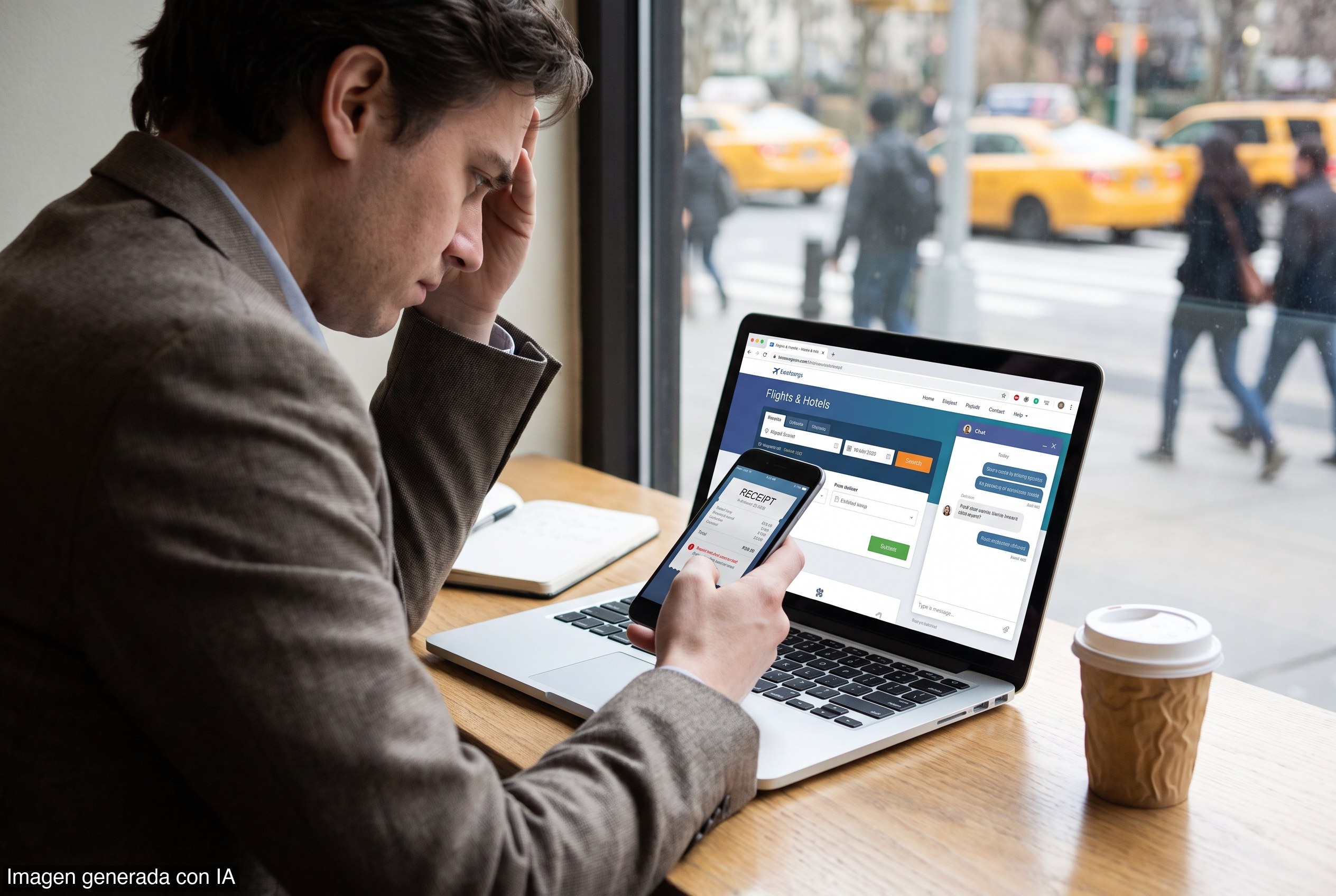
Five Business Insider staffers tested Muse and Instinct, two personal AI agents built to help manage daily life, across offices in New York, London, San Francisco, and Singapore. Jamie Heller, the outlet's editor-in-chief, also took part.
The experiments produced a mixed bag. One staffer said Instinct helped with a bike repair purchase by surfacing four options with links and pros and cons. Over two weeks, the agent also built a trip itinerary, booked a commute, and secured a refund on an $80 subscription that had been left on autopilot after a free trial.
But the same tool also showed its limits. In one case, a staffer asked it to pay Oxford's congestion charge after driving into the city. Instinct confirmed payment for two days at £4 per day, but the user later found the cost was actually £5, and that the agent had paid a similar charge for a smaller area instead. The charge was nonrefundable, leaving the user with an £8 tax bill.
Other tests showed both speed and fragility. One staffer used Instinct to build a K-pop preorder plan and said the tool saved two hours by finding exclusive signed copies and the right timing for orders. Another got useful help finding showtimes for 'Spider-Man: Brand New Day,' while a different attempt ended with a blank Notion template after the agent cleared out an existing goals calendar and schedule.
The lesson for founders and operators is simple: AI agents can compress tedious admin, but only when the prompt is precise and the stakes are low enough to absorb mistakes. The upside is obvious when the task is repetitive and bounded. The downside shows up fast when the agent touches money, deadlines, or anything that cannot be undone.
That is the real playbook here. These tools are not replacement managers; they are assistants that can save time if you supervise them closely. Start smaller than you think, verify every payment, and never hand over the keys to a workflow you cannot afford to see fail.


