Bill Ackman said there could be a case for reinstating Jensen Huang as Nvidia CEO, but only if Huang is cleared of any wrongdoing tied to putting the company's national security obligations at risk.
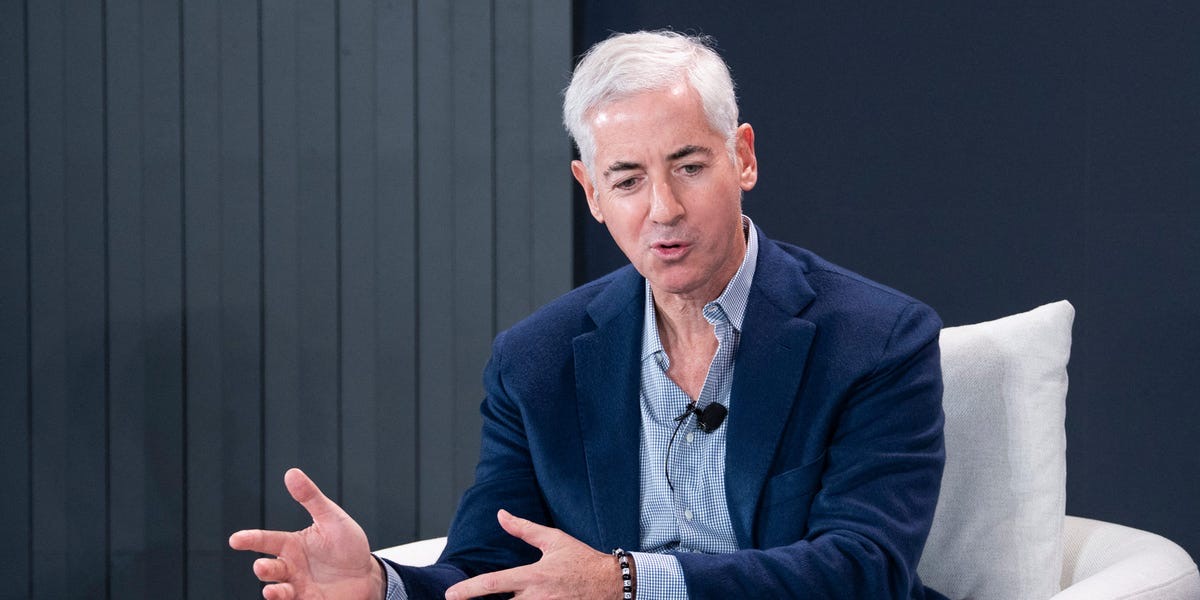
At a Semafor conference on Monday, the activist investor was asked how he would pressure Nvidia's board to bring Huang back. Ackman said he would first want to clarify the legal uncertainty around Huang's affairs before launching any campaign.
Huang resigned on Thursday after the disclosure of extramarital affairs and concerns that he may have been a target of a 'foreign intelligence effort.' Ackman said that if the relationships were judged to be a 'personal foible as opposed to a corporate defense conspiracy,' there could be a 'powerful case' for returning Huang to the CEO seat.
He added that an activist investor could present the facts and call a special meeting. That meeting would be a shareholder vote on reinstating Huang. Ackman said Huang's involvement could help clear the 15% voting-power threshold needed to call one, since Huang owns more than 3% of the company.
'You call a special meeting, the writing will be on the wall very quickly,' Ackman said. 'Just put him back in, make some changes to the board, and push forward.' He also said it would send a public message that the founder wants to return.
A spokesperson for Nvidia did not respond to a request for comment.
The broader playbook is simple: when a founder still has meaningful shareholder support, the board does not get unlimited runway to drag out uncertainty. The market usually rewards clarity, not prolonged drama, and activist pressure works best when the facts are presented fast and the vote comes next.
For founders, the lesson is just as clear. Control matters, but so does trust. When legal questions cloud a leadership transition, the cap table can become the battleground. Founders who get this right move faster, because they know when to fight for the chair and when to let the process settle first.


