If your business depends on a single system to take payments, book travel or reach customers, last week was a warning. A string of high-profile outages hit in quick succession, and the pattern alone was enough to set off speculation that something more sinister was underway.
So far, the official explanations point elsewhere. Senator Mark Warner, the top Democrat on the Senate Intelligence committee, said in a statement Tuesday that there was 'no indication that these incidents are the result of a cyberattack, foreign interference, or some coordinated effort.' He said the evidence suggested the disruptions stemmed from 'legitimate efforts to secure our systems, not malicious activity.' Warner also argued that AI is identifying vulnerabilities faster and pushing teams to patch them immediately, 'putting tremendous strain on systems that weren't built to handle that pace of change.'
Here is what each company and agency has said about its own outage.
Microsoft's 365 suite, including Outlook, Teams and Copilot, went down last week. By late Friday morning the company said services were stabilizing, and it described the cause as 'technical' and 'not related to cyber or AI / agents.'
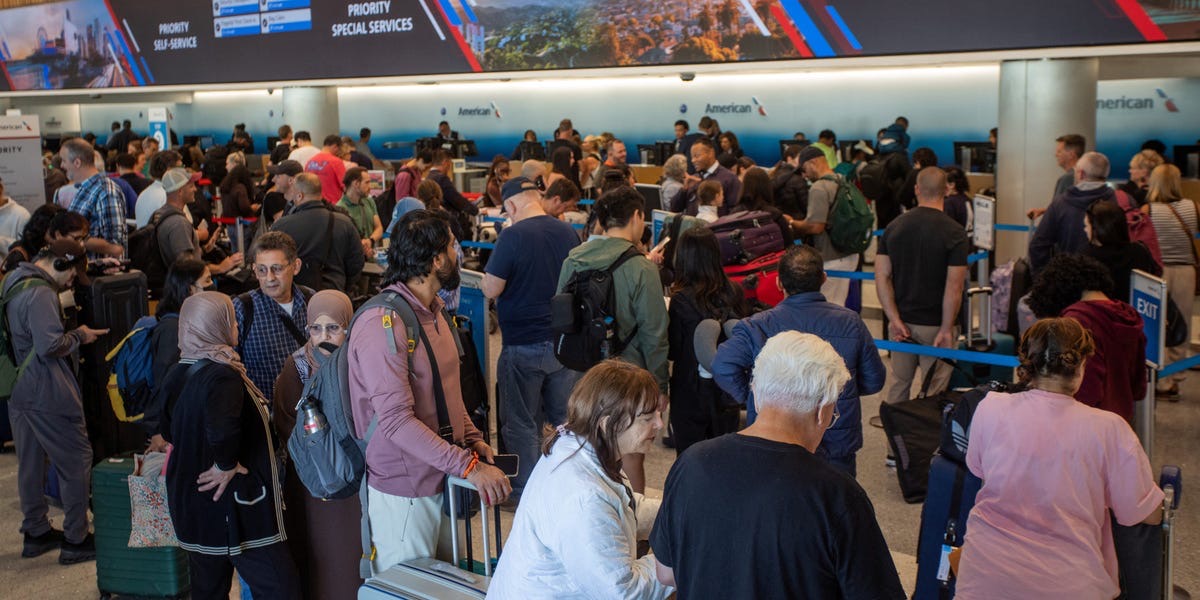
The Federal Aviation Administration issued a nationwide ground stop on Friday, citing problems with its air traffic control systems. Flights were grounded for more than four hours, producing thousands of delays and cancellations on Friday and Saturday. Transportation Secretary Sean Duffy and Homeland Security Secretary Markwayne Mullin blamed aging air traffic control infrastructure, and Mullin said they did not believe the outage was tied to cybersecurity or an AI attack.
JPMorgan Chase said on Monday that its service problems came from a 'software bug in on-premise hardware systems.' Customers reported trouble reaching account information and delayed transactions. Customers of Bank of America, Wells Fargo and U.S. Bank also reported issues, and U.S. Bank said customers trying to use Chase's Zelle may have been affected.
United Airlines said on Monday it had fixed a 'technology issue' that delayed departures. Flights already in progress and United Express flights were not affected. FlightAware counted 945 delayed United flights that day, and the airline said, 'There is no indication that this was a cybersecurity-related issue.'
Charles Schwab had website problems on Tuesday, with some users locked out and shown a message that its server 'encountered an internal error or misconfiguration.' A spokesperson called it a 'brief webpage loading issue' that had been resolved.
Apple blamed an 'internal update' for outages affecting some services, after users reported trouble with Apple Pay and iCloud. 'Many of our systems are back up and running,' the company said, adding that it was working to bring the remaining systems back as soon as possible.
The editorial reading is straightforward. Each of these failures was self-inflicted or the product of aging infrastructure, not an external enemy, and that makes the lesson sharper for founders. Your customers do not care whether the fault was a bug, a bad update or a legacy box in a data center. They care that they could not pay, board or log in.
For a business owner, the cost lands on operations, customer trust and, in the case of the FAA, on the travelers and the taxpayers who fund the system. Dependence on a single provider or a single on-premise stack is a risk you carry on your own balance sheet. Diversify where the exposure is real, test your failover before you need it, and keep a manual fallback for the functions that cannot stop.


