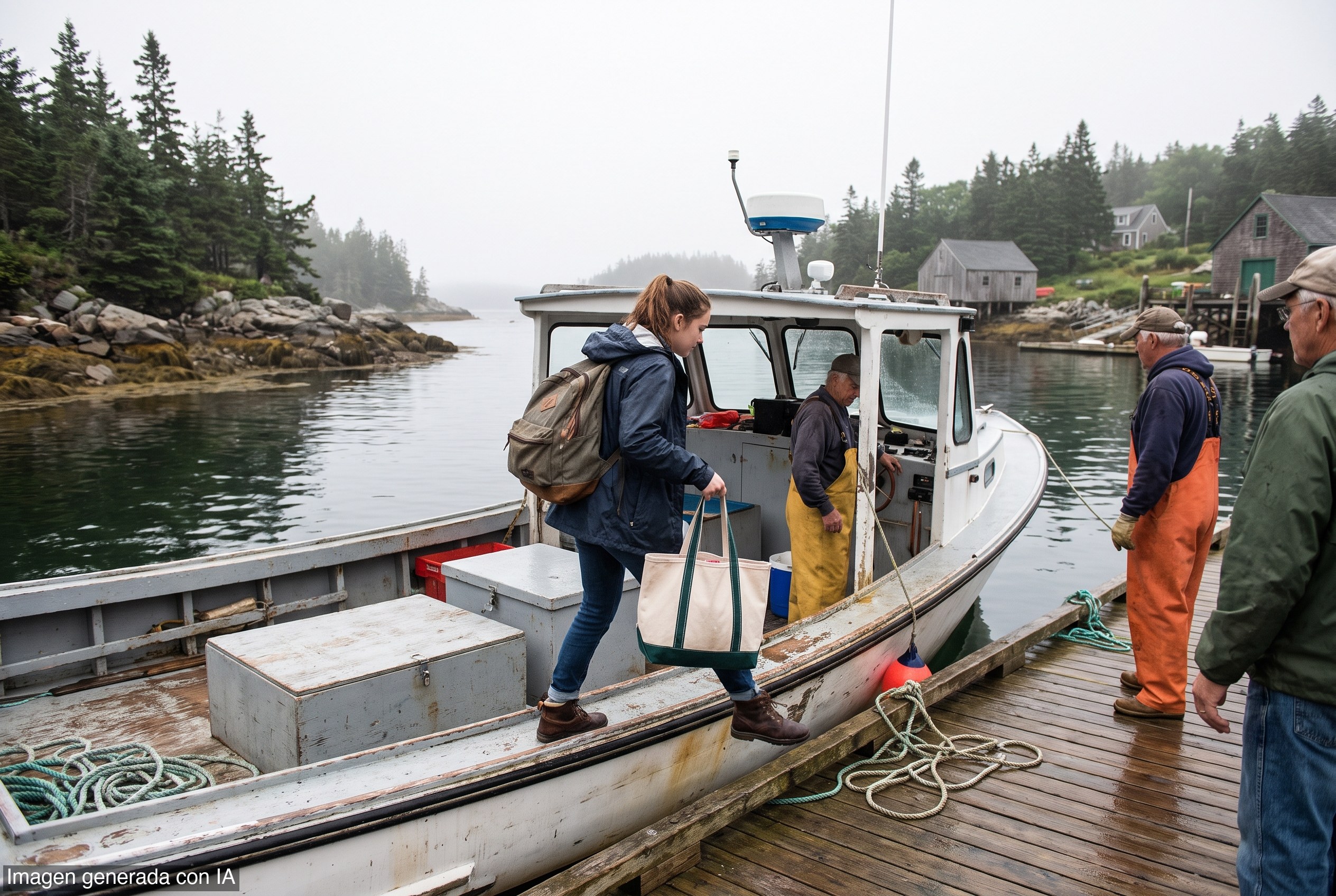
A teenager in Maine took a summer job on a small island, and the family had to build their schedule around a ferry ride, a 30-minute drive, and busy traffic in and out of Portland.
Her mother said the job meant more effort for both parents, but it also gave the teen a chance to work at a seafood place off the coast of Maine. After the interview, she got the job and wanted to take it right away.
The family bought a ferry pass, and the daughter agreed to pay for half of her monthly pass from her paycheck. Because her mother drove her, she had to go in early. The arrangement was inconvenient, but it became the setting for a first work experience that brought more than a wage.
She earned her first paycheck, saved toward a car, and started making choices about what to keep in checking, what to spend each week, and what to save. Her mother said that watching her do that showed responsibility and gave her confidence to make her own decisions.
The teen also picked up more hours, made friends, and said she hoped to return next year. Her mother called the job a first glimpse of adulthood, and that is the real lesson here: a good first job is not just about income. It is about learning how to move from dependence to independence, one shift at a time.
For founders and operators, the playbook is familiar. Early responsibility changes behavior faster than speeches do. Give people real stakes, and they start learning the habits that compound: showing up, managing cash, and making decisions with tradeoffs in mind.
That is why first jobs matter so much, even when they are inconvenient. The cost in time was real for the family. But the return was bigger than comfort. It was capability, confidence, and a preview of adult life.


