Training hard means eating well, and eating well shouldn't mean overspending. A competitive swimmer who follows a high-protein diet has built a weekly routine around items he buys at Costco, and his list offers a practical playbook for anyone who needs to hit protein targets without a lot of prep time.
Here's the playbook. Start with snacks and lunches that won't weigh you down before practice. He points to West End Cuisine grilled-chicken skewers, which deliver 24 grams of protein per serving and are gluten- and preservative-free. He likes that they don't leave him too full to get back in the pool.
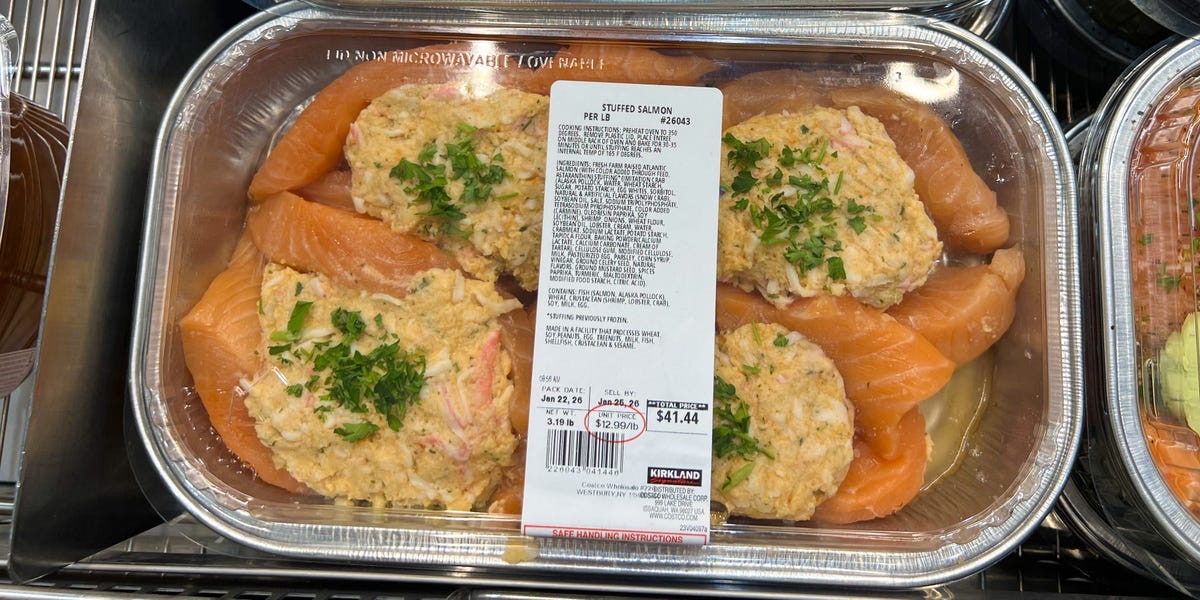
For dinner, the lineup gets heavier. Kirkland Signature stuffed peppers, filled with beef, rice and cheese, are his favorite and work as both a post-workout meal and a next-day lunch. The Kirkland Signature chicken Alfredo, which he says tastes like restaurant food, and a stuffed salmon with imitation crabmeat round out the rotation. He pairs the salmon with fresh vegetables or rice.
For taco night, he reaches for the Kirkland Signature chicken street-taco kit, which he says is loaded with protein, and he adds his own toppings and salsa. Batch cooking matters here too: a family member who loves to cook relies on Rastelli's grass-fed ground beef for burgers, tacos and stir fry. The household buys three or four packs at a time and keeps them in the freezer.
The Kirkland Signature beef shank is the last piece of the system. It goes into a slow cooker for a low-effort meal that comes out tender and flavorful, and it works well with potatoes and vegetables.
The math is simple. Buying proteins in bulk and freezing portions lowers the cost per meal and cuts down on trips to the store. Prepared items like skewers and stuffed peppers save time on nights when training runs late. Founders who manage their own schedules know that the same logic applies to operations: standardize the routine, stock the essentials, and reduce the decisions you have to make on a tired day.
If you're trying this yourself, start smaller than you think. Pick two or three staples, track how often you actually eat them, and expand only what you finish. Your grocery bill and your energy levels will tell you whether the playbook is working.


